

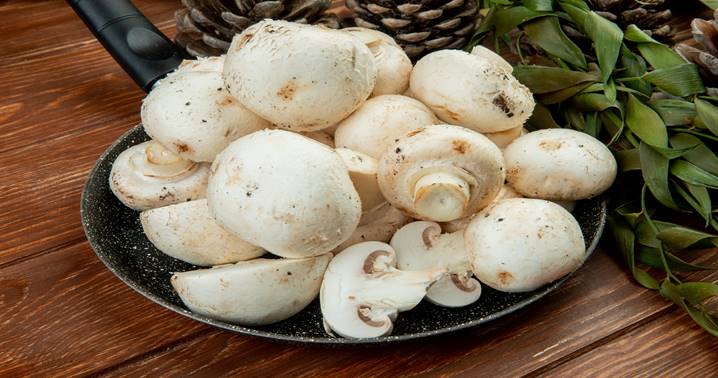
Mushrooms: A Fungus With Powerful Health Benefits
Mushrooms are technically fungi, not vegetables, but nutritionally, they function like a superfood. From common white button mushrooms to shiitake, oyster, maitake, and lion’s mane, these edible fungi provide essential nutrients and bioactive compounds linked to multiple health benefits.
Low in calories, fat-free, cholesterol-free, and naturally rich in antioxidants, fibre, and the B vitamin complex, mushrooms are increasingly recognised for their role in immune support, heart health, cholesterol control, gut balance, brain function, and weight management. Modern medical research continues to validate what traditional medicine systems have long suggested: mushrooms are more than just a flavorful ingredient; they are functional foods with a huge number of health effects.
1. Mushrooms May Boost the Immune System
One of the most well-established benefits of mushrooms is immune support. Mushrooms contain beta-glucans, naturally occurring polysaccharides that help regulate immune responses.
The journal Nutrients, in research by Vetvicka and colleagues, explains that beta-glucans enhance the activity of macrophages and natural killer (NK) cells. These immune cells help detect and destroy harmful pathogens, including viruses and bacteria. Shiitake mushrooms contain lentinan, a specific beta-glucan studied for its immune-modulating properties. The Journal of the American College of Nutrition, in research by Dai et al., found that regular shiitake intake improved immune markers and reduced inflammatory indicators in healthy adults.
Additionally, mushrooms contain selenium and vitamin D (if UV-exposed), both of which are important for maintaining a balanced immune response.

2. Mushrooms Support Heart Health
Heart disease remains one of the leading causes of death globally, and diet plays a key preventive role. Mushrooms support cardiovascular health in several ways. They are naturally free of cholesterol and low in sodium. Replacing high-fat meats with mushrooms can reduce overall saturated fat intake, which may lower cardiovascular risk.
The journal Food & Function highlights that mushrooms contain ergothioneine, a potent antioxidant that may protect blood vessels from oxidative stress. Oxidative damage to blood vessels contributes to atherosclerosis and heart disease. Mushrooms are also a source of potassium, a mineral that helps regulate blood pressure by balancing sodium levels in the body. Regular inclusion of mushrooms aligns with heart-healthy dietary patterns recommended by global nutrition guidelines.
3. Mushrooms Are Rich in Antioxidants
Antioxidants help protect cells from free radical damage, which contributes to aging and chronic diseases. Mushrooms are among the richest dietary sources of ergothioneine and glutathione.
The journal Food Chemistry, through research by Dubost and coauthors, identified mushrooms as a significant source of ergothioneine, a unique antioxidant that remains stable even after cooking. This compound helps reduce oxidative stress and inflammation. Glutathione, often referred to as the body’s “master antioxidant,” also occurs naturally in mushrooms. Together, these antioxidants may reduce the risk of chronic conditions linked to oxidative damage, including cardiovascular disease and cognitive decline.

4. Mushrooms Provide Vitamin D
Vitamin D is essential for bone health, immune regulation, and inflammation control. Unlike most plant foods, mushrooms can naturally produce vitamin D when exposed to sunlight or ultraviolet light. The journal Dermato-Endocrinology, in research by Holick, emphasizes the importance of adequate vitamin D intake for maintaining bone density and immune health. UV-exposed mushrooms provide vitamin D2, making them one of the few plant-based dietary sources of this nutrient. This is especially important for vegetarians, vegans, and individuals with limited sun exposure, who may be at higher risk of deficiency.
5. Mushrooms May Help Maintain Brain Health
Emerging research suggests mushrooms may protect cognitive function as we age. The Journal of Alzheimer’s Disease, in a study by Feng and coauthors, reported that older adults who consumed mushrooms regularly had a lower risk of mild cognitive impairment. Researchers believe ergothioneine may play a neuroprotective role by reducing oxidative stress in brain tissue.
Lion’s mane mushroom has also gained scientific interest. The journal Biomedical Research, in research by Mori and coauthors, found that lion’s mane supplementation improved cognitive performance in older adults with mild memory complaints.
6. Mushrooms May Help Lower Cholesterol
High LDL (“bad”) cholesterol increases the risk of heart disease. Mushrooms contain soluble fiber and compounds that may help improve cholesterol levels. The International Journal of Medicinal Mushrooms, in research by Wasser, explains that mushroom polysaccharides can bind bile acids in the digestive tract, potentially reducing cholesterol absorption.

7. Mushrooms Support Gut Health
A healthy gut microbiome plays a central role in digestion, immunity, and inflammation control. Mushrooms contain prebiotic fibers that nourish beneficial gut bacteria.
The journal Nutrients, in research by Valverde and coauthors, reports that mushroom polysaccharides promote the growth of Bifidobacteria and Lactobacilli. These bacteria help produce short-chain fatty acids that strengthen the intestinal lining and reduce inflammation. Beta-glucans in mushrooms also support bowel regularity and digestive comfort. Including mushrooms in the diet may contribute to a more balanced and resilient gut microbiome.
8. Mushrooms May Help With Weight Management
Mushrooms are low in calories but high in fiber and water content, making them filling and satisfying. The journal Appetite, in research by Cheskin and coauthors, found that replacing meat with mushrooms in meals reduced calorie intake without increasing hunger. Participants maintained satiety while lowering fat consumption.

9. Mushrooms Help Support Energy Production
While mushrooms don’t act as stimulants like caffeine, they support energy production at the cellular level. They are rich in B vitamins such as riboflavin, niacin, and pantothenic acid, which are essential for converting food into usable energy. The journal Nutrients explains that B vitamins play a central role in mitochondrial function, the process by which cells generate energy. Mushrooms also contain iron and copper, which support oxygen transport in the bloodstream. Adequate oxygen delivery is crucial for maintaining steady energy levels.
Bottom Line
Mushrooms are nutrient-dense fungi with a wide range of health benefits supported by scientific research. They may strengthen immune defenses, protect heart health, lower cholesterol, support gut balance, improve cognitive function, assist with weight management, provide vitamin D, and contribute to sustained energy. Incorporating mushrooms into a balanced diet offers a simple and natural way to support overall health.
References
- Dai, X and coauthors (2015). Consumption of Lentinula edodes (shiitake mushrooms) daily improves human immunity: A randomized dietary intervention study. Journal of the American College of Nutrition.
- Dubost, N. J., and coauthors (2007). Quantification of polyphenols and ergothioneine in cultivated mushrooms and correlation to total antioxidant capacity. Food Chemistry.
- Feng, L., and coauthors (2019). The association between mushroom consumption and mild cognitive impairment: A community-based cross-sectional study in Singapore. Journal of Alzheimer’s Disease.
- Holick, M. F. (2008). Vitamin D deficiency. Dermato-Endocrinology.
- Cheskin, L. J., and coauthors (2015). Weight loss and satiety in overweight adults consuming mushrooms as a substitute for meat. Appetite.
- Valverde, M. E., and coauthors (2015). Edible mushrooms: Improving human health and promoting quality life. International Journal of Microbiology.
- Vetvicka, V., and coauthors (2019). Beta-glucan: Supplement or drug? From laboratory to clinical trials. Nutrients.
- Wasser, S. P. (2014). Medicinal mushroom science: Current perspectives, advances, evidence, and challenges. International Journal of Medicinal Mushrooms.
- Mori, K., and coauthors (2009). Improving effects of the mushroom Yamabushitake (Hericium erinaceus) on mild cognitive impairment. Biomedical Research.