

Psoriasis is more than a skin condition. It can affect how you feel about yourself, how you interact with others, and how confident you are in social situations. If you have visible plaques on your hands, face, or scalp, you may worry about what people think. You might avoid short sleeves, swimming pools, handshakes, or even dating.
The truth is that psoriasis is common, medically understood, and treatable. But the emotional side often gets less attention. Here’s what you need to know about managing social embarrassment while living with psoriasis and how to build lasting confidence.

Why Psoriasis is Not “Just a Skin Problem”
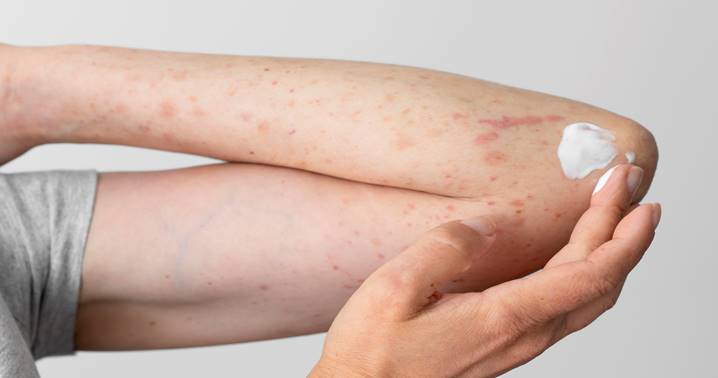
Psoriasis is a chronic autoimmune disease that causes skin cells to multiply too quickly. This leads to thick, red patches covered with silvery scales. It is not contagious, and it is not caused by poor hygiene.
According to research published in The New England Journal of Medicine, Lowes and colleagues (2014) explain that psoriasis develops due to immune system overactivity involving inflammatory pathways such as tumor necrosis factor (TNF-α) and interleukin-17. That means it’s a medical condition, not something you “caught” or caused yourself. Understanding this can help you feel more confident when explaining it to others.
Why Psoriasis Can Feel So Embarrassing
Visible skin changes naturally draw attention. Even if people aren’t judging you, you may assume they are. This feeling is sometimes called “felt stigma” when you expect rejection or negative reactions, even in the absence of clear evidence.
Research in the British Journal of Dermatology by Kimball and coauthors (2012) found that people with moderate to severe psoriasis have higher rates of anxiety and depression compared to those without the condition. Social withdrawal and low self-esteem are common.
Common worries include:
- “Are they staring at my skin?”
- “Do they think it’s contagious?”
- “Will this affect my relationship or job?”

Start With Education: A Simple Explanation Goes a Long Way
Many awkward moments happen because people don’t understand psoriasis. A short, calm explanation can ease tension.
You might say, “It’s an autoimmune condition. It’s not contagious it just affects my skin.”
Keeping it simple prevents overexplaining. Most people respond with understanding once they know it’s not infectious. Research in the Journal of the American Academy of Dermatology by Rapp and coauthors (1999) showed that patient education improves quality of life in psoriasis. When you understand your condition, you’re more likely to speak about it confidently.
Manage Stress – Psoriasis Affects Both Your Skin and Confidence
Stress is one of the most common triggers for psoriasis flare-ups. It can also increase social anxiety. In Archives of Dermatology, Koo and Lebwohl (2001) described the close relationship between psychological stress and psoriasis severity. When stress rises, inflammation can worsen, which may increase visible plaques. Lower stress levels can mean fewer flares and fewer reasons to feel self-conscious.
Stress management tools that help both skin and mood include:
- Deep breathing exercises
- Meditation or mindfulness
- Regular physical activity
- Consistent sleep schedule
- Yoga or stretching
Improve Skin Quality to Boost Social Comfort
While emotional coping matters, medical treatment also plays a key role. Better skin control, texture, and glow often lead to improved confidence. Treatment options may include:
Topical treatments: Corticosteroids, vitamin D analogues, or other prescription creams.
Phototherapy: Controlled exposure to ultraviolet light under medical supervision.
Systemic treatments or biologics: Newer medications target specific immune pathways like IL-17 and IL-23.
In The Lancet, Griffiths and coauthors (2017) reported that biologic therapies significantly improve both skin clearance and patient quality-of-life scores. If embarrassment is affecting your daily life, talk with your dermatologist about whether your current treatment plan is working well enough.
Change the Way You Think About Social Situations
Sometimes, the biggest challenge isn’t what others think, it’s what you think they think. Cognitive behavioral therapy (CBT) techniques can help identify and challenge negative thoughts. For example:
Instead of thinking, “Everyone is staring at my arms.” Try: “Most people are focused on themselves.”
Research in the Journal of Psychosomatic Research by Fortune and coauthors (2004) found that CBT-based approaches can reduce psoriasis-related distress and improve social functioning. You may not be able to control psoriasis completely, but you can learn to control how you respond to it.
Dating and Relationships: Talking Openly Helps
Psoriasis can feel especially embarrassing in romantic situations. You may worry about intimacy or rejection. Open communication can make a big difference. Research published in the Journal of the European Academy of Dermatology and Venereology by Sampogna and coauthors (2007) showed that relationship satisfaction improves when partners understand the condition.
Tips for conversations:
- Choose a relaxed moment to explain.
- Emphasize that psoriasis is not contagious.
- Share how it makes you feel emotionally.
- Encourage questions.
At Work: Focus on Performance, Not Appearance
Workplace concerns may include visible plaques or fear of discrimination. In most professional environments, job performance matters far more than appearance. If necessary, you can:
- Inform HR about your condition.
- Request reasonable accommodations during severe flares.
- Provide educational information if coworkers ask questions.
Find Support From Others Who Understand
You don’t have to manage psoriasis alone. Support groups, whether in person or online, can reduce feelings of isolation. Talking with others who have psoriasis helps normalize your experience. It also provides practical coping strategies and emotional reassurance. Mental health counseling can also be beneficial if embarrassment leads to avoidance, depression, or persistent anxiety.
Watch for Signs of Depression
If embarrassment turns into ongoing sadness, loss of interest in activities, or social withdrawal, it may signal depression. According to research in World Psychiatry by Parisi and coauthors (2013), people with psoriasis have higher rates of psychiatric conditions compared to the general population. Treating mental health is just as important as treating your skin.
Seek professional help if you notice:
- Persistent low mood
- Sleep problems
- Loss of energy
- Feelings of hopelessness
Build Confidence Beyond Your Skin
Psoriasis is one part of your life, not your identity. Confidence grows when you invest in areas of life that reinforce your self-worth.
Focus on:
- Career achievements
- Personal strengths
- Hobbies and interests
- Physical fitness
- Meaningful relationships
Bottom Line
Psoriasis can feel socially embarrassing, especially when lesions are visible. But it is a medically recognized autoimmune disease, not a reflection of hygiene or personal failure. Education reduces stigma. Effective treatment improves quality of life. Stress management lowers flares. And psychological tools help reshape negative thoughts. With the right combination of medical care, emotional support, and practical strategies, you can manage social situations confidently and live fully without letting psoriasis define you.