

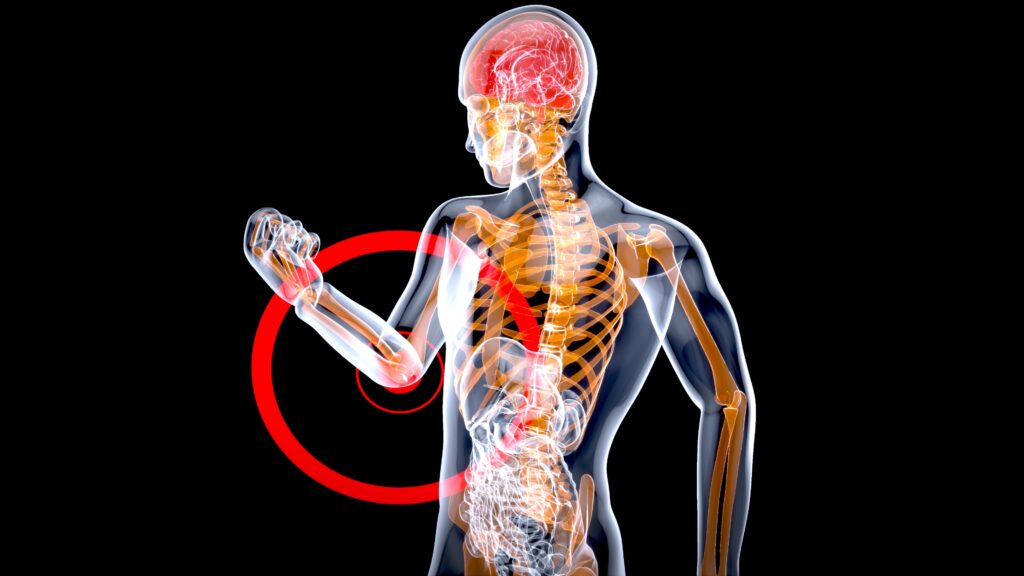
What Is Arthritis?
Arthritis is among the most common chronic conditions worldwide and a leading cause of pain and disability. While pharmacological therapies remain central to management, growing evidence suggests that dietary patterns can influence inflammatory pathways, metabolic health, and joint outcomes. Nutritional strategies do not replace medical treatment, but they may complement it meaningfully.
Arthritis is not a single disease. It encompasses more than 100 joint-related disorders characterized by pain, stiffness, swelling, and reduced mobility.
The most common types include:
Osteoarthritis (OA): A degenerative joint disease involving progressive cartilage breakdown and subchondral bone remodeling. Historically considered “wear-and-tear,” OA is now understood to involve low-grade inflammation and metabolic factors (The Lancet Commission on OA).
Rheumatoid Arthritis (RA): A systemic autoimmune disorder in which the immune system attacks synovial tissue. RA involves chronic inflammation driven by cytokines such as TNF-α, IL-6, and IL-1β. Research published in journals from Oxford and Wiley highlights the central role of immune dysregulation.
Gout: An inflammatory arthritis caused by monosodium urate crystal deposition in joints due to hyperuricemia. Dietary purines, alcohol intake, and metabolic syndrome significantly influence risk.
Across these conditions, inflammation local or systemic plays a critical role. This is where diet becomes relevant.
The Link Between Diet and Inflammation
Chronic inflammation is mediated through complex immunological and metabolic pathways. Dietary components influence:
- Cytokine production
- Oxidative stress
- Gut microbiome composition
- Insulin sensitivity
- Body weight and adipokines
Systematic reviews published in Frontiers in Nutrition and MDPI Nutrients suggest that dietary patterns rich in plant-based foods and unsaturated fats are associated with lower C-reactive protein (CRP) levels and improved inflammatory profiles. Adipose tissue itself is metabolically active. Excess body weight increases pro-inflammatory mediators such as leptin and TNF-α. Research studies consistently demonstrate that weight reduction improves joint pain and function, particularly in knee osteoarthritis. Thus, nutrition influences arthritis through both direct immunomodulatory mechanisms and indirect metabolic pathways.

What to Eat for Arthritis Relief
1. Fatty Fish (Omega-3 Rich Foods)
Fatty fish such as salmon, sardines, and mackerel are rich in EPA and DHA long-chain omega-3 fatty acids. Randomized controlled trials published in PubMed-indexed journals show that omega-3 supplementation can reduce morning stiffness and joint tenderness in rheumatoid arthritis. A Cochrane-style review published via Wiley found modest but clinically relevant reductions in NSAID use among RA patients consuming omega-3. Mechanistically, omega-3 fatty acids compete with arachidonic acid, reducing pro-inflammatory eicosanoid production.
Recommendation: Two servings of fatty fish weekly, unless contraindicated.
2. Fruits and Vegetables
Fruits and vegetables provide antioxidants (vitamin C, carotenoids, flavonoids) that counter oxidative stress a contributor to cartilage degradation and immune activation. Large observational cohorts reported in The Lancet Rheumatology suggest diets high in plant foods correlate with reduced inflammatory markers. Vitamin C intake, studied extensively in osteoarthritis research, supports collagen synthesis and may protect cartilage integrity.
Leafy greens, berries, cruciferous vegetables, and citrus fruits are particularly nutrient-dense choices.
3. Extra-Virgin Olive Oil
Extra-virgin olive oil (EVOO) is a key component of the Mediterranean diet. It contains oleocanthal, a phenolic compound shown in laboratory studies to inhibit cyclooxygenase (COX) enzymes, similar to mild NSAID action. Clinical trials cited in MDPI Nutrients and ScienceDirect indicate that Mediterranean-style diets rich in olive oil improve disease activity scores in rheumatoid arthritis patients.
Replacing saturated fats with monounsaturated fats supports cardiovascular health important because RA increases cardiovascular risk.
4. Whole Grains
Whole grains such as oats, brown rice, and barley are rich in fiber, which influences gut microbiota composition. Emerging evidence from Frontiers in Immunology suggests the gut microbiome plays a role in autoimmune diseases like RA. Fiber fermentation produces short-chain fatty acids (SCFAs), which have anti-inflammatory properties.
Refined grains lack this benefit and may promote glycemic spikes that worsen inflammation.
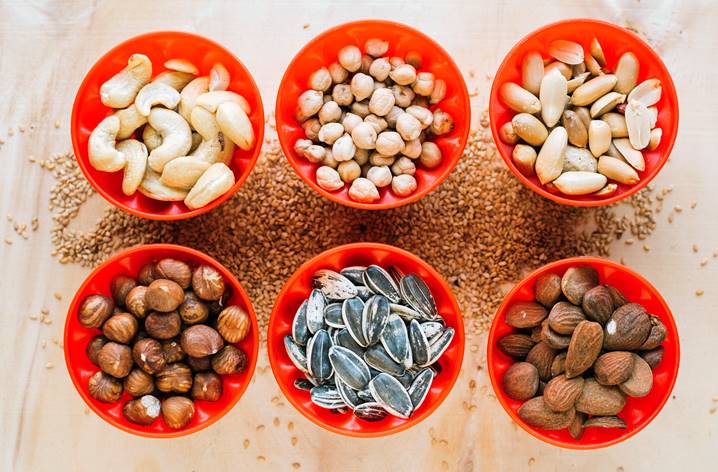
5. Nuts, Seeds, and Legumes
Walnuts, almonds, flaxseeds, lentils, and chickpeas provide:
- Plant protein
- Magnesium
- Polyphenols
- Alpha-linolenic acid (ALA)
Prospective cohort studies in journals published by Elsevier associate higher nut consumption with lower inflammatory biomarkers and improved metabolic profiles.
Plant-based protein may also reduce intake of red and processed meats, which are linked to inflammation in several epidemiological analyses.
6. Spices with Anti-Inflammatory Properties
Turmeric (curcumin) and ginger have been evaluated in small clinical trials. Meta-analyses indexed in PubMed and published in MDPI indicate curcumin supplementation may modestly improve knee osteoarthritis pain scores. Ginger extracts have shown mild reductions in inflammatory markers in select studies. These should be viewed as adjunctive, not primary therapies.
What to Avoid If You Have Arthritis
1. Added Sugars
High sugar intake promotes insulin resistance and increased CRP levels. Observational data from large cohorts suggest sugary beverages are associated with higher risk of inflammatory arthritis in women.
Excess sugar also contributes to obesity, a major modifiable risk factor for osteoarthritis.
2. Refined Carbohydrates
White bread, pastries, and ultra-processed grains cause rapid glucose spikes. Glycation end-products and oxidative stress are implicated in cartilage degeneration, as discussed in Springer publications.
Replacing refined grains with whole grains supports metabolic stability.
3. Processed and Fried Foods
Ultra-processed foods are high in trans fats, sodium, and advanced glycation end products (AGEs). AGEs promote oxidative stress and inflammatory signaling pathways. Research in Frontiers highlights the association between processed food consumption and chronic inflammatory diseases.
4. Excess Red and Processed Meats
Processed meats are associated with systemic inflammation and increased cardiovascular risk. Although direct causality in arthritis progression is still debated, reducing processed meat intake aligns with anti-inflammatory dietary patterns and cardiometabolic health.
5. Alcohol (In Excess)
Moderate alcohol intake shows mixed evidence in RA. However, excessive alcohol:
- Increases gout risk
- Interacts with methotrexate
- Promotes liver stress
For gout specifically, beer and spirits significantly increase flare risk, as demonstrated in epidemiological studies published in Annals of the Rheumatic Diseases.

The Mediterranean Diet: A Research-Backed Approach
Among dietary patterns studied, the Mediterranean diet has the strongest evidence base for inflammatory conditions.
It emphasizes:
- Vegetables and fruits
- Whole grains
- Olive oil
- Fish
- Legumes
- Limited red meat
A landmark randomized trial published in The Lancet demonstrated that Mediterranean dietary patterns reduce systemic inflammation and cardiometabolic risk. In rheumatoid arthritis, controlled trials published via Oxford Academic and Wiley report improvements in DAS28 scores and physical function. Rather than focusing on isolated nutrients, this pattern supports holistic inflammatory modulation.
Special Considerations by Type
Rheumatoid Arthritis
RA is immune-mediated. Omega-3 supplementation and Mediterranean-style diets show the most consistent benefit. Emerging research from Frontiers in Immunology explores microbiome-targeted nutrition as a future strategy, though evidence remains preliminary. Patients should coordinate dietary changes with rheumatologists, particularly if taking immunosuppressive therapy.
Osteoarthritis
Weight reduction remains one of the most effective non-pharmacologic strategies. Studies in The Lancet and Arthritis & Rheumatology show that even 5–10% weight loss significantly reduces knee pain. Dietary strategies that support caloric balance and metabolic health are central.
Gout
Gout management is strongly diet-dependent.
Avoid:
- Organ meats
- Anchovies and sardines (in excess)
- Beer and spirits
- High-fructose corn syrup
Low-fat dairy products and coffee have been associated with lower gout risk in cohort studies. Hydration is critical to reduce urate crystallization.
Bottom Line
Arthritis management requires a multidimensional approach medication, movement, weight control, and increasingly, nutrition. Current evidence from high-quality journals across The Lancet, Wiley, Springer, MDPI, Frontiers, and other PubMed-indexed sources supports:
- Emphasizing anti-inflammatory dietary patterns
- Prioritizing plant foods and omega-3-rich fish
- Limiting ultra-processed foods and added sugars
- Maintaining a healthy body weight
Diet does not cure arthritis. However, when integrated thoughtfully with medical care, it may reduce inflammatory burden, improve symptom control, and enhance long-term health outcomes. Before making major dietary changes, consult a healthcare professional or registered dietitian especially if you are taking disease-modifying medications. Sustainable, evidence-based changes not restrictive extremes offer the greatest potential benefit for joint health and overall well-being.