

Mental and emotional wellness in women is closely tied to hormonal balance, nutritional status, stress response, sleep quality, and life-stage transitions. From PMS-related mood swings to postpartum emotional shifts and menopausal anxiety, women experience unique biological fluctuations that influence brain chemistry.
Scientific evidence increasingly shows that targeted supplementation when combined with lifestyle modification may support stress resilience, sleep regulation, cognitive function, and mood stability. However, supplements are supportive tools, not replacements for professional mental health care.
Understanding Feminine Health & Key Nutritional Needs
Hormonal Fluctuations and Brain Chemistry
Estrogen and progesterone interact directly with neurotransmitters such as serotonin, dopamine, and GABA. Estrogen enhances serotonin synthesis and receptor sensitivity, which explains why mood changes may occur during menstruation, postpartum periods, and menopause.
The Journal of Psychiatry & Neuroscience explains that fluctuations in ovarian hormones significantly affect mood regulation and vulnerability to anxiety and depressive symptoms in women.
Stress Physiology and Cortisol Regulation
Women often experience higher perceived stress levels due to multitasking roles and social expectations. Chronic stress activates the hypothalamic-pituitary-adrenal (HPA) axis, leading to elevated cortisol levels, disrupted sleep, and mood instability.
The Endocrine Reviews, McEwen BS, highlights how chronic cortisol dysregulation contributes to anxiety, sleep disturbances, and impaired emotional processing.
Nutrient Deficiencies and Emotional Health
Iron deficiency, low vitamin D, magnesium insufficiency, and omega-3 imbalance have all been linked to fatigue, irritability, and depressive symptoms. Women are particularly vulnerable due to menstruation, pregnancy, and dietary restrictions.
Therefore, targeted supplementation may help address biological contributors to emotional imbalance.

Supplements for Mental and Emotional Wellness
1. Ashwagandha (Withania somnifera)
Adaptogenic Stress Support
Ashwagandha is classified as an adaptogen, meaning it helps the body adapt to stress by regulating cortisol levels. The Indian Journal of Psychological Medicine, Chandrasekhar, and coauthors reported that high-concentration Ashwagandha extract significantly reduced cortisol levels and improved stress scores compared to placebo.
Anxiety and Sleep Benefits
The Journal of Clinical Psychopharmacology, Lopresti, and coauthors found that Ashwagandha supplementation improved anxiety symptoms and reduced insomnia in stressed adults. For women experiencing PMS-related irritability, work stress, or perimenopausal anxiety, Ashwagandha may help stabilize stress responses and improve emotional resilience.
Mechanism of Action
- Modulates HPA axis
- Reduces cortisol
- Enhances GABA signaling
- Supports thyroid balance (important in women)
2. Shatavari (Asparagus racemosus)
Hormonal and Emotional Support
Shatavari is traditionally used in Ayurveda as a female reproductive tonic. It contains phytoestrogenic compounds that may support hormonal balance. The Journal of Ethnopharmacology, by Alok and coauthors, describes Shatavari’s adaptogenic and hormone-modulating properties, particularly relevant for reproductive-age and menopausal women.
Mood Stability During Hormonal Transitions
Perimenopause and menopause are associated with declining estrogen levels, which can influence serotonin activity. The Menopause Review, Gupta & Shaw, suggests that herbal phytoestrogens may help alleviate mood swings and emotional instability in menopausal women. While more large-scale trials are needed, Shatavari may support emotional well-being during hormonal fluctuations.
Additional Benefits
- Supports reproductive health
- May enhance lactation
- Provides antioxidant protection
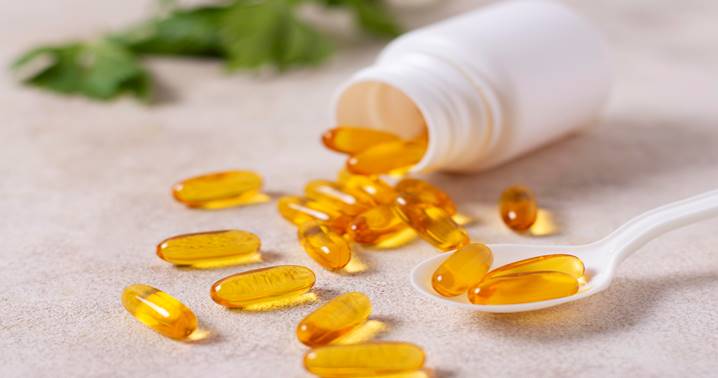
3. Omega-3 Fatty Acids and Mood
EPA, DHA, and Brain Health
Omega-3 fatty acids, especially EPA (eicosapentaenoic acid), play a critical role in neuronal membrane fluidity and anti-inflammatory signaling. The American Journal of Psychiatry, Freeman, and coauthors demonstrated that omega-3 supplementation improved depressive symptoms in women. The Translational Psychiatry reported that EPA-dominant formulations were more effective in reducing major depressive symptoms.
Postpartum and Perinatal Mood Support
Women are at increased risk of depression during pregnancy and postpartum. The Journal of Clinical Psychiatry found that omega-3 supplementation reduced depressive symptoms in pregnant women with major depression.
Anti-Inflammatory Mechanism
Chronic inflammation is increasingly linked to depression. The Biological Psychiatry, by Miller & Raison, explains how inflammatory cytokines can alter neurotransmitter metabolism and contribute to mood disorders. Omega-3s reduce inflammatory markers, potentially supporting emotional stability.
4. Magnesium and Sleep
Nervous System Regulation
Magnesium is essential for over 300 enzymatic reactions, including those regulating the nervous system. The Nutrients, Boyle, and coauthors reported that magnesium supplementation may reduce mild anxiety symptoms.
Sleep Quality and Emotional Stability
Poor sleep directly impacts mood regulation. The Journal of Research in Medical Sciences, Abbasi and coauthors, found that magnesium supplementation improved insomnia and sleep efficiency in older adults. Since sleep deprivation increases cortisol and emotional reactivity, magnesium’s calming effect may indirectly support emotional balance in women.
PMS Relief
Magnesium has also been studied for PMS-related mood symptoms. The Journal of Women’s Health, Walker, and coauthors demonstrated that magnesium supplementation reduced PMS-related mood changes and fluid retention.
When to Consider Women’s Supplements for Emotional Wellness
Supplementation may be considered when:
- Persistent fatigue or irritability is present
- PMS symptoms affect daily functioning
- Sleep disturbances occur regularly
- During postpartum recovery
- During perimenopause or menopause
- Laboratory-confirmed nutrient deficiencies
Women following vegetarian or restrictive diets may particularly benefit from omega-3, iron, vitamin B12, or magnesium supplementation.
However, supplementation should ideally be guided by laboratory assessment and professional consultation.
Safety Considerations and Professional Guidance
Avoid Over-Supplementation
Excessive intake can cause harm:
- High magnesium → diarrhea, hypotension
- Excess omega-3 → bleeding risk
- Ashwagandha → thyroid interaction
- Shatavari → caution in estrogen-sensitive conditions
Lifestyle Foundations That Enhance Supplement Effectiveness
Supplements work best alongside:
- Balanced diet rich in whole foods
- Regular physical activity
- Adequate sleep (7-9 hours)
- Mindfulness and stress management
- Social connection and emotional support
The Lancet Psychiatry Commission, Firth, and coauthors highlight that nutritional psychiatry supports dietary interventions as part of comprehensive mental health care.
Bottom Line
Feminine mental and emotional wellness is deeply interconnected with hormonal balance, stress regulation, sleep quality, and nutrient sufficiency. Evidence suggests that Ashwagandha may help regulate cortisol and stress response, Shatavari may support hormonal transitions, Omega-3 fatty acids contribute to mood stabilization through anti-inflammatory pathways, and Magnesium supports sleep and nervous system balance.