
In today’s competitive professional environment, success is not determined solely by qualifications, technical skills, or experience. Increasingly, personal presentation, communication, and confidence play critical roles in career advancement.
Among these factors, dental health, often overlooked, has a profound influence on professional image, self-esteem, and workplace interactions. A healthy smile is more than an aesthetic asset; it is a reflection of overall health, discipline, and self-care.
Understanding Dental Health
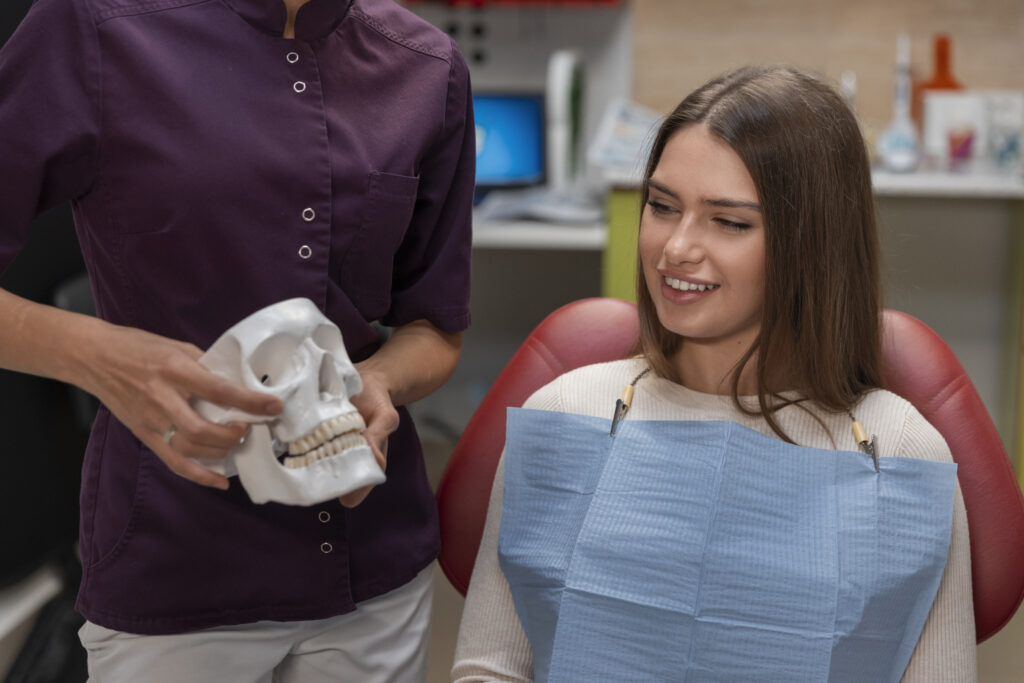
Dental health refers to the condition of teeth, gums, and the entire oral-facial system that enables essential functions such as speaking, chewing, and expressing emotions. It encompasses not only the absence of disease but also the maintenance of oral hygiene and structural integrity.
Common dental issues include:
- Dental caries (tooth decay)
- Periodontal disease (gum infections)
- Tooth loss
- Halitosis (bad breath)
These conditions are not merely medical concerns; they have significant social and professional implications.
The World Health Organization (WHO) highlights that oral diseases affect nearly 3.5 billion people globally, making them among the most prevalent health conditions. Poor oral health can impair speech clarity, facial aesthetics, and overall confidence, which are essential in professional settings.
First Impressions and Professional Image
The Power of a Smile in Professional Life
First impressions are formed within seconds, and appearance plays a pivotal role in shaping perceptions. A bright, healthy smile often signals confidence, approachability, and professionalism. Conversely, visible dental issues such as stained teeth, missing teeth, or gum problems can unintentionally create negative perceptions.
These may include assumptions about poor hygiene, lack of discipline, or even reduced competence. The Journal of Occupational Health Psychology suggests that physical appearance significantly influences hiring decisions and workplace evaluations. While skills remain crucial, presentation can be a deciding factor during interviews or client interactions.
Impact on Hiring and Promotions
Recruiters and employers often seek individuals who can represent their organization effectively. Professionals in client-facing roles such as sales, management, and consulting are particularly judged on their communication and presentation.
A confident smile enhances:
- Verbal communication
- Non-verbal cues
- Trustworthiness

Dental Health and Self-Confidence
Psychological Impact of Oral Health
Dental health has a direct influence on self-esteem. Individuals with healthy teeth are more likely to engage socially, speak confidently, and express themselves freely.
On the other hand, dental issues can cause:
- Social anxiety
- Reduced self-confidence
- Fear of judgment
Workplace Performance and Communication
Confidence is a cornerstone of career growth. Whether presenting ideas, negotiating deals, or leading teams, professionals rely heavily on clear communication and self-assurance.
Poor dental health can lead to:
- Hesitation in speaking
- Avoidance of meetings
- Reduced participation

Mental Health and Emotional Well-being
The Oral-Systemic Health Connection
Dental health is closely linked with mental health. Chronic oral conditions, such as gum disease or tooth pain, can lead to stress, irritability, and decreased quality of life. The International Dental Journal highlights that oral diseases can significantly impact emotional well-being, leading to anxiety and depression in severe cases.
Stress, Productivity, and Career Impact
Pain and discomfort caused by dental issues can reduce focus and productivity at work. Employees dealing with untreated dental problems often experience:
- Difficulty concentrating
- Increased absenteeism
- Lower work efficiency
Practical Tips to Maintain Dental Health for Professionals
Maintaining optimal dental health does not require complex routines but demands consistency and awareness.
Daily Oral Hygiene Practices
- Brush Twice Daily
Use fluoride toothpaste and brush for at least two minutes to remove plaque and prevent decay. - Floss Regularly
Flossing helps remove food particles and plaque between teeth, reducing the risk of gum disease. - Use Mouthwash
Antimicrobial mouthwash can help reduce bacteria and maintain fresh breath.
Professional Dental Care
- Schedule dental check-ups every 6 months
- Opt for professional cleaning and scaling
- Address dental issues early to prevent complications
Diet and Lifestyle
- Limit sugary foods and beverages
- Stay hydrated to maintain saliva production
- Avoid tobacco and excessive alcohol consumption
The American Journal of Clinical Nutrition emphasizes the role of diet in preventing dental caries and promoting oral health.
Workplace-Friendly Habits
- Keep a travel toothbrush or mouth freshener
- Stay hydrated during long meetings
- Avoid excessive coffee or tea that stains teeth
Bottom Line
Dental health is a critical yet often underestimated factor in career growth and professional success. A healthy smile enhances first impressions, boosts confidence, and supports effective communication, key elements in today’s competitive workplace. Ultimately, your smile is more than just a reflection in the mirror it is a powerful tool that can shape your professional journey and open doors to success.