

What Are Probiotics and Why It Matters for Gut Health?
Probiotics are live microorganisms that provide health benefits when consumed in adequate amounts. Often referred to as “good bacteria,” these microbes are increasingly used to support digestive health and overall well-being. In clinical practice, probiotics are not considered a cure-all solution. Instead, they are viewed as supportive therapies that can complement standard medical treatments. Scientific evidence shows that their effectiveness depends on the specific strain, dosage, and health condition being addressed.
Over the past decade, interest in probiotics has grown significantly due to a better understanding of the gut microbiome and its role in human health.
Understanding the Gut Microbiome and Its Role in Health
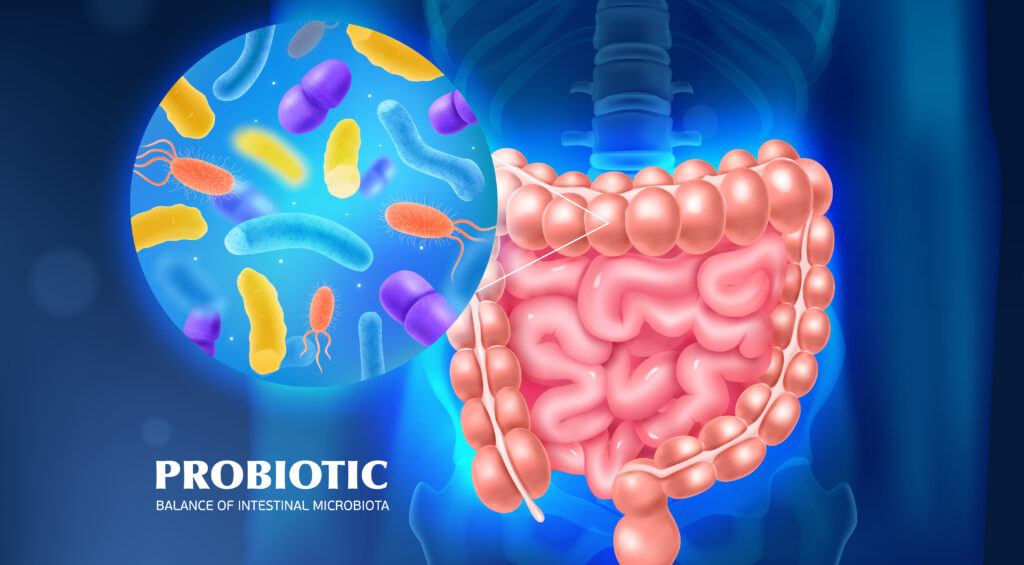
The human gut contains trillions of microorganisms collectively known as the microbiome. These microbes play a crucial role in digestion, nutrient absorption, and immune system regulation. In fact, the gut microbiome is so influential that it is often described as a “virtual organ.”
These microorganisms help produce essential nutrients such as B vitamins, vitamin K, and short-chain fatty acids. They also contribute to energy metabolism and immune development. Scientific findings suggest that gut bacteria may account for up to 10% of daily energy production and significantly influence inflammation and disease risk.
When the balance of these microbes is disrupted, a condition known as dysbiosis, it can lead to digestive disorders such as irritable bowel syndrome, inflammatory bowel disease, and antibiotic-associated diarrhea.
How Probiotics Work in the Body
Probiotics exert their effects through multiple biological pathways. One of their primary functions is to regulate immune responses, helping reduce inflammation in the gut. They also strengthen the intestinal barrier, preventing harmful pathogens from entering the bloodstream.
In addition, probiotics compete with harmful bacteria for nutrients and space, effectively reducing infection risk. They also contribute to metabolic processes by producing beneficial compounds that support gut and overall health. These combined actions explain why probiotics are being explored as therapeutic agents in several gastrointestinal conditions.
Probiotics for Digestive Disorders: What Does the Evidence Say?
1. Antibiotic-Associated Diarrhea
Antibiotics can disrupt the natural balance of gut bacteria, often resulting in diarrhea. Research indicates that probiotics can significantly reduce the incidence of antibiotic-associated diarrhea when taken during and after antibiotic therapy. In one clinical study, probiotic use reduced the rate of diarrhea from 44.1% to 15.5%, demonstrating a clear protective effect.
This makes probiotics one of the most evidence-supported interventions in this category.
2. Clostridium difficile Infection
Clostridium difficile infection is a serious condition linked to antibiotic use and gut microbiome disruption. While some studies suggest that probiotics may help reduce recurrence, the evidence remains inconsistent. Current clinical guidelines do not recommend probiotics as standard therapy for this condition due to insufficient and variable data.
3. Irritable Bowel Syndrome (IBS)
Irritable bowel syndrome is a chronic condition characterized by abdominal pain, bloating, and altered bowel habits. Emerging evidence suggests that probiotics may provide symptom relief in some patients. Certain strains, particularly Bifidobacterium infantis, have shown promise in reducing pain, bloating, and overall symptom severity.
However, results vary widely across studies, and long-term benefits are still unclear. While probiotics are not universally recommended for all IBS patients, a therapeutic trial may be considered, especially when conventional treatments are insufficient.

4. Ulcerative Colitis
Ulcerative colitis is an inflammatory bowel disease that affects the colon and rectum. Some probiotic formulations have demonstrated effectiveness in inducing remission, with results comparable to standard therapies like mesalamine in certain cases.
For instance, one study reported remission rates of 42.9% in patients using probiotics compared to 15.9% in those receiving placebo. However, evidence supporting their role in maintaining long-term remission remains limited.
5. Pouchitis
Pouchitis is a complication that can occur after surgical treatment for ulcerative colitis. In this condition, probiotics have shown consistent benefits. They can help prevent recurrence and maintain remission following antibiotic therapy. Clinical guidelines support their use in this specific scenario, making it one of the strongest indications for probiotic therapy.
6. Hepatic Encephalopathy
Hepatic encephalopathy is a neurological complication of advanced liver disease caused by toxin accumulation, particularly ammonia. Some studies indicate that probiotics may help reduce ammonia levels and improve cognitive function.
Despite these promising findings, current expert guidelines do not recommend routine probiotic use for this condition due to insufficient evidence and variability in study outcomes.
Are Probiotics Safe for Everyone?
For most healthy individuals, probiotics are considered safe and well-tolerated. Common side effects are mild and may include bloating, gas, or temporary digestive discomfort.
However, rare but serious complications have been reported, including bloodstream infections and fungal infections in vulnerable populations. A notable clinical trial also found increased mortality in patients with severe acute pancreatitis who received probiotics.
As a result, probiotics should be used cautiously in high-risk individuals, including those who are critically ill, immunocompromised, or have indwelling medical devices.
Limitations of Probiotic Therapy
While probiotics offer potential benefits, they also have important limitations. One of the key challenges is that their effects are strain-specific, meaning not all probiotics work for all conditions. Additionally, most studies show modest benefits rather than dramatic improvements. Another limitation is the lack of standardization across products, including differences in strains, dosages, and formulations. Many clinical trials are also short-term, leaving long-term safety and effectiveness uncertain.
These factors highlight the importance of evidence-based selection and realistic expectations when using probiotics.
How to Choose the Right Probiotic
Selecting the right probiotic requires careful consideration. It is important to choose products that contain clinically studied strains with proven benefits for specific conditions. Quality assurance, appropriate dosage (measured in colony-forming units), and product stability are also essential factors.
Consulting a healthcare professional is especially important for individuals with underlying health conditions or those taking multiple medications.
The Future of Probiotics in Medicine
Advances in microbiome research are opening new possibilities for probiotic therapy. Scientists are exploring personalized probiotics tailored to an individual’s unique microbiome profile. Emerging concepts such as “pharmabiotics” aim to develop targeted microbial therapies for specific diseases. Future applications may extend beyond digestive health to include metabolic disorders, mental health conditions, and immune-related diseases. These innovations could transform probiotics from general supplements into precision medical treatments.
Bottom Line
Probiotics are a promising but nuanced ingredient in modern healthcare. They can improve certain gastrointestinal conditions, particularly antibiotic-associated diarrhea and pouchitis, and may provide relief for some individuals with IBS or ulcerative colitis. However, their benefits are generally modest, strain-specific, and not universally applicable. Probiotics should be viewed as a complementary approach rather than a standalone treatment.