

Pregnancy is a time when nutrition becomes more critical than ever. Every food choice directly or indirectly influences maternal health and fetal development. Among the wide variety of fruits recommended for pregnant women, kiwi fruit stands out due to its exceptional nutrient density and functional health benefits.
Often referred to as a “superfruit,” kiwi provides essential vitamins, minerals, antioxidants, and fiber in a compact serving. Healthcare professionals frequently suggest incorporating kiwi into a balanced pregnancy diet because it supports fetal growth, boosts immunity, enhances iron absorption, and promotes digestive health.
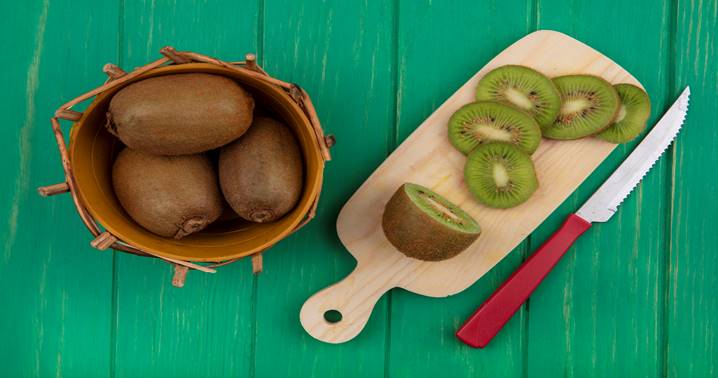
Nutritional Profile of Kiwi Fruit
Kiwi (scientifically known as Actinidia deliciosa) is a nutrient-rich fruit with a low glycemic index and high antioxidant capacity. One medium-sized kiwi (approximately 70-80 grams) provides:
- Vitamin C: ~70-90 mg
- Folate (Vitamin B9): ~17-25 mcg
- Dietary Fiber: ~2-3 grams
- Potassium: ~200-250 mg
- Vitamin K
- Vitamin E
- Copper
- Magnesium
- Natural antioxidants (polyphenols, carotenoids)
Why Kiwi Fruit Matters in Pregnancy
During pregnancy, requirements for folate, vitamin C, potassium, and fiber increase significantly. Kiwi naturally delivers these nutrients in bioavailable forms without added sugars or preservatives, making it a practical dietary choice.
According to global pregnancy nutrition guidelines, fruits high in folate, vitamin C, and fiber are strongly encouraged to reduce risks of neural tube defects, anemia, and digestive discomfort. Kiwi fulfills all three criteria efficiently.
Key Health Benefits of Kiwi During Pregnancy
1. Supports Fetal Development
One of the most important reasons kiwi is recommended during pregnancy is its contribution to fetal development. Kiwi naturally contains folate (vitamin B9), a critical nutrient required for proper neural tube formation during the early weeks of pregnancy.
Adequate folate intake reduces the risk of neural tube defects such as spina bifida and supports healthy brain and spinal cord development. Beyond neural protection, folate plays a key role in DNA synthesis and cell division, processes that occur rapidly as the fetus grows. In addition to folate, kiwi is exceptionally rich in vitamin C, which supports collagen production. Collagen is essential for the development of fetal skin, connective tissues, cartilage, and blood vessels.
Vitamin C also supports placental integrity, ensuring efficient nutrient and oxygen transfer from mother to baby. Together, these nutrients make kiwi a valuable complementary dietary source alongside prenatal supplementation for supporting optimal fetal growth.
2. Boosts Immunity
Pregnancy naturally modifies the immune system to tolerate the growing fetus, sometimes increasing susceptibility to infections. Kiwi is widely recognized for its high vitamin C content, often providing more than the daily recommended intake in a single serving.
Vitamin C enhances immune cell function, supports the activity of white blood cells, and helps the body respond effectively to infections. Additionally, kiwi contains vitamin E and various polyphenols that contribute to antioxidant defense.
These compounds reduce oxidative stress, which tends to increase during pregnancy due to higher metabolic demands. By supporting immune resilience and lowering inflammation, regular kiwi consumption can help protect maternal health, indirectly safeguarding fetal well-being as well.

3. Aids Digestion and Prevents Constipation
Digestive discomfort and constipation are among the most common pregnancy complaints, largely due to hormonal changes, iron supplementation, and reduced intestinal motility.
Kiwi offers a natural solution because it contains both soluble and insoluble dietary fiber. Soluble fiber absorbs water and softens stool, while insoluble fiber adds bulk and promotes bowel movement. This dual action helps maintain regularity without the need for harsh laxatives.
Moreover, kiwi contains a unique natural enzyme called actinidin, which assists in protein digestion and may improve overall gastrointestinal comfort. By supporting gut motility and microbiota balance, kiwi can reduce bloating, straining, and discomfort commonly experienced during pregnancy.
4. Helps in Iron Absorption
Iron requirements increase significantly during pregnancy due to expanded maternal blood volume and fetal iron needs. Iron deficiency anemia can lead to fatigue, weakness, and increased risk of complications if left unmanaged.
While kiwi itself is not extremely high in iron, it plays an important supportive role through its vitamin C content. Vitamin C enhances the absorption of non-heme iron from plant-based foods such as lentils, spinach, and beans. When kiwi is consumed alongside iron-rich meals or supplements, it improves iron bioavailability and helps the body utilize iron more efficiently.
This makes kiwi a strategic dietary addition for pregnant women, particularly those following vegetarian diets or those at risk of anemia.

5. Supports Heart Health and Blood Pressure
Maintaining stable blood pressure is crucial during pregnancy to reduce the risk of gestational hypertension and preeclampsia. Kiwi contains potassium, an essential mineral that helps regulate fluid balance and supports proper muscle and nerve function, including heart muscle activity.
Potassium counteracts the effects of sodium, thereby assisting in maintaining healthy blood pressure levels. In addition, kiwi’s antioxidants support vascular health by improving endothelial function and reducing oxidative stress within blood vessels. Healthy circulation ensures adequate oxygen and nutrient delivery to the placenta and fetus, contributing to overall pregnancy wellness.
6. Antioxidant Protection
Pregnancy increases oxidative stress due to rapid cellular growth and metabolic changes. Excess oxidative stress has been linked with pregnancy-related complications such as preeclampsia and gestational diabetes.
Kiwi is rich in antioxidants, including vitamin C, vitamin E, carotenoids, and polyphenols. These compounds neutralize free radicals and protect cells from oxidative damage. Antioxidants also support placental health and reduce inflammation. By incorporating antioxidant-rich fruits like kiwi into the daily diet, pregnant women can strengthen their body’s natural defense mechanisms and promote a healthier intrauterine environment.
7. Hydration and Electrolyte Balance
Proper hydration is essential during pregnancy to maintain amniotic fluid levels, support circulation, and reduce fatigue and swelling. Kiwi has a high water content, making it a refreshing hydrating fruit.
Along with water, it provides electrolytes such as potassium and magnesium, which help regulate fluid distribution and muscle function. This electrolyte balance supports overall maternal comfort and reduces the likelihood of muscle cramps and mild fluid retention. Including kiwi as part of daily fruit intake can therefore contribute to both hydration and micronutrient sufficiency.

Practical Ways to Include Kiwi Fruit in a Pregnancy Diet
- Fresh sliced kiwi as a snack
- Kiwi added to oatmeal or yogurt
- Kiwi-spinach smoothie for iron synergy
- Kiwi fruit salad with citrus and berries
- Chia pudding topped with kiwi
Maintaining variety ensures broader nutrient coverage and prevents monotony.
Bottom Line
Kiwi Fruit is suggested during pregnancy because it is a scientifically supported, nutrient-dense fruit that delivers multiple maternal and fetal health benefits. Its rich content of folate supports neural development, while vitamin C enhances immunity and iron absorption. Fiber and actinidin promote digestive health, potassium aids blood pressure regulation, and antioxidants provide protective effects against oxidative stress.
When consumed as part of a balanced diet and alongside prenatal supplementation, kiwi can be a valuable addition to pregnancy nutrition. For expecting mothers seeking natural, safe, and evidence-based dietary support, kiwi fruit is more than just a fruit; it is a functional food aligned with modern prenatal health guidelines.