

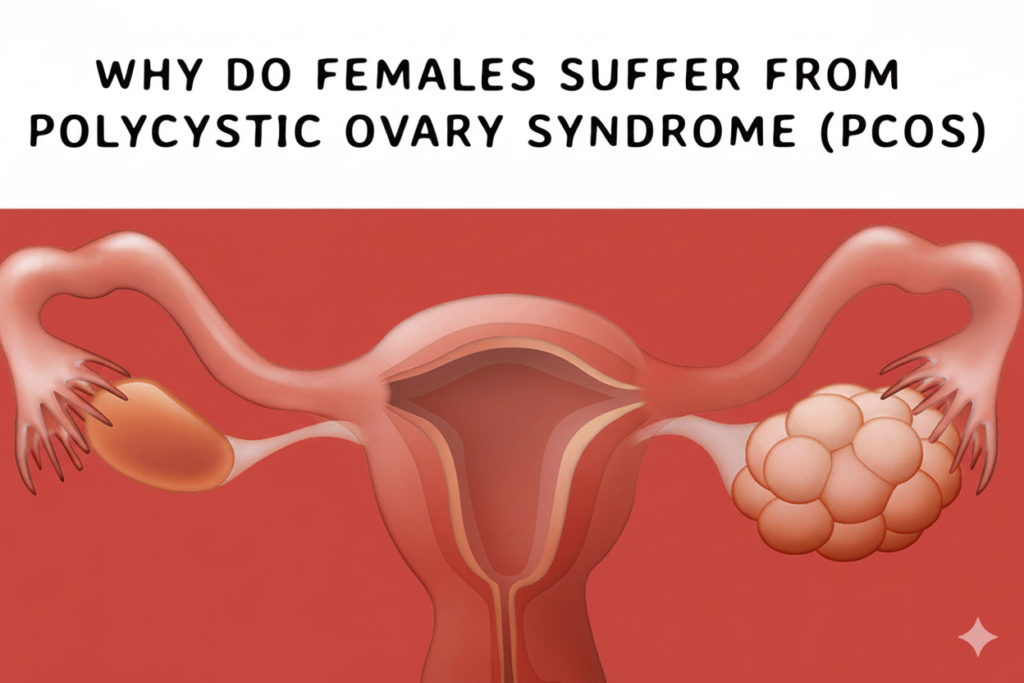
PCOS (Polycystic Ovary Syndrome) is one of the most common hormonal disorders affecting women of reproductive age. It is estimated that nearly 1 in 10 women globally suffer from PCOS, yet many remain undiagnosed due to a lack of awareness and variable symptoms. PCOS is not just a reproductive issue; it is a complex metabolic and endocrine condition that can significantly impact long-term health if not managed properly.
Women with PCOS may experience irregular menstrual cycles, excess androgen (male hormone) levels, and ovarian cysts. However, the condition manifests differently in each individual, making early diagnosis and personalized management crucial.
Causes and Risk Factors of PCOS
The exact cause of PCOS remains unclear, but it is widely accepted that multiple factors contribute to its development.
1. Insulin Resistance
Insulin resistance is considered a central feature of PCOS. In this condition, the body’s cells become less responsive to insulin, leading to elevated blood glucose levels. To compensate, the pancreas produces more insulin, which in turn stimulates the ovaries to produce excess androgens.
This hormonal imbalance can disrupt ovulation, leading to irregular periods and fertility issues. Insulin resistance also increases the risk of developing type 2 diabetes and obesity, both of which are commonly associated with PCOS.
2. Genetic Predisposition
PCOS often runs in families, suggesting a strong genetic component. Women with a mother or sister diagnosed with PCOS are more likely to develop the condition. Researchers believe that multiple genes involved in hormone regulation, insulin signaling, and inflammation may contribute to this hereditary risk.
3. Neuroendocrine Dysregulation
PCOS is also linked to dysfunction in the hypothalamic-pituitary-ovarian (HPO) axis. This system regulates hormone production and ovulation. In women with PCOS, there is often an imbalance in luteinizing hormone (LH) and follicle-stimulating hormone (FSH), leading to increased androgen production and impaired follicular development.
This neuroendocrine disruption contributes to irregular ovulation and the formation of small cysts in the ovaries.
4. Long-Term Health Risks
If left untreated, PCOS can lead to several chronic health conditions, including:
- Type 2 diabetes
- Cardiovascular disease
- Metabolic syndrome
- Endometrial hyperplasia and cancer
- Infertility
- Mental health disorders such as anxiety and depression
Understanding these risks highlights the importance of early intervention and consistent management.
Diagnosis of PCOS
Diagnosing PCOS can be challenging because symptoms vary widely. Healthcare providers typically use the Rotterdam Criteria, which require at least two of the following three features:
- Irregular or absent ovulation
- Clinical or biochemical signs of hyperandrogenism (e.g., acne, hirsutism)
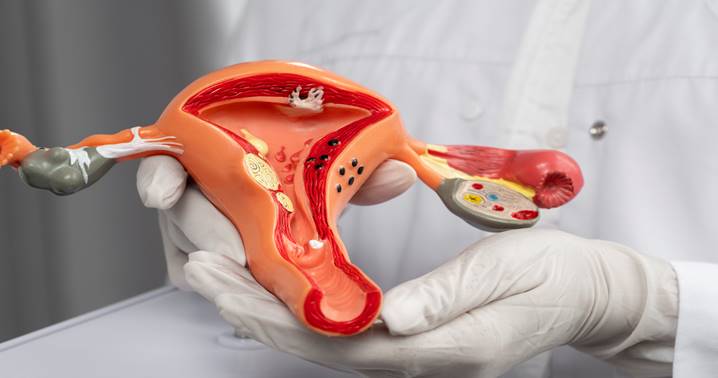
- Polycystic ovaries visible on ultrasound
In addition to these criteria, doctors may conduct:
- Blood tests to assess hormone levels (testosterone, LH, FSH)
- Glucose tolerance tests to evaluate insulin resistance
- Lipid profiles to check cardiovascular risk
It is also important to rule out other conditions such as thyroid disorders or adrenal hyperplasia that may mimic PCOS symptoms.
Management and Treatment of PCOS
There is no single cure for PCOS, but the condition can be effectively managed through a combination of lifestyle changes, medications, and supportive therapies.
1. Lifestyle Modification (First-Line Therapy)
Lifestyle intervention is the cornerstone of PCOS management and is often the first recommendation by healthcare professionals.
Dietary Changes
A balanced, low-glycemic diet helps regulate blood sugar levels and improve insulin sensitivity. Emphasis should be placed on:
- Whole grains
- Lean proteins
- Healthy fats
- Fiber-rich vegetables
Reducing refined carbohydrates and processed foods is particularly beneficial.
Regular Physical Activity
Exercise improves insulin sensitivity, promotes weight loss, and helps regulate menstrual cycles. A combination of aerobic exercise and strength training is ideal.
Weight Management
Even a modest weight loss of 5-10% can significantly improve symptoms such as irregular periods and hormonal imbalance.
Stress Management
Chronic stress can worsen hormonal imbalances. Practices like yoga, meditation, and deep breathing exercises can help restore hormonal balance.
2. Medical Management
Medical treatment is tailored based on symptoms and reproductive goals.
Hormonal Therapy: Oral contraceptive pills are commonly prescribed to regulate menstrual cycles and reduce androgen levels. They also help manage acne and excessive hair growth.
Insulin-Sensitizing Agents: Medications like metformin are used to improve insulin sensitivity and lower blood sugar levels. They may also help restore ovulation in some women.
Anti-Androgen Medications: These drugs reduce the effects of excess androgens, helping with symptoms like hirsutism and acne.
Fertility Treatments: For women trying to conceive, ovulation-inducing medications such as clomiphene citrate or letrozole may be recommended.
Can PCOS Be Treated with Ayurveda or Herbal Supplements?
There is growing interest in natural and holistic approaches to managing PCOS, including Ayurveda and herbal supplements. While these methods may offer supportive benefits, they should not replace medical treatment.
Ayurvedic Perspective
In Ayurveda, PCOS is often associated with an imbalance in “Kapha” and “Vata” doshas. Treatment focuses on detoxification, improving metabolism, and restoring hormonal balance.
Common Herbal Supplements
Some herbs have shown potential benefits in managing PCOS symptoms:
- Ashwagandha: Helps reduce stress and cortisol levels
- Shatavari: Supports hormonal balance and reproductive health
- Cinnamon: May improve insulin sensitivity
- Spearmint Tea: Can help reduce androgen levels
Medical Evidence
While preliminary studies suggest benefits, more large-scale clinical trials are needed to confirm the efficacy and safety of these herbal treatments. It is essential to consult a healthcare professional before starting any supplement, especially when combined with conventional medications.
Bottom Line
PCOS is a multifaceted condition that affects not only reproductive health but also metabolic and psychological well-being. Early diagnosis and a comprehensive management approach are key to preventing long-term complications. Lifestyle modification remains the foundation of treatment, supported by medical therapies when necessary. Moreover, Ayurvedic remedies or supplements provide additional support.