
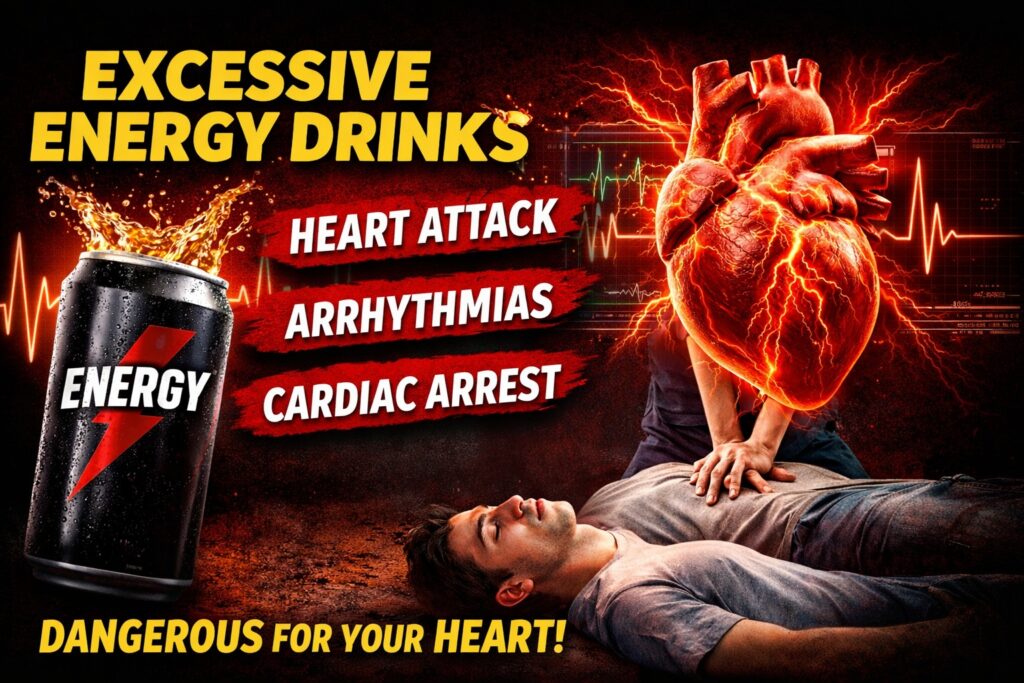
Energy drinks have become a daily habit for millions of students chasing deadlines, professionals battling fatigue, and athletes pushing performance limits. Marketed as quick fixes for energy and focus, these beverages often contain high doses of caffeine, sugar, and stimulants like taurine and guarana.
While occasional consumption may seem harmless, excessive intake is increasingly linked to serious cardiovascular complications, including heart attack, arrhythmias, and even sudden cardiac arrest.
Understanding how these drinks impact the heart is critical, especially in a world where overconsumption is normalized and even encouraged.
What Makes Energy Drinks Potentially Dangerous?
Unlike a standard cup of coffee, energy drinks deliver a concentrated mix of stimulants. A single can may contain anywhere from 80 mg to over 300 mg of caffeine, often combined with other compounds that amplify its effects. Ingredients such as taurine, guarana (a natural source of caffeine), ginseng, and large quantities of sugar create a potent cocktail that overstimulates the cardiovascular system.
The real concern arises when individuals consume multiple cans in a short period. This leads to cumulative stimulant overload, pushing the body beyond its safe physiological limits.
The Link Between Energy Drinks and Heart Attack
A heart attack occurs when blood flow to the heart muscle is blocked, usually due to narrowed or constricted arteries. Excessive energy drink consumption contributes to this risk through several mechanisms.
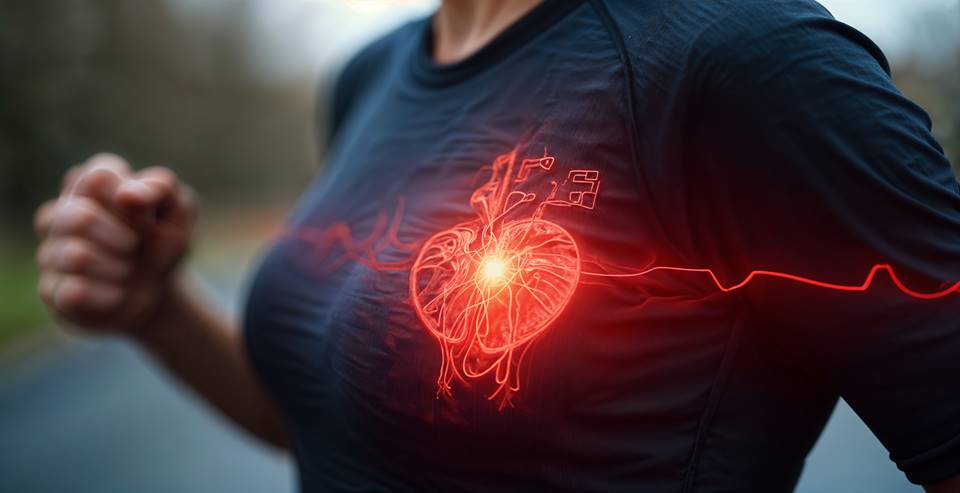
Firstly, high caffeine intake causes a temporary spike in blood pressure. Repeated spikes can damage blood vessels over time, promoting the development of atherosclerosis (plaque buildup in arteries). Secondly, stimulants increase heart rate and myocardial oxygen demand. When the heart requires more oxygen than the blood supply can deliver, it creates a dangerous imbalance that may trigger a heart attack.
Additionally, energy drinks can increase platelet aggregation making the blood more prone to clotting. This raises the likelihood of sudden blockage in coronary arteries, a direct cause of heart attacks.
How Energy Drinks Trigger Arrhythmias
Arrhythmias are irregular heartbeats that can range from mild palpitations to life-threatening conditions. Excessive caffeine and stimulant intake disrupt the electrical signals that regulate the heart’s rhythm.
Caffeine acts on the central nervous system and increases the release of adrenaline. This overstimulation can cause the heart to beat faster and irregularly. In susceptible individuals, especially those with underlying heart conditions, this can lead to serious arrhythmias such as atrial fibrillation or ventricular tachycardia.
Another concern is the combined effect of caffeine and taurine. While taurine alone may have some stabilizing effects, its interaction with high caffeine levels is not fully understood and may contribute to unpredictable cardiac responses.
Electrolyte imbalance is another hidden risk. Many people consume energy drinks during intense physical activity or in hot conditions, leading to dehydration. Loss of essential electrolytes like potassium and magnesium further disrupts heart rhythm, increasing the likelihood of arrhythmias.
The Risk of Sudden Cardiac Arrest
Cardiac arrest is a sudden loss of heart function, often caused by severe arrhythmias. Unlike a heart attack, which is related to blocked blood flow, cardiac arrest is primarily an electrical problem.
Excessive energy drink consumption can act as a trigger for cardiac arrest, particularly in young individuals who may otherwise appear healthy. High doses of stimulants can induce ventricular fibrillation, a chaotic heart rhythm that prevents effective pumping of blood. Without immediate medical intervention, this condition is often fatal.
Several reported cases have linked heavy energy drink consumption to sudden cardiac arrest, especially when combined with alcohol or intense physical exertion. This combination places extreme stress on the heart, significantly increasing the risk of catastrophic outcomes.
Why Athletes and Gym-Goers Are at Higher Risk
Fitness enthusiasts and athletes often consume energy drinks or pre-workout supplements to enhance performance. However, this practice can be particularly dangerous.
During exercise, the heart is already working harder to meet the body’s increased oxygen demands. Adding stimulants further elevates heart rate and blood pressure, pushing the cardiovascular system into overdrive. This combination can lead to dangerous conditions such as exercise-induced arrhythmias or even sudden cardiac arrest.
Moreover, many individuals underestimate their total caffeine intake by combining energy drinks with coffee or supplements, leading to unintentional overdose.
Hidden Dangers: Sugar and Long-Term Impact
Beyond stimulants, most energy drinks contain excessive sugar sometimes exceeding the recommended daily intake in a single serving. High sugar consumption contributes to obesity, insulin resistance, and diabetes, all of which are major risk factors for cardiovascular disease.
Chronic consumption of sugary energy drinks also promotes inflammation and oxidative stress, further damaging blood vessels and increasing the risk of heart-related complications over time.
Warning Signs You Should Not Ignore
The body often gives early warning signals before severe cardiac events occur. Symptoms such as persistent palpitations, chest discomfort, dizziness, shortness of breath, and unexplained fatigue should never be ignored.
These signs may indicate that the heart is under stress and struggling to maintain normal function. Immediate medical attention is essential to prevent progression to more serious conditions like heart attack or cardiac arrest.
Safe Consumption and Healthier Alternatives
Moderation is key when it comes to energy drinks. Most health authorities recommend limiting caffeine intake to around 400 mg per day for healthy adults. However, individual tolerance varies, and those with heart conditions, hypertension, or sensitivity to caffeine should consume even less.
Instead of relying on energy drinks, individuals can adopt healthier strategies to maintain energy levels. Adequate sleep, balanced nutrition, regular physical activity, and proper hydration are far more sustainable and safer approaches. Natural options like green tea or fresh fruit-based smoothies can provide a mild energy boost without overwhelming the cardiovascular system.
Key Takeaway
Energy drinks may offer a temporary surge in energy, but their long-term impact on heart health is far from harmless. Excessive consumption can increase the risk of heart attack, disrupt heart rhythm leading to arrhythmias, and in severe cases, trigger sudden cardiac arrest.