

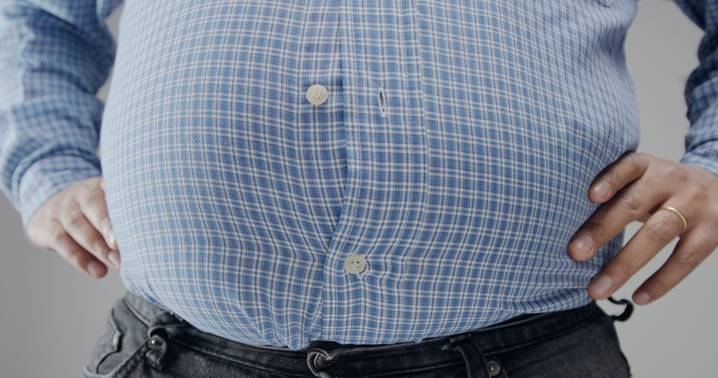
Belly fat is not just a cosmetic concern; it is strongly linked to serious health risks such as type 2 diabetes, cardiovascular disease, and metabolic syndrome.
Visceral fat accumulates around internal organs and disrupts hormonal balance and metabolism. The good news is that scientific research supports several practical and sustainable strategies to reduce abdominal fat effectively.
1. Eat Fiber-Rich Foods
Dietary fiber, particularly soluble fiber, plays a key role in reducing belly fat. Soluble fiber absorbs water and forms a gel-like substance that slows digestion and enhances satiety. This reduces overall calorie intake and prevents overeating.
Studies have shown that increased fiber intake is associated with reduced visceral fat accumulation. Foods rich in fiber include oats, flaxseeds, legumes, fruits, and vegetables. Including at least 25-35 grams of fiber daily can significantly improve fat loss outcomes.
Fiber also supports gut health by promoting beneficial bacteria, which further influences fat metabolism.
2. Say No to Foods Containing Trans Fats
Trans fats are artificial fats commonly found in processed foods such as baked goods, margarine, and fried snacks. These fats are strongly linked to increased inflammation, insulin resistance, and abdominal fat accumulation.
Clinical studies have demonstrated that diets high in trans fats promote fat deposition in the abdominal region. Eliminating trans fats and replacing them with healthier fats like monounsaturated and polyunsaturated fats (found in olive oil, nuts, and seeds) can significantly reduce belly fat and improve heart health.
Reading food labels and avoiding “partially hydrogenated oils” is essential for preventing trans fat intake.

3. Eat a High-Protein Diet
Protein is one of the most effective nutrients for fat loss. A high-protein diet increases satiety hormones such as peptide YY and reduces hunger hormones like ghrelin, leading to lower calorie consumption.
Research indicates that individuals consuming higher protein diets experience less abdominal fat gain over time. Protein also boosts metabolism through the thermic effect of food and helps preserve lean muscle mass during weight loss.
Good protein sources include eggs, lean meat, fish, dairy, legumes, and plant-based proteins. Aim for 20–30% of daily calories from protein for optimal results.
4. Avoid Sugary Foods
Excess sugar consumption, especially from sugary beverages and processed foods, is a major contributor to belly fat. Fructose, a common sugar component, is metabolized in the liver and promotes fat storage, particularly in the abdominal area.
Studies have linked high sugar intake to increased visceral fat and metabolic disorders. Reducing consumption of soft drinks, sweets, and packaged snacks can significantly decrease belly fat over time.
Replacing sugary foods with whole fruits and natural sweeteners in moderation can help maintain a healthier metabolic profile.

5. Perform Regular Training
Physical activity is crucial for reducing belly fat. Both aerobic exercise and resistance training have been shown to decrease visceral fat effectively.
Aerobic exercises such as walking, running, and cycling help burn calories and improve cardiovascular health. Resistance training, on the other hand, builds muscle mass, which increases resting metabolic rate.
Research suggests that combining both forms of exercise provides the best results for fat loss. Aim for at least 150 minutes of moderate-intensity exercise per week along with strength training sessions.
6. Eat Fatty Fish at Least Once a Week
Fatty fish such as salmon, mackerel, sardines, and tuna are rich in omega-3 fatty acids, which have been shown to reduce inflammation and improve metabolic health.
Omega-3 fatty acids play a role in reducing visceral fat and enhancing fat oxidation. Regular consumption of fatty fish is associated with lower abdominal fat levels and improved insulin sensitivity.
Including fatty fish in your diet once or twice a week can contribute significantly to belly fat reduction while also supporting heart and brain health.
7. Eat Probiotic Foods
Gut health has a direct impact on weight management and fat distribution. Probiotic foods contain beneficial bacteria that improve digestion, reduce inflammation, and influence fat storage mechanisms.
Studies indicate that certain strains of probiotics can help reduce abdominal fat by regulating appetite and improving metabolic function.
Common probiotic foods include yogurt, kefir, fermented vegetables, and traditional fermented foods like kimchi and sauerkraut. Including these in your daily diet supports a healthy gut microbiome and aids in fat loss.

8. Get Plenty of Restful Sleep
Sleep plays a critical role in hormonal balance and weight management. Poor sleep disrupts hormones such as cortisol, ghrelin, and leptin, leading to increased appetite and fat accumulation, especially in the abdominal area.
Scientific evidence shows that individuals who sleep less than 6 hours per night are more likely to gain belly fat compared to those who get adequate rest.
Aim for 7-9 hours of quality sleep each night to support metabolic health and reduce stress-related fat storage. Establishing a consistent sleep routine and minimizing screen exposure before bedtime can improve sleep quality.
9. Consider Intermittent Fasting
Intermittent fasting (IF) is a popular dietary approach that involves cycling between periods of eating and fasting. Common methods include the 16:8 method and alternate-day fasting.
Research suggests that intermittent fasting can help reduce overall body fat, including visceral fat, by improving insulin sensitivity and promoting fat-burning processes.
IF also helps regulate calorie intake naturally without the need for strict dieting. However, it is important to adopt a balanced approach and ensure nutrient adequacy during eating periods.
Consulting a healthcare professional before starting intermittent fasting is advisable, especially for individuals with medical conditions.
10. Drink Green Tea
Green tea is widely recognized for its fat-burning properties due to the presence of catechins, particularly epigallocatechin gallate (EGCG). These compounds enhance metabolism and increase fat oxidation.
Several studies have shown that regular consumption of green tea can lead to modest reductions in body weight and abdominal fat.
Drinking 2-3 cups of green tea daily, combined with a healthy diet and exercise, can support belly fat reduction efforts. It also provides antioxidant benefits that improve overall health.
Bottom Line
Losing belly fat requires a combination of dietary changes, physical activity, and lifestyle modifications. There is no single solution, but adopting these 10 science-backed strategies can lead to sustainable and effective results. Focusing on fiber-rich foods, high-quality protein, healthy fats, regular exercise, and proper sleep can significantly reduce abdominal fat and improve overall well-being. Consistency is the key small, daily changes in diet and lifestyle can produce meaningful long-term outcomes.