

What Is Vitamin B12 and How Does It Work?
Vitamin B12 is an essential nutrient involved in several biochemical processes in the body. It is crucial for DNA synthesis, red blood cell formation, and proper neurological function. Unlike some vitamins, Vitamin B12 is primarily found in animal-based foods, making it a nutrient of concern, especially in populations with predominantly vegetarian diets.
Once consumed, Vitamin B12 binds with intrinsic factor in the stomach, allowing it to be absorbed in the small intestine. It is then transported through the bloodstream and stored in the liver for future use. Since the body cannot produce Vitamin B12 on its own, regular intake through diet or supplementation is necessary.
Why Vitamin B12 Deficiency Is Common in India
Predominantly Vegetarian Diets
A significant portion of the Indian population follows vegetarian or vegan diets due to cultural and religious beliefs. Since Vitamin B12 is naturally present in foods like meat, fish, eggs, and dairy, vegetarians often struggle to meet their daily requirements.
Low Intake of Fortified Foods
Unlike Western countries, food fortification with Vitamin B12 is not widespread in India. This limits alternative sources for those who do not consume animal products.
Poor Absorption Issues
Even among non-vegetarians, Vitamin B12 deficiency can occur due to poor absorption. Conditions such as gastritis, intestinal disorders, and reduced stomach acid levels can hinder absorption.
Lifestyle and Health Factors
Chronic stress, alcohol consumption, and long-term use of medications like antacids or metformin can interfere with Vitamin B12 absorption and metabolism.

Key Health Benefits of Vitamin B12 for Indians
1. Supports Brain and Nervous System Health
Vitamin B12 is essential for maintaining the health of nerve cells and producing myelin, a protective sheath around nerves. Deficiency can lead to neurological issues such as memory loss, confusion, and even depression. In a country where stress and mental health concerns are rising, adequate B12 intake is crucial.
2. Prevents Anemia and Boosts Energy
Vitamin B12 plays a critical role in red blood cell formation. A deficiency can lead to megaloblastic anemia, characterized by fatigue, weakness, and shortness of breath. Many Indians report low energy levels, which may be linked to undiagnosed B12 deficiency.
3. Improves Heart Health
Vitamin B12 helps regulate homocysteine levels in the blood. Elevated homocysteine is associated with an increased risk of cardiovascular diseases. Maintaining adequate B12 levels can support heart health and reduce long-term risks.
4. Enhances Metabolism
Vitamin B12 is involved in converting food into energy. It aids in metabolizing fats and proteins, making it essential for maintaining a healthy metabolism. This is particularly important in India, where metabolic disorders like obesity and diabetes are on the rise.
5. Supports Pregnancy and Fetal Development
For pregnant women, Vitamin B12 is vital for the proper development of the baby’s brain and nervous system. Deficiency during pregnancy can lead to birth defects and developmental delays.
6. Promotes Healthy Skin, Hair, and Nails
Vitamin B12 contributes to cell reproduction, which supports healthy skin, hair, and nails. Deficiency may result in hyperpigmentation, hair thinning, and brittle nails.

Symptoms of Vitamin B12 Deficiency
Vitamin B12 deficiency often goes unnoticed because its symptoms can be subtle and develop gradually. Common signs include:
- Persistent fatigue and weakness
- Pale or yellowish skin
- Tingling or numbness in hands and feet
- Difficulty concentrating or memory issues
- Mood changes, including depression or irritability
- Shortness of breath
- Glossitis (inflamed tongue)
If left untreated, deficiency can lead to irreversible nerve damage and severe health complications.
Daily Requirement of Vitamin B12
The recommended daily intake of Vitamin B12 varies by age and life stage:
- Adults: 2.2 mcg per day
- Pregnant women: 2.4 mcg per day
- Lactating women: 2.6 mcg per day
Given the high prevalence of deficiency in India, some individuals may require supplementation under medical supervision.
Best Dietary Sources of Vitamin B12 for Indians
Animal-Based Sources
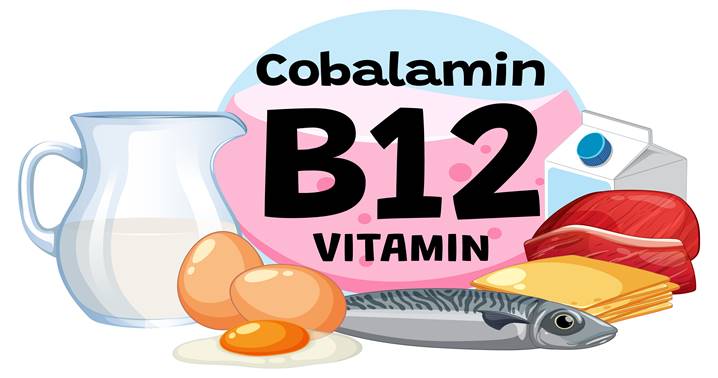
- Milk and dairy products (curd, paneer, cheese)
- Eggs
- Fish (such as salmon and tuna)
- Chicken and meat
These are the most reliable natural sources of Vitamin B12.
Vegetarian and Vegan Options
- Fortified cereals and plant-based milk
- Nutritional yeast
- Fermented foods (though B12 content may be inconsistent)
Vegetarians should pay special attention to fortified foods or consider supplements to meet their requirements.

Role of Supplements in Managing Deficiency
Due to dietary limitations, Vitamin B12 supplements are often necessary for many Indians. Supplements are available in various forms, including tablets, capsules, sublingual forms, and injections.
Oral supplements are generally effective for mild deficiencies, while injections may be recommended for severe cases or absorption issues. However, supplementation should always be guided by a healthcare professional based on blood test results.
Practical Tips to Maintain Healthy Vitamin B12 Levels
Maintaining adequate Vitamin B12 levels requires a proactive approach:
- Include dairy and fortified foods regularly in your diet
- Consider periodic blood tests to monitor B12 levels
- Limit excessive alcohol consumption
- Manage gastrointestinal health for better absorption
- Consult a doctor before starting supplements
Awareness and early intervention are key to preventing deficiency-related complications.
Key Takeaway
Vitamin B12 is a critical nutrient that supports multiple bodily functions, from brain health to energy production. For Indians, the risk of deficiency is particularly high due to dietary habits and limited access to fortified foods. Addressing this issue requires a combination of dietary awareness, regular health check-ups, and appropriate supplementation when needed. Ensuring adequate Vitamin B12 intake is not just about preventing deficiency it is about improving overall quality of life, enhancing energy levels, and supporting long-term health.