


Bread is one of the most commonly consumed foods worldwide. From breakfast toast to sandwiches and evening snacks, bread has become an essential part of modern diets. However, many people are often confused about choosing between brown bread and white bread. While both may look similar on the outside, they differ significantly in terms of nutrition, processing, fiber content, and health benefits.
“Many people ask me during diet consultations – Doctor, which bread is healthier: brown bread or white bread? The answer is simple, but understanding the reason behind it is important for making healthier daily choices.”
Why Dietitians Usually Recommend Brown Bread
During nutritional counselling, dietitians commonly recommend brown bread because it provides better nourishment to the body.
Brown bread contains:
- More dietary fiber
- Better vitamin content
- More minerals
- Slower-digesting carbohydrates
- Better satiety value
White bread mainly provides refined carbohydrates with lower fiber and fewer natural nutrients.
This difference may appear small on the plate, but inside the body the effect is significant.
The Role of Fiber: The Biggest Difference
Whenever I explain healthy eating to patients, I emphasize one nutrient repeatedly fiber. Fiber acts like a natural cleaner for the digestive system. It slows digestion, improves bowel movement, and helps control hunger. Brown bread contains considerably more fiber than white bread.
What Happens When You Eat Fiber-Rich Brown Bread?
The digestion process becomes slower. Because food moves slowly in the digestive tract:
- You feel full for a longer time
- Blood sugar rises gradually
- Cravings reduce
- Digestion improves
- Constipation risk decreases
This is why people trying to lose weight often feel more satisfied after eating brown bread compared to white bread.

What Happens Inside the Body After Eating White Bread?
White bread digests quickly because it contains refined flour with less fiber.
This rapid digestion causes:
- Faster glucose release
- Sudden blood sugar spikes
- Quick return of hunger
- Increased cravings
Brown bread acts more like “slow and stable fuel,” providing sustained energy for longer periods.
Bread and Blood Sugar: Important for Diabetes Patients
One of the most important discussions during diabetes counselling is carbohydrate quality. White bread has a higher glycemic index. This means it can increase blood sugar levels rapidly after eating. Brown bread, especially whole grain bread, has a lower glycemic response because fiber slows glucose absorption.
Why Is This Important?
Frequent blood sugar spikes may:
- Increase insulin demand
- Promote fat storage
- Increase hunger
- Affect energy levels
- Increase long-term diabetes risk
For diabetic patients or prediabetic individuals, choosing whole grain bread is usually a better option under professional dietary guidance.
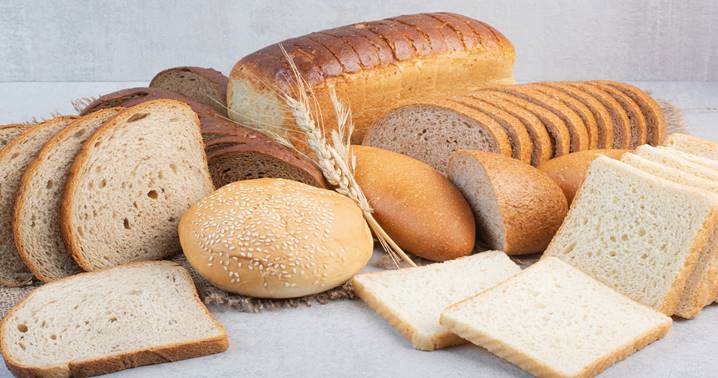
Brown Bread and Weight Loss: Does It Really Help?
Many patients believe brown bread automatically causes weight loss. This is not completely true. No single food causes weight loss on its own. However, brown bread can support healthy weight management because it improves satiety.
How Brown Bread Supports Weight Management
Because of higher fiber:
- People feel full earlier
- Snacking frequency may reduce
- Portion control becomes easier
- Energy remains stable
White bread often causes early hunger, which may increase overall calorie intake during the day.
But portion control still matters. Eating excessive amounts of brown bread can also increase calorie intake.
Heart Health and Whole Grains
Modern lifestyle diseases such as hypertension, obesity, and heart disease are increasing rapidly. Diet plays an important role in prevention.
Whole grains found in genuine brown bread may support heart health because they contain:
- Fiber
- Magnesium
- Antioxidants
- Plant compounds
Fiber may help reduce LDL cholesterol levels, which are associated with cardiovascular risk.
Replacing refined grains with whole grains is commonly recommended in healthy dietary guidelines for long-term heart wellness.
Is Every Brown Bread Really Healthy?
This is a very important point that many consumers do not know.
Not every brown-colored bread is truly healthy.
Some commercial breads use:
- Artificial coloring
- Caramel
- Molasses
to make refined bread appear brown.
Therefore, patients should always read food labels carefully.
A Healthy Bread Should Ideally Have:
- Whole wheat flour as the first ingredient
- Higher fiber content
- Lower added sugar
- Minimal preservatives
Who May Benefit Most from Brown Bread?
Brown bread may be especially beneficial for:
- People trying to lose weight
- Individuals with diabetes
- Patients with constipation
- People with heart disease risk
- Those needing higher fiber intake
However, some individuals with digestive sensitivity or certain gastrointestinal conditions may temporarily tolerate white bread better because it is softer and lower in fiber.
Diet should always be personalized according to individual health needs.
Is White Bread Completely Bad?
As healthcare professionals, we avoid labelling foods as completely “good” or “bad.”
White bread is not poisonous or dangerous when consumed occasionally in moderation. The real problem occurs when refined foods dominate the diet regularly without balance. Long-term health depends on overall dietary patterns, physical activity, sleep, and lifestyle habits.
Practical Dietitian Tips for Choosing Healthier Bread
Choose Whole Grain More Often
Avoid Excess Sugary Spreads
Pair Bread with Protein
Combine bread with:
- Eggs
- Peanut butter
- Paneer
- Sprouts
- Lean protein
Final Takeaway
“Brown bread is generally the healthier choice because it contains more fiber, nutrients, and slow-digesting carbohydrates. It supports better digestion, stable blood sugar, improved fullness, and overall metabolic health.” White bread, although softer and popular in taste, is more refined and less nutritious. Frequent consumption of refined bread may not support long-term health goals, especially in people with sedentary lifestyles.
The healthiest approach is balance, moderation, and choosing minimally processed foods whenever possible.