

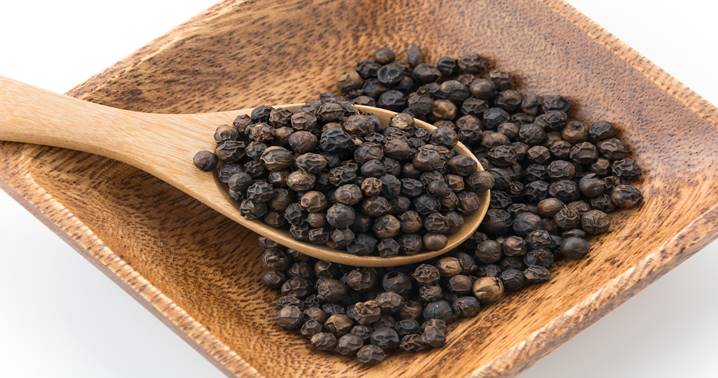
Black pepper, scientifically known as Piper nigrum, is one of the most widely used spices in the world. Beyond its culinary use, black pepper has become an important ingredient in herbal and nutraceutical formulations because of its active compound, piperine. Piperine is responsible for the pungent taste of black pepper and contributes significantly to its medicinal properties.
Modern research has shown that piperine offers multiple health benefits, including improved nutrient absorption, digestive support, antioxidant protection, anti-inflammatory activity, and immune support. Due to these properties, black pepper extract is widely included in dietary supplements, herbal products, and functional wellness formulations.

Piperine as a Bioavailability Enhancer
One of the most important functions of piperine is its role as a bioenhancer. Bioavailability refers to the amount of a nutrient or active compound that is absorbed and utilized by the body. Many herbal compounds have poor absorption when taken orally, limiting their effectiveness.
Piperine improves absorption by increasing intestinal permeability and slowing the metabolic breakdown of nutrients and herbal compounds. This allows active ingredients to remain in the bloodstream for a longer period.
The most well-known example is the combination of piperine with curcumin, the active compound in turmeric. Curcumin has naturally low bioavailability, but when combined with piperine, its absorption increases significantly. Because of this effect, piperine is commonly added to turmeric supplements. Piperine may also improve the absorption of nutrients such as selenium, beta-carotene, vitamin B6, and coenzyme Q10. This makes it a valuable ingredient in advanced nutraceutical formulations.
Synergistic Action in Herbal Formulations
Piperine is widely recognized for its synergistic action with herbal ingredients. Synergy occurs when two compounds work together to produce stronger effects than either ingredient alone.
In traditional and modern herbal medicine, piperine is frequently combined with herbs such as turmeric, ginger, ashwagandha, and boswellia. These combinations are used in formulations targeting inflammation, immunity, stress management, and joint health.
The synergistic effect of piperine helps improve the therapeutic efficiency of herbal supplements. By enhancing absorption and biological activity, piperine allows lower doses of certain herbs to produce effective results.
This property is especially useful in nutraceutical product development, where maximizing ingredient effectiveness is important for consumer health benefits.

Digestive Health Benefits of Black Pepper
Black pepper has long been used as a natural digestive aid. Piperine stimulates the secretion of digestive enzymes and supports healthy gastric function, helping the body break down and absorb nutrients more efficiently.
It may help reduce digestive discomfort such as bloating, indigestion, and gas. Piperine also supports intestinal motility, which promotes smoother digestion and waste elimination.
In traditional herbal systems such as Ayurveda, black pepper is considered a warming spice that stimulates digestive fire and improves appetite. It is commonly included in digestive formulations with ginger, fennel, and cardamom.
By enhancing nutrient absorption, piperine also contributes to better nutritional status and overall wellness.

Anti-inflammatory Properties of Piperine
Chronic inflammation is linked to several health conditions, including arthritis, cardiovascular disease, obesity, and metabolic disorders. Piperine has shown promising anti-inflammatory activity in scientific studies.
Research suggests that piperine may help regulate inflammatory pathways and reduce the production of pro-inflammatory compounds in the body. Because of these effects, it is often included in joint health and mobility supplements.
Piperine is commonly paired with turmeric and boswellia in anti-inflammatory herbal formulations. These combinations are widely used to support musculoskeletal comfort and exercise recovery.
Its anti-inflammatory properties may also support metabolic and cardiovascular health, since chronic inflammation plays a key role in many lifestyle-related diseases.
Antioxidant Effects and Cellular Protection
Oxidative stress caused by free radicals can damage cells and contribute to aging and chronic disease development. Piperine possesses antioxidant properties that help neutralize harmful free radicals and support cellular protection.
This antioxidant activity may help reduce oxidative damage and support healthy aging. As a result, black pepper extract is increasingly used in wellness supplements and anti-aging nutraceuticals.
Piperine is often combined with antioxidant-rich ingredients such as green tea extract and grape seed extract. In these formulations, it not only contributes its own antioxidant effects but also improves the absorption of other beneficial compounds.
Emerging research also suggests that piperine may support cognitive and neurological health through its antioxidant activity.
Respiratory Support Applications
Black pepper has traditionally been used in herbal remedies for respiratory wellness. Its warming and stimulating properties may help support normal respiratory function and mucus clearance.
In traditional medicine, black pepper is commonly combined with ginger, honey, tulsi, and licorice in herbal preparations for throat and respiratory comfort.
The anti-inflammatory and antioxidant effects of piperine may further support respiratory health by helping reduce irritation caused by environmental factors.
Although it should not replace medical treatment, black pepper remains a valuable ingredient in complementary respiratory wellness formulations.
Piperine and Metabolic Health
Piperine may also support metabolic wellness. Studies suggest that it can influence thermogenesis, fat metabolism, and energy expenditure. Because of these effects, black pepper extract is often included in weight management and sports nutrition supplements.
Some research indicates that piperine may help support healthy blood glucose metabolism and insulin sensitivity, although more clinical evidence is needed.
In metabolic formulations, piperine is frequently combined with green tea extract, caffeine, and chromium to support healthy energy balance and metabolism.
Immune System Support
Piperine contributes to immune health through multiple mechanisms. By improving nutrient absorption, it helps the body utilize vitamins and minerals essential for immune function, including vitamin C, vitamin D, zinc, and selenium.
Its antioxidant and anti-inflammatory properties may also help support immune balance and overall wellness.
In herbal immunity formulations, piperine is often combined with turmeric, garlic, echinacea, and elderberry. These combinations are increasingly popular in preventive healthcare and wellness products.
The Bottom Line
Black pepper and its active compound piperine play an important role in modern herbal and nutraceutical formulations. Piperine enhances bioavailability, supports digestion, reduces inflammation, provides antioxidant protection, and contributes to metabolic and immune health.
Its ability to improve the effectiveness of nutrients and herbal compounds makes it one of the most valuable ingredients in dietary supplements and functional wellness products. As scientific research continues to expand, piperine is expected to remain a key component in evidence-based nutraceutical and herbal formulations.