


Gallstones are a common digestive condition affecting millions of people worldwide. Many individuals discover they have gallstones during routine medical scans, often without experiencing any symptoms at all. Naturally, this raises an important question: do gallstones always require treatment? The answer is no. In many cases, gallstones can safely remain untreated, while other situations may require medical attention or surgery.
What Are Gallstones?
Gallstones are small, hardened deposits that form inside the gallbladder, a small organ located beneath the liver. The gallbladder stores bile, a digestive fluid that helps break down fats.
Gallstones usually develop from:
- Excess cholesterol in bile
- Excess bilirubin, a substance produced during the breakdown of red blood cells
- Poor gallbladder emptying
Gallstones can range in size from tiny grains of sand to larger stones resembling golf balls. Some people may develop just one stone, while others can have several.
Types of Gallstones
1. Cholesterol Gallstones
These are the most common type and are usually yellow-green in color. They form when bile contains too much cholesterol.
2. Pigment Gallstones
These are smaller, darker stones made from excess bilirubin. They are more common in people with liver disease or certain blood disorders.
Can Gallstones Be Left Untreated?
Yes. Many gallstones do not require treatment, especially if they are “silent gallstones.”
Silent gallstones are stones that do not cause symptoms or complications. In fact, many people may never know they have gallstones unless they undergo an ultrasound or imaging scan for another condition.
Doctors generally recommend a “watch-and-wait” approach when:
- Gallstones are not causing pain
- There are no signs of infection or inflammation
- Digestion remains normal
- The patient has no history of gallbladder attacks
Research shows that most people with silent gallstones never develop symptoms.

When Do Gallstones Become a Problem?
Gallstones become dangerous when they block the normal flow of bile. This blockage can trigger sudden pain and potentially serious complications.
Common symptoms of problematic gallstones include:
- Sharp pain in the upper right abdomen
- Pain after eating fatty foods
- Nausea and vomiting
- Fever or chills
- Bloating and indigestion
- Yellowing of the skin or eyes (jaundice)
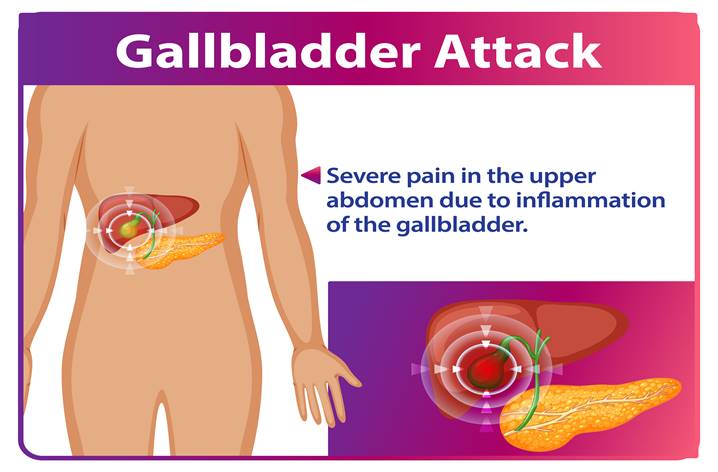
The pain caused by gallstones is often referred to as a gallbladder attack or biliary colic. It can last from a few minutes to several hours.
Complications of Untreated Gallstones
If a blockage does not resolve on its own, gallstones can lead to serious health complications.
Gallbladder Inflammation (Cholecystitis)
A trapped gallstone can inflame the gallbladder, causing severe pain, fever, and infection.
Pancreatitis
Gallstones may block the pancreatic duct, leading to inflammation of the pancreas, a potentially life-threatening condition.
Bile Duct Infection
An infection in the bile ducts can become dangerous if not treated promptly.
Jaundice
Blocked bile flow may cause yellowing of the skin and eyes.
These complications often require emergency medical treatment.
How Are Gallstones Diagnosed?
Ultrasound is the most common and effective diagnostic tool for detecting gallstones.
Doctors typically diagnose gallstones using imaging tests such as:
- Ultrasound
- CT scan
- MRI
- Blood tests to check for infection or liver problems
Treatment Options for Gallstones
1. No Treatment for Silent Gallstones
If there are no symptoms, doctors often recommend monitoring the condition rather than immediate treatment.
Patients are usually advised to:
- Maintain a healthy weight
- Eat a balanced diet
- Avoid rapid weight loss
- Watch for new symptoms
2. Gallbladder Removal Surgery
For recurring pain or complications, the standard treatment is surgical removal of the gallbladder, called cholecystectomy.
This procedure is commonly performed using minimally invasive laparoscopic surgery.
Benefits include:
- Relief from recurring pain
- Prevention of future complications
- Quick recovery time
People can live normally without a gallbladder because bile can still flow directly from the liver into the digestive tract.
3. Medications
In rare cases, medications may be used to dissolve cholesterol gallstones. However, this treatment can take months or years and is less effective than surgery.
4. Lifestyle and Dietary Changes
Healthy lifestyle habits may help reduce symptoms and lower the risk of future gallstones.
Recommended changes include:
- Eating more fiber-rich foods
- Limiting fried and fatty foods
- Staying physically active
- Drinking plenty of water
- Managing cholesterol levels
Who Is Most at Risk for Gallstones?
Understanding these risk factors can help individuals take preventive steps.
Several factors increase the likelihood of developing gallstones:
- Being female
- Age over 40
- Obesity
- Pregnancy
- Diabetes
- Family history of gallstones
- High-fat diets
- Rapid weight loss
When Should You See a Doctor?
Early treatment can prevent dangerous complications. Seek medical attention immediately if you experience:
- Severe abdominal pain
- Fever with chills
- Persistent nausea or vomiting
- Jaundice
- Pain lasting several hours
The Bottom Line
Gallstones do not always require treatment. Many people live their entire lives with silent gallstones that never cause discomfort or health problems. In such cases, doctors often recommend observation rather than immediate intervention. However, once gallstones begin causing pain, inflammation, or digestive issues, medical treatment becomes important. Surgical removal of the gallbladder remains the most effective long-term solution for symptomatic gallstones.
If you suspect you may have gallstones or are experiencing symptoms, consult a healthcare professional for proper diagnosis and personalized treatment recommendations.