

- Side sleeping position supports better breathing, spinal alignment, and improved sleep quality.
- Back sleeping may increase snoring and lower back discomfort in some people.
- Stomach sleeping can strain the neck and spine, causing pain and stiffness.

Getting enough sleep is important, but the quality of your sleep matters just as much as the number of hours you spend in bed. Many people focus on bedtime routines, blackout curtains, or limiting screen time before bed. However, one often-overlooked factor can significantly impact your sleep quality-your sleeping position.
The way you sleep can affect your breathing, spinal alignment, muscle recovery, and even how refreshed you feel when you wake up. Some positions support healthy sleep better than others, while certain postures may contribute to snoring, neck pain, or disrupted rest.
Here’s what Medical experts say about the impact of sleeping positions and how you can improve your nighttime comfort for better overall health.
How Sleep Position Influences Your Health
Your body continues to work while you sleep. During this time, your muscles relax, your spine recovers from daily strain, and your breathing patterns stabilize. The position you sleep in can either support these natural recovery processes or interfere with them.
An unhealthy sleep posture may lead to:
- Poor spinal alignment
- Increased snoring
- Sleep apnea symptoms
- Neck and shoulder pain
- Lower back discomfort
- Interrupted sleep cycles
On the other hand, proper sleep positioning can improve breathing, reduce pressure on joints, and help you wake up feeling energized.
Is There One Perfect Sleeping Position?
- Sleep specialists agree there is no single sleeping position that works perfectly for everyone. The best position is ultimately the one that allows you to sleep comfortably and continuously through the night.
- However, experts generally consider side sleeping (specifically right side) the healthiest option for most adults because it supports breathing and spinal alignment better than other positions.
- Still, each sleeping posture comes with advantages and disadvantages.
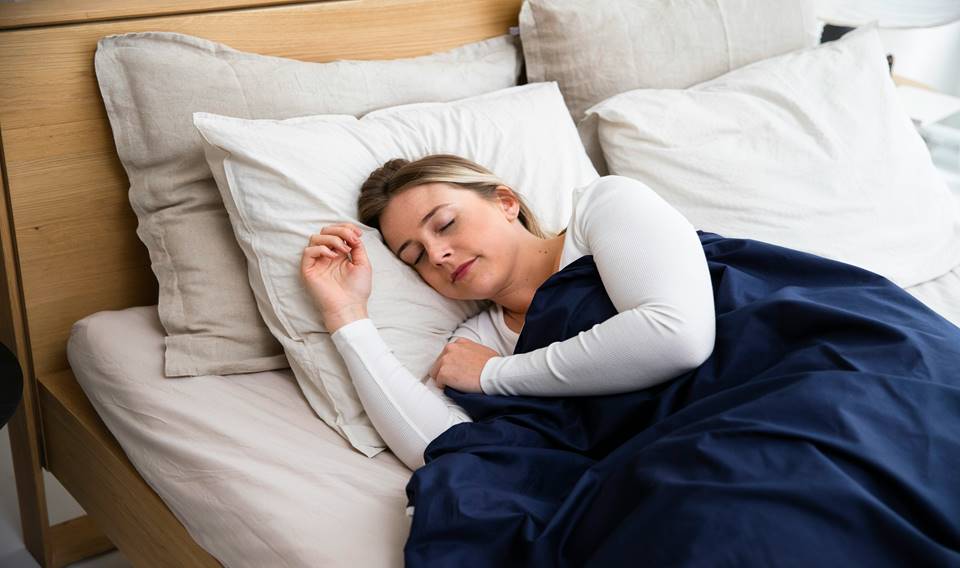
Side Sleeping: The Preferred Position for Better Rest
Sleeping on your side is the most common sleeping posture among adults and is often recommended by sleep experts.
Benefits of Side Sleeping
Helps Keep Airways Open: Side sleeping naturally prevents the tongue and soft tissues from collapsing backward into the airway. This can reduce snoring and lessen symptoms of sleep apnea.
Supports Deeper Sleep: Research suggests side sleepers often experience fewer nighttime awakenings and improved sleep quality.
May Improve Digestion: Sleeping on the left side may help digestion and reduce acid reflux symptoms for some individuals.
Better Spinal Support: When done correctly, side sleeping can help maintain the natural curve of the spine.
Potential Drawbacks
Although side sleeping has many benefits, it can place pressure on the shoulders and hips. Some people may wake up with soreness or numbness in these areas.
Tips for Comfortable Side Sleeping
- Place a pillow between your knees to align your hips
- Use a supportive pillow for your neck
- Choose a mattress that cushions pressure points

Back Sleeping: Comfortable but Risky for Breathing
Sleeping on your back can feel comfortable because it evenly distributes body weight. However, it may not be ideal for everyone.
Advantages of Back Sleeping
Reduced Facial Pressure: Back sleeping minimizes pressure on the face, which may help reduce wrinkles and skin irritation.
Even Weight Distribution: This position can reduce stress on joints and muscles.
Disadvantages of Back Sleeping
Increased Snoring: Back sleeping often causes the airway to narrow, increasing the risk of snoring and obstructive sleep apnea.
Lower Back Strain: Without proper support, the lower back may flatten unnaturally against the mattress, causing discomfort.
How to Improve Back Sleeping
If you prefer sleeping on your back:
- Place a small pillow under your knees
- Use a medium-firm mattress
- Keep your head slightly elevated
Why Stomach Sleeping Causes Problems
Stomach Sleeping: Stomach is generally considered the least healthy sleep posture.
Neck Strain: To breathe while lying on your stomach, your head must remain turned to one side for hours. This creates stress on the neck muscles and cervical spine.
Pressure on the Lower Back: Stomach sleeping can exaggerate the natural curve of the spine, leading to lower back pain.
Muscle Stiffness: Many stomach sleepers wake up with stiffness, soreness, or headaches.
Are There Any Benefits?
- Stomach sleeping may temporarily reduce snoring for some people because it can help keep the airway open. However, the strain placed on the spine often outweighs this benefit.
Tips If You Cannot Stop Sleeping on Your Stomach
- Use a very thin pillow or no pillow at all
- Place a pillow under your pelvis for lower back support
- Try gradually transitioning to side sleeping
Additional Habits That Improve Sleep Quality
Your sleeping position matters, but overall sleep hygiene also plays a major role in restful sleep.
Stick to a Consistent Sleep Schedule: Going to bed and waking up at the same time daily helps regulate your internal body clock.
Create a Relaxing Sleep Environment: Keep your bedroom:
- Quiet
- Cool
- Dark
- Comfortable
Limit Screen Time Before Bed: Electronic devices emit blue light, which can interfere with melatonin production and delay sleep.
Avoid Heavy Meals and Alcohol Late at Night: Eating large meals or drinking alcohol before bedtime can disrupt sleep patterns and digestion.
Reduce Caffeine Intake: Avoid caffeine during the evening hours, especially if you struggle to fall asleep.
Stay Physically Active: Regular exercise helps improve sleep duration and quality naturally.
When to Seek Professional Help
If you regularly wake up tired despite getting enough sleep, or if you experience chronic pain, loud snoring, or breathing interruptions during sleep, it may be time to consult a healthcare provider.
Persistent sleep issues could indicate conditions such as:
- Sleep apnea
- Chronic insomnia
- Restless leg syndrome
- Musculoskeletal problems
Early diagnosis and treatment can significantly improve your quality of life.
The Bottom Line
Your sleeping position can have a major impact on your physical health, breathing, and overall sleep quality. While there is no perfect posture for everyone, right side sleeping is generally considered the healthiest choice because it supports spinal alignment and helps keep the airways open.