

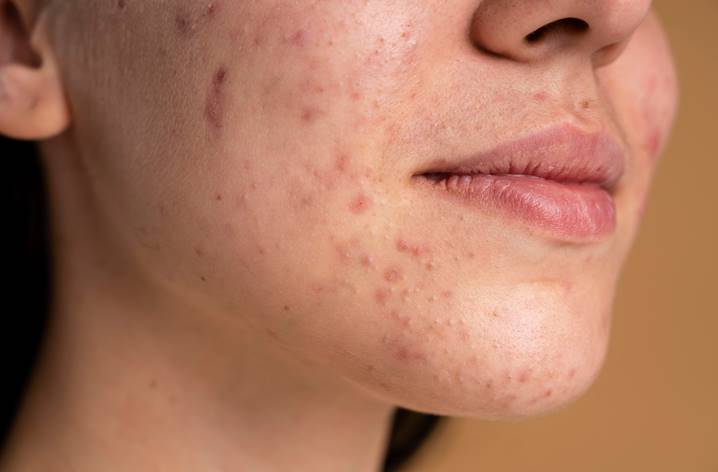
What Is Acne?
Acne, medically known as acne vulgaris, is an inflammatory skin condition that occurs when pores become blocked by sebum, dead skin cells and microorganisms. Sebum is an oily substance produced by sebaceous glands to maintain skin hydration and protection. When excess sebum combines with dead skin debris, the pores become clogged, creating an environment where bacteria can multiply and trigger inflammation.
Acne commonly appears on areas of the body with a high concentration of sebaceous glands, including:
- Face
- Forehead
- Chin
- Chest
- Upper back
- Shoulders
The severity of acne can vary from mild blackheads and whiteheads to painful cystic lesions that extend deep beneath the skin.
How Acne Develops
Acne formation is a multifactorial process involving increased oil production, follicular blockage, bacterial growth and inflammation. During puberty and hormonal fluctuations, androgen hormones stimulate sebaceous glands to produce excess oil. Dead skin cells accumulate within the follicles and obstruct normal drainage of sebum.
This blockage allows Cutibacterium acnes bacteria to proliferate inside the pores, leading to redness, swelling and pus formation. The immune system responds to bacterial overgrowth by producing inflammation, resulting in painful pimples and deeper lesions.
Several factors can worsen acne, including:
- Hormonal changes
- Stress
- Poor skincare habits
- Oily cosmetic products
- High-glycemic diets
- Certain medications
- Genetic predisposition

Types of Acne
Acne can present in different forms depending on the depth of inflammation and severity of the condition.
Comedonal Acne: Comedonal acne is the mildest form and involves non-inflammatory lesions.
Whiteheads: It develop when blocked pores remain closed beneath the skin surface. They appear as small white or flesh-colored bumps.
Blackheads: It occur when clogged pores remain open. Exposure to air causes oxidation of trapped material, giving the lesion a dark appearance.
Inflammatory acne: It develops when bacteria and trapped oil trigger skin irritation and immune responses.
Papule: It is small red inflamed bumps that may feel tender or painful.
Pustule: It is a pus-filled lesions with a white or yellow center surrounded by redness.
Nodular acne: It is a severe form characterized by large, painful solid lumps beneath the skin. These nodules develop deep within the follicles and frequently cause scarring.
Cystic acne: It is the most severe form of acne and involves large pus-filled cysts beneath the skin. These lesions are painful, highly inflamed and strongly associated with permanent acne scars.
Hormonal acne: It is commonly linked to hormonal fluctuations during puberty, menstruation, pregnancy or conditions such as polycystic ovary syndrome (PCOS). It typically affects the jawline, chin and lower face.
Fungal acne: Also known as pityrosporum folliculitis, results from excessive yeast growth inside hair follicles. It often appears as itchy, uniform bumps and may worsen with sweating and humid conditions.

Common Symptoms of Acne
Acne symptoms vary according to severity and skin type. Common signs include:
- Whiteheads
- Blackheads
- Red inflamed bumps
- Pus-filled pimples
- Painful nodules
- Deep cysts
- Oily skin
- Skin tenderness
- Post-inflammatory dark spots
- Acne scars
Mild acne may involve only occasional pimples, whereas severe acne may cause widespread inflammation, nodules and cysts.
Diagnosis of Acne
Acne is generally diagnosed through a physical examination by a dermatologist or healthcare provider. The diagnosis is based on lesion type, severity, distribution and the presence of inflammation or scarring.
Healthcare providers may ask questions regarding:
- Family history of acne
- Menstrual cycle-related breakouts
- Stress levels
- Current medications
- Skincare routines
Evidence-Based Acne Treatment Options
The primary goals of acne treatment are to reduce oil production, control inflammation, prevent new breakouts and minimize scarring.
Topical medications are commonly used for mild to moderate acne.
- Benzoyl peroxide helps kill acne-causing bacteria, reduce inflammation and prevent clogged pores.
- Topical retinoids such as adapalene and tretinoin normalize skin cell turnover, unclog pores and reduce acne formation.
- Salicylic acid exfoliates dead skin cells and helps maintain clear pores.
- Topical Antibiotics: These medications reduce bacterial growth and inflammation and are often combined with benzoyl peroxide.
- Azelaic acid: It improves mild acne and reduces post-inflammatory pigmentation.
Oral Acne Medications
- Oral Antibiotics: Antibiotics such as doxycycline and minocycline reduce inflammation and bacterial growth.
- Hormonal Therapy: Women with hormonal acne may benefit from oral contraceptive pills or anti-androgen medications.
- Isotretinoin: It is highly effective for severe cystic acne. It significantly reduces oil gland activity and prevents scarring. However, it requires strict medical supervision due to potential side effects.
Advanced Acne Therapies
When conventional treatments are insufficient, dermatologists may recommend additional procedures.
- Chemical Peels: It exfoliate damaged skin, improve acne lesions and reduce pigmentation.
- Laser and Light Therapy: These therapies reduce inflammation and target acne-causing bacteria.
- Steroid Injections: Steroid injections help rapidly decrease inflammation in painful nodules and cysts.
- Acne Scar Treatments: Procedures such as microneedling, laser resurfacing and dermal fillers may improve acne scars.

Tips for Acne Prevention and Healthy Skin
While acne cannot always be completely prevented, proper skincare and lifestyle modifications can reduce flare-ups.
Helpful measures include:
- Cleansing the skin gently twice daily
- Using non-comedogenic skincare products
- Avoiding excessive scrubbing
- Removing makeup before sleeping
- Avoiding squeezing pimples
- Managing stress levels
- Following a balanced diet
- Staying hydrated
- Using sunscreen regularly
When to Seek Medical Advice
Professional medical evaluation is recommended if:
- Acne becomes painful or severe
- Over-the-counter products fail
- Acne causes emotional distress
- Scars or pigmentation develop
- Sudden severe acne appears in adulthood
Early treatment can significantly reduce complications and improve long-term skin health.
Key Takeaway
Acne is a chronic inflammatory skin condition caused by clogged pores, excess sebum production, bacterial growth and hormonal influences. It ranges from mild blackheads and whiteheads to severe nodular and cystic acne that may cause permanent scars. Scientific advances in dermatology have provided effective treatment options, including topical therapies, oral medications and advanced dermatological procedures. Proper skincare, early diagnosis and evidence-based treatment play a crucial role in achieving healthy, clearer skin and improving overall quality of life.