

Key Points
- Sexual wellness depends on hormonal, neurological, and circulatory health
- Nutritional deficiencies may affect libido and energy
- Zinc supports testosterone production
- Vitamin D contributes to circulation and hormone balance
- Magnesium helps reduce stress and improve sleep
- L-arginine promotes nitric oxide production for blood flow
- Carnitine supports cellular energy and physical stamina
- Lifestyle habits remain essential for long-term sexual health

Sexual wellness is closely linked to overall physical and mental health. Factors such as stress, poor sleep, hormonal imbalance, fatigue, reduced blood circulation, and nutritional deficiencies can negatively affect libido and sexual performance in both men and women. While lifestyle improvements remain the foundation of sexual health, certain nutrients and supplements may help support healthy hormone balance, energy production, circulation, and stress management.
Several vitamins, minerals, and amino acids have gained attention for their potential role in supporting libido, arousal, stamina, and reproductive health. Nutrients like zinc, vitamin D, magnesium, L-arginine, and carnitine work through different biological pathways to improve blood flow, energy metabolism, and hormone function.
1. Zinc: A Key Mineral for Hormonal Health and Libido
Zinc is one of the most important minerals involved in reproductive and hormonal health. It plays a major role in testosterone synthesis, sperm quality, immune function, and cellular metabolism.
Healthy testosterone levels are associated with libido, energy, mood, and sexual function in both men and women. Zinc also influences dopamine activity, a neurotransmitter linked to motivation, pleasure, and emotional well-being.
Low zinc levels may contribute to reduced testosterone production, fatigue, and decreased sexual interest. Foods rich in zinc include oysters, pumpkin seeds, red meat, lentils, and nuts. Supplementation may be helpful for individuals with dietary deficiencies or increased nutritional demands.
2. Vitamin D: Supporting Circulation and Hormone Function
Vitamin D is well known for its role in bone health, but it also influences hormone regulation, immune balance, and vascular function. Research suggests that vitamin D may help support nitric oxide production and endothelial health, both of which are important for healthy blood circulation.
Proper blood flow is essential for arousal and sexual responsiveness. Inadequate circulation may negatively affect stamina and physical performance. Vitamin D deficiency has also been associated with fatigue, low mood, and reduced testosterone levels in some individuals.
Sunlight exposure, fatty fish, fortified dairy products, and supplementation can help maintain healthy vitamin D status.
3. Vitamin C: Antioxidant Support for Blood Vessel Health
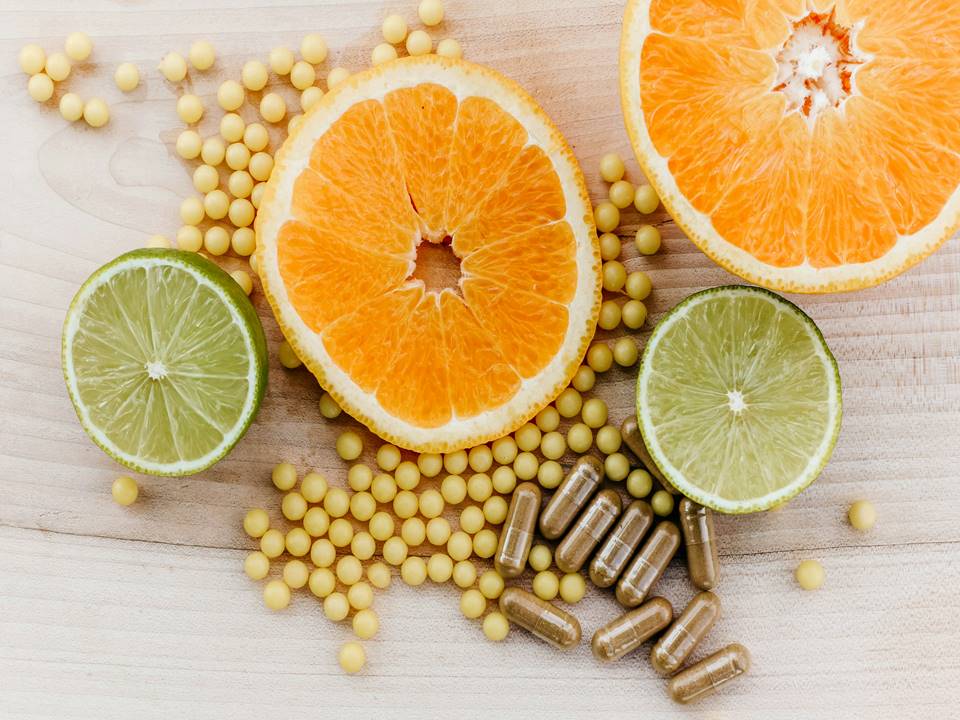
Vitamin C is a powerful antioxidant that helps protect blood vessels from oxidative stress and inflammation. It contributes to collagen formation and supports nitric oxide availability, which helps maintain healthy circulation.
Improved blood flow can positively influence physical arousal and endurance. Vitamin C also supports immune health, energy metabolism, and tissue repair, making it an important nutrient for overall vitality.
Citrus fruits, strawberries, kiwi, bell peppers, and broccoli are excellent natural sources of vitamin C.
4. Magnesium: Relaxation, Stress Reduction, and Energy Support
Magnesium is involved in more than 300 enzymatic reactions in the body, including muscle function, nervous system regulation, and energy production. Chronic stress and poor sleep can significantly affect libido and emotional intimacy, and magnesium may help support relaxation and stress management.
Magnesium contributes to better sleep quality, reduced muscle tension, and improved energy levels. It also helps regulate cortisol, the body’s primary stress hormone. Lower stress levels may positively influence sexual desire and performance.
Magnesium-rich foods include spinach, almonds, pumpkin seeds, dark chocolate, and whole grains.
5. Carnitine: Enhancing Cellular Energy and Physical Stamina
Carnitine is a naturally occurring compound that helps transport fatty acids into the mitochondria, where they are converted into energy. This process supports endurance, physical performance, and muscle function.
Some studies suggest that carnitine supplementation may support male reproductive health, improve energy metabolism, and reduce fatigue. Enhanced cellular energy production may contribute to better stamina and overall vitality.
Carnitine is naturally found in meat, fish, poultry, and dairy products, while supplements are commonly used in sports nutrition and wellness formulations.
6. L-Arginine: Promoting Nitric Oxide and Blood Flow
L-Arginine is an amino acid widely recognized for its role in nitric oxide production. Nitric oxide helps relax blood vessels and improve circulation throughout the body.
Healthy blood flow is essential for sexual arousal and physical performance. L-arginine may help support vascular function and oxygen delivery to tissues, making it a common ingredient in sexual wellness supplements and performance formulations.
Some studies suggest that combining L-arginine with other nutrients may further support circulatory health and stamina. Natural food sources include turkey, chicken, peanuts, soybeans, and dairy products.
The Link Between Nutrition and Sexual Wellness
Sexual health is influenced by multiple body systems, including the cardiovascular, nervous, endocrine, and psychological systems. Nutritional deficiencies may interfere with these functions and contribute to fatigue, reduced libido, poor circulation, and hormonal imbalance.
A balanced diet combined with regular exercise, quality sleep, hydration, and stress management provides the strongest foundation for healthy sexual wellness. Supplements should be viewed as supportive tools rather than quick fixes.
Maintaining a healthy lifestyle can help maximize the benefits of essential nutrients involved in reproductive and sexual health.
Natural Lifestyle Tips to Support Libido
In addition to supplementation, these lifestyle habits may help improve sexual wellness naturally:
- Exercise regularly to improve circulation
- Maintain healthy body weight
- Manage stress through meditation or relaxation
- Prioritize quality sleep
- Limit excessive alcohol intake
- Avoid smoking
- Stay hydrated
- Eat a nutrient-rich balanced diet
Safety and Precautions
Although nutritional supplements may offer supportive benefits, excessive intake can sometimes lead to unwanted side effects or interactions with medications. Individuals with chronic health conditions, cardiovascular disease, diabetes, or hormone-related concerns should consult a healthcare professional before starting any supplement regimen.
Pregnant or breastfeeding women should also seek medical advice before using new supplements.
The Bottom Line
Several nutrients, including Zinc, Vitamin D, Magnesium, Carnitine, and L-Arginine, may help support libido, circulation, stamina, and overall sexual wellness when combined with a healthy lifestyle. These supplements work through different mechanisms such as hormone support, nitric oxide production, stress reduction, antioxidant defense, and energy metabolism. While they are not substitutes for medical treatment, they may serve as valuable components of a comprehensive wellness approach aimed at improving vitality and intimate well-being naturally.