


Processed Foods have changed dramatically over the past few decades. Convenience foods, packaged snacks, frozen meals, and fast food have become daily staples for millions of people worldwide. While these foods save time, health experts are increasingly warning about the hidden dangers they contain especially excessive sodium.
Organizations like the Centers for Disease Control (CDC) and Prevention and the World Health Organization (WHO) continue to highlight the growing link between high sodium intake, modern diet (processed foods), and cardiovascular disease.
Heart disease remains one of the leading causes of death globally, and Processed Foods habits play a major role in determining long-term heart health.
Processed Foods: The Hidden Sodium Trap
Processed foods are often loaded with sodium to improve flavor, extend shelf life, and preserve freshness. Many people associate salty taste with high sodium content, but some foods contain surprisingly large amounts of sodium without tasting particularly salty.
Popular processed foods that commonly contain excessive sodium include:
- Instant noodles
- Frozen dinners
- Processed meats like bacon, sausage, and deli meats
- Potato chips and packaged snacks
- Canned soups and vegetables
- Fast food burgers and fries
- Store-bought sauces and salad dressings
Even foods marketed as “healthy” or “low fat” may contain added sodium to compensate for reduced flavor. This hidden sodium can quickly push daily intake far beyond recommended limits.
According to health experts, adults should aim to consume moderate sodium levels daily, yet many people unknowingly consume much more because processed foods dominate modern diets.
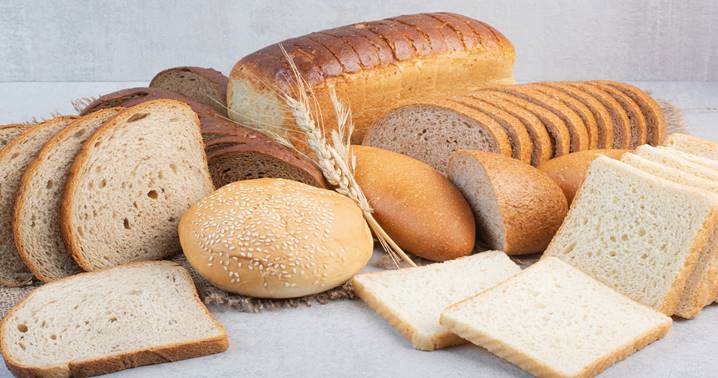
Why Excess Sodium Is Dangerous
Sodium is an essential mineral that helps regulate fluids, nerve function, and muscle contractions. However, consuming too much sodium forces the body to retain extra water. This increases blood volume and places additional pressure on blood vessels and the heart.
Over time, excessive sodium intake can contribute to:
- High blood pressure (hypertension)
- Increased risk of heart attack
- Stroke
- Heart failure
- Kidney disease
- Damage to blood vessels
High blood pressure is especially concerning because it often develops silently without obvious symptoms. Many individuals may not realize their cardiovascular system is under stress until serious complications occur.
Research consistently shows that diets high in sodium and processed foods are strongly linked to cardiovascular disease. Reducing sodium intake is one of the simplest yet most effective ways to support heart health.
Common High-Sodium Foods
Many everyday foods contain hidden sodium. Being aware of these items can help consumers make healthier decisions.
Processed Meats: Ham, bacon, hot dogs, and deli meats are heavily preserved with salt and sodium-based additives.
Fast Food: Fast food meals often contain extremely high sodium levels due to processed ingredients, sauces, and seasonings.
Canned Foods: Soups, beans, and canned vegetables may contain added sodium for preservation. Choosing “low-sodium” versions is often a better option.
Frozen Meals: Ready-made frozen dinners are convenient but frequently contain excessive sodium to maintain taste and texture.
Snack Foods: Chips, crackers, and salted nuts can significantly increase sodium intake when consumed regularly.
Condiments and Sauces: Soy sauce, ketchup, barbecue sauce, and salad dressings may contain surprisingly high sodium levels even in small servings.
What Health Agencies Are Saying
Health organizations worldwide continue to raise awareness about the dangers of excessive sodium consumption and unhealthy diets.
CDC Warnings
The Centers for Disease Control and Prevention emphasizes that high sodium intake is a major contributor to high blood pressure and cardiovascular disease. The agency encourages consumers to read food labels carefully, reduce processed food intake, and prepare more meals at home using fresh ingredients.
Public health experts also warn that children and teenagers are increasingly exposed to high-sodium diets through packaged snacks and fast food, potentially increasing long-term health risks from an early age.
WHO Recommendations
The World Health Organization has launched global initiatives encouraging countries and food manufacturers to reduce sodium levels in processed foods. The organization identifies sodium reduction as a key strategy for lowering rates of heart disease and stroke worldwide.
WHO experts recommend improving public awareness, promoting healthier food environments, and encouraging balanced diets rich in natural, nutrient-dense foods.
Signs You May Be Consuming Too Much Sodium
Many people consume excessive sodium without realizing it. Some common warning signs include:
- Frequent bloating
- Swelling in hands, feet, or ankles
- Persistent thirst
- Headaches
- Fatigue
- Elevated blood pressure
In some cases, there may be no noticeable symptoms at all. This is why regular health checkups and blood pressure monitoring are important for early detection of cardiovascular risk factors.
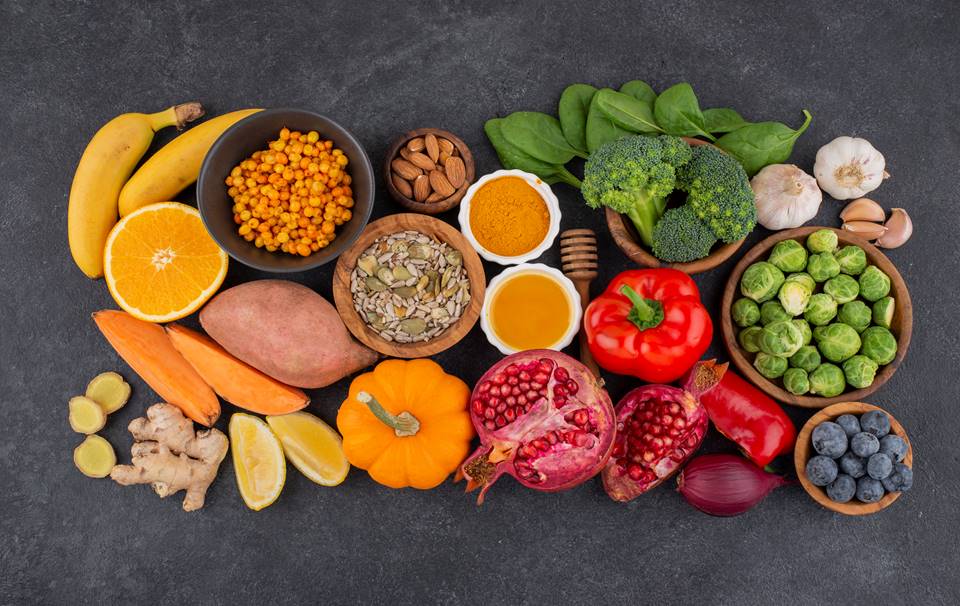
Heart-Healthy Foods to Add to Your Diet
Making healthier food choices can significantly reduce cardiovascular risk and improve overall wellness. A heart-friendly diet focuses on fresh, minimally processed foods that are naturally lower in sodium and rich in nutrients.
Recommended Foods
Fruits and Vegetables: Fresh fruits and vegetables provide vitamins, minerals, antioxidants, and fiber that support heart health and help regulate blood pressure.
Whole Grains: Brown rice, oats, quinoa, and whole wheat products contain fiber that supports healthy cholesterol levels and digestion.
Nuts and Seeds: Almonds, walnuts, flaxseeds, and chia seeds contain healthy fats that may reduce inflammation and support cardiovascular health.
Lean Proteins: Skinless poultry, beans, lentils, and tofu provide protein without excessive saturated fat or sodium.
Fatty Fish: Salmon, sardines, and mackerel are rich in omega-3 fatty acids, which support heart and brain health.
Low-Sodium Alternatives: Choosing low-sodium soups, sauces, snacks, and seasonings can help reduce overall sodium intake without sacrificing flavor.
Include Dietary Patterns
Mediterranean Diet
The Mediterranean diet emphasizes vegetables, fruits, olive oil, fish, legumes, and whole grains. Research consistently links this diet to lower rates of heart disease and improved longevity.
DASH Diet
The DASH diet was specifically designed to help lower blood pressure. It focuses on reducing sodium while increasing nutrient-rich foods like fruits, vegetables, lean proteins, and low-fat dairy products.
Key Takeaway
Processed foods and excessive sodium consumption are major contributors to rising cardiovascular health concerns worldwide. While sodium is necessary for normal body function, too much can place dangerous strain on the heart and blood vessels over time.
By reducing processed food intake, reading nutrition labels carefully, and adopting healthier dietary patterns like the Mediterranean or DASH diet, individuals can significantly improve their heart health and lower their risk of chronic disease.