

What is Vitamin B6?
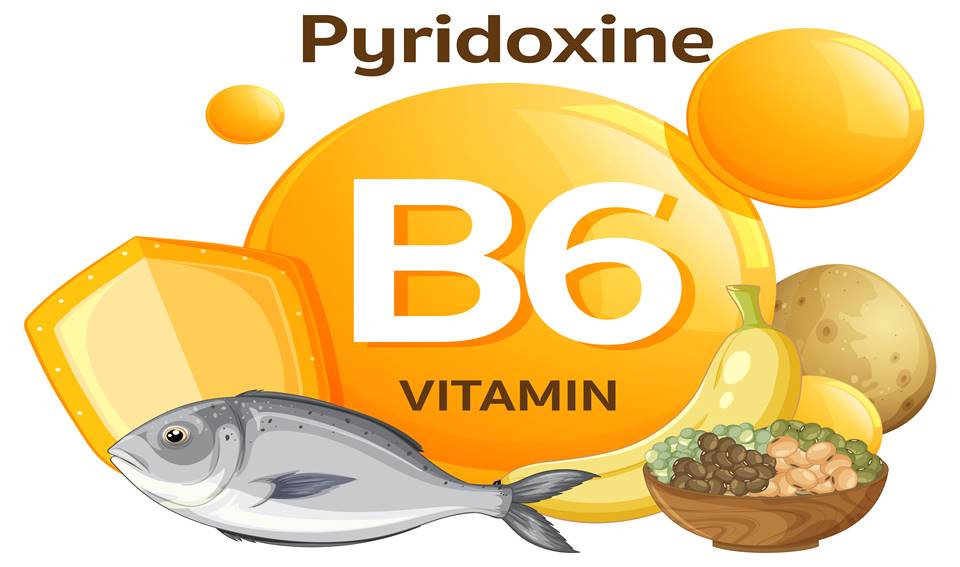
Vitamin B6 is a water-soluble vitamin that belongs to the B-complex family and plays a critical role in more than 100 enzymatic reactions in the body. It exists in several forms, including pyridoxine, pyridoxal, and pyridoxamine, with pyridoxal-5-phosphate (PLP) being the active coenzyme form. Vitamin B6 is involved in protein metabolism, neurotransmitter synthesis, immune regulation, hemoglobin formation, and energy production.
Because the human body cannot produce sufficient amounts of vitamin B6 on its own, it must be obtained through dietary sources such as poultry, fish, potatoes, bananas, chickpeas, fortified cereals, and dietary supplements. Although deficiency is relatively uncommon in healthy individuals, inadequate intake, certain medications, chronic illnesses, and pregnancy can increase the risk.
Why Vitamin B6 is Important for Health
1. Cardiovascular Disease
Vitamin B6 plays an important role in cardiovascular health by helping regulate homocysteine metabolism. Homocysteine is an amino acid that, when elevated in the bloodstream, has been associated with an increased risk of heart disease, stroke, and vascular complications.
Vitamin B6 works alongside vitamin B12 and folate to convert homocysteine into harmless compounds. Clinical studies have shown that adequate intake of these vitamins can significantly reduce homocysteine concentrations. A landmark study published in the New England Journal of Medicine reported that elevated homocysteine levels are an independent risk factor for cardiovascular disease (Stampfer et al., 1992).
Research published in Circulation also demonstrated that vitamin B6 deficiency is associated with inflammation and endothelial dysfunction, both of which contribute to atherosclerosis and cardiovascular events (Friso et al., 2002). Therefore, maintaining optimal vitamin B6 status may support long-term heart health.
2. Cognitive Function
Vitamin B6 is essential for normal brain development and neurological function. It participates in the synthesis of important neurotransmitters, including serotonin, dopamine, gamma-aminobutyric acid (GABA), and norepinephrine. These neurotransmitters influence mood, memory, learning, and cognitive performance.
Low vitamin B6 levels have been linked with depression, impaired cognition, and age-related cognitive decline. A large study published in the American Journal of Clinical Nutrition found that inadequate levels of B vitamins, including vitamin B6, were associated with poorer cognitive performance in older adults (Morris et al., 2007).
Furthermore, the VITACOG trial demonstrated that supplementation with B vitamins may slow brain atrophy in elderly individuals with elevated homocysteine levels and mild cognitive impairment (Smith et al., 2010). These findings highlight the importance of vitamin B6 in supporting healthy brain aging and mental well-being.
3. Cancer
Emerging evidence suggests that vitamin B6 may play a protective role against certain cancers due to its involvement in DNA synthesis, repair mechanisms, and immune regulation.
A meta-analysis published in the Journal of the National Cancer Institute reported that higher blood levels of pyridoxal-5-phosphate were associated with a lower risk of colorectal cancer (Larsson et al., 2010). Researchers believe that adequate vitamin B6 may help reduce inflammation and oxidative stress, both of which are known contributors to cancer development.
While these findings are promising, vitamin B6 should not be viewed as a cancer treatment. Instead, maintaining adequate vitamin B6 levels as part of a balanced diet may contribute to overall cellular health and cancer prevention strategies.
4. Morning Sickness
One of the most well-established therapeutic uses of vitamin B6 is the management of nausea and vomiting during pregnancy, commonly known as morning sickness.
The American College of Obstetricians and Gynecologists (ACOG) recommends vitamin B6 as a first-line treatment for mild to moderate nausea and vomiting in pregnancy. Clinical trials have consistently shown that pyridoxine supplementation significantly reduces pregnancy-related nausea compared with placebo.
A randomized controlled trial published in Obstetrics & Gynecology demonstrated that vitamin B6 supplementation effectively reduced nausea severity in pregnant women without adverse effects on maternal or fetal health (Vutyavanich et al., 1995). Because of its strong safety profile, vitamin B6 remains one of the most commonly recommended interventions for morning sickness.
Signs and Symptoms of Vitamin B6 Deficiency
Vitamin B6 deficiency can affect multiple body systems because of its broad physiological functions.
Anemia
Vitamin B6 helps the body produce hemoglobin, the oxygen-carrying protein in red blood cells. Inadequate vitamin B6 can impair hemoglobin synthesis and contribute to microcytic or sideroblastic anemia. Individuals with deficiency may experience fatigue, weakness, shortness of breath, and pale skin.
Skin Conditions
Dermatological manifestations are common signs of vitamin B6 deficiency. Symptoms may include scaling of the lips, cracks at the corners of the mouth (angular cheilitis), swollen or inflamed tongue (glossitis), and eczema-like skin rashes.
Neurological Issues
Vitamin B6 is crucial for neurotransmitter production and nervous system function. Severe deficiency may result in depression, irritability, confusion, seizures, and peripheral neuropathy characterized by numbness and tingling sensations in the hands and feet.
Weakened Immune Function
Vitamin B6 contributes to immune cell development, antibody production, and inflammatory regulation. Deficiency may reduce immune defenses, making individuals more susceptible to infections and delayed recovery from illness.
Nausea and Vomiting
Although uncommon in adults, severe vitamin B6 deficiency may contribute to nausea and vomiting. These symptoms are more frequently observed in infants and young children with significant nutritional deficiencies.
Effects in Infants and Pregnancy
In newborns and infants, vitamin B6 deficiency can lead to irritability, convulsions, developmental delays, and abnormal brain development. During pregnancy, deficiency may impair fetal growth and increase the risk of neurological abnormalities in the developing baby.

How Can Vitamin B6 Deficiency Be Prevented or Treated?
Prevention begins with consuming a balanced diet rich in vitamin B6-containing foods. Excellent sources include chicken, turkey, salmon, tuna, potatoes, bananas, chickpeas, sunflower seeds, fortified cereals, and whole grains.
The Recommended Dietary Allowance (RDA) for adults ranges from approximately 1.3 to 1.7 mg per day, depending on age and sex. Pregnant and breastfeeding women require slightly higher amounts.
Individuals at increased risk of deficiency include older adults, people with kidney disease, autoimmune disorders, alcohol dependence, malabsorption syndromes, and those taking medications such as isoniazid, hydralazine, or certain anticonvulsants.
Treatment generally involves correcting the underlying cause and providing vitamin B6 supplementation under medical supervision. Most deficiency symptoms improve significantly once adequate vitamin B6 levels are restored.
Special Precautions and Warnings
Pregnancy
Vitamin B6 is generally considered safe during pregnancy when used at recommended doses. However, excessive doses should only be taken under healthcare supervision.
Breast-feeding
Vitamin B6 is naturally present in breast milk and is important for infant growth and neurological development. Extremely high doses, however, may reduce milk production and should be avoided unless specifically recommended by a healthcare professional.
Bottom Line
Vitamin B6 is an essential nutrient that supports cardiovascular health, brain function, immune defense, red blood cell formation, and healthy pregnancy. Clinical research indicates that adequate vitamin B6 levels may help reduce cardiovascular risk factors, support cognitive performance, lower the risk of certain cancers, and relieve morning sickness. Deficiency can lead to anemia, skin disorders, neurological symptoms, weakened immunity, and developmental complications in infants. Maintaining a balanced diet rich in vitamin B6-containing foods and addressing deficiency promptly can help promote long-term health and overall well-being.
References
- Bouillon R, et al. Vitamin D and Human Health. The Lancet Diabetes & Endocrinology. 2022.
- Stabler SP. Vitamin B12 Deficiency. New England Journal of Medicine. 2013;368:149-160.
- Hemilä H, Chalker E. Vitamin C for Preventing and Treating the Common Cold. Cochrane Database of Systematic Reviews. 2013.
- World Health Organization (WHO). Vitamin A Supplementation Guidelines.
- National Institutes of Health Office of Dietary Supplements. Vitamin E Fact Sheet for Health Professionals. 2024.
- Beulens JWJ, Booth SL, van den Heuvel EGHM, et al. The Role of Vitamin K in Human Health. Nutrients. 2020;12(5):1380.
- Clarke R, Halsey J, Lewington S, et al. Effects of Lowering Homocysteine Levels with B Vitamins. BMJ. 2010.