
What Is Iron?
Iron is an essential mineral that plays a fundamental role in human health. It is a critical component of hemoglobin, the protein found in red blood cells that carries oxygen from the lungs to tissues throughout the body. Iron is also a key part of myoglobin, a protein that supplies oxygen to muscles, enabling normal physical activity and energy production.
Because the body cannot produce iron on its own, it must be obtained through dietary sources. Iron exists in two forms in food: heme iron, found primarily in animal-based foods, and non-heme iron, found in plant-based foods. Heme iron is generally absorbed more efficiently by the body than non-heme iron.
Iron deficiency is one of the most common nutritional deficiencies worldwide and can affect people of all ages. Women of reproductive age, pregnant women, growing children, adolescents, athletes, and individuals following restrictive diets are particularly vulnerable to inadequate iron intake. Clinical evidence shows that maintaining adequate iron levels is essential for oxygen transport, immune function, cognitive performance, and overall health.
What Does Iron Do for the Body?
Iron supports several vital physiological functions that are necessary for daily health and well-being. Its primary role is facilitating oxygen transport throughout the body. Hemoglobin relies on iron to bind oxygen in the lungs and deliver it to tissues and organs, where it is used for energy production and cellular function.
Iron is also crucial for energy metabolism. Cells require oxygen to produce energy efficiently, and insufficient iron can lead to fatigue, weakness, and reduced physical performance. Research has consistently shown that iron deficiency can impair work capacity, exercise endurance, and overall productivity.
Another important function of iron is supporting brain health and cognitive performance. Iron is involved in neurotransmitter production and normal brain development. Adequate iron levels are associated with better concentration, memory, learning ability, and mental performance, particularly in children and adolescents.
Iron plays a significant role in immune function as well. It helps immune cells grow and function properly, enabling the body to defend itself against infections and illnesses. Clinical studies indicate that iron deficiency may weaken immune responses and increase susceptibility to infections.
Additionally, iron contributes to healthy pregnancy outcomes. During pregnancy, iron requirements increase substantially because of expanded blood volume and the developing fetus’s needs. Adequate iron intake helps support maternal health and fetal growth while reducing the risk of iron-deficiency anemia.
Best Sources of Iron
Obtaining iron through a balanced diet is the most effective way to maintain healthy iron levels. Both animal-based and plant-based foods can contribute significantly to daily iron intake.
Red Meat
Red meat is one of the richest sources of highly absorbable heme iron. Beef, lamb, and other lean red meats provide substantial amounts of iron along with high-quality protein, zinc, and vitamin B12. Clinical evidence suggests that heme iron from meat is absorbed more efficiently than iron from plant foods.
Liver and Organ Meats
Liver is among the most nutrient-dense foods available and contains exceptionally high levels of iron. It is also rich in vitamin A, vitamin B12, folate, and other nutrients essential for red blood cell production. Consuming liver occasionally can significantly boost iron intake.
Poultry
Chicken and turkey provide moderate amounts of heme iron and are valuable additions to an iron-rich diet. Dark meat portions generally contain more iron than white meat. Poultry also offers lean protein that supports muscle health and overall wellness.
Seafood
Shellfish such as oysters, clams, mussels, and shrimp are excellent sources of iron. Oysters and clams, in particular, are among the richest dietary sources. Seafood also provides essential minerals and omega-3 fatty acids that support heart and brain health.
Spinach
Spinach is one of the most popular plant-based sources of iron. Although it contains non-heme iron, it also supplies folate, vitamin C, antioxidants, and other nutrients that contribute to overall health. Pairing spinach with vitamin C-rich foods can improve iron absorption.
Lentils
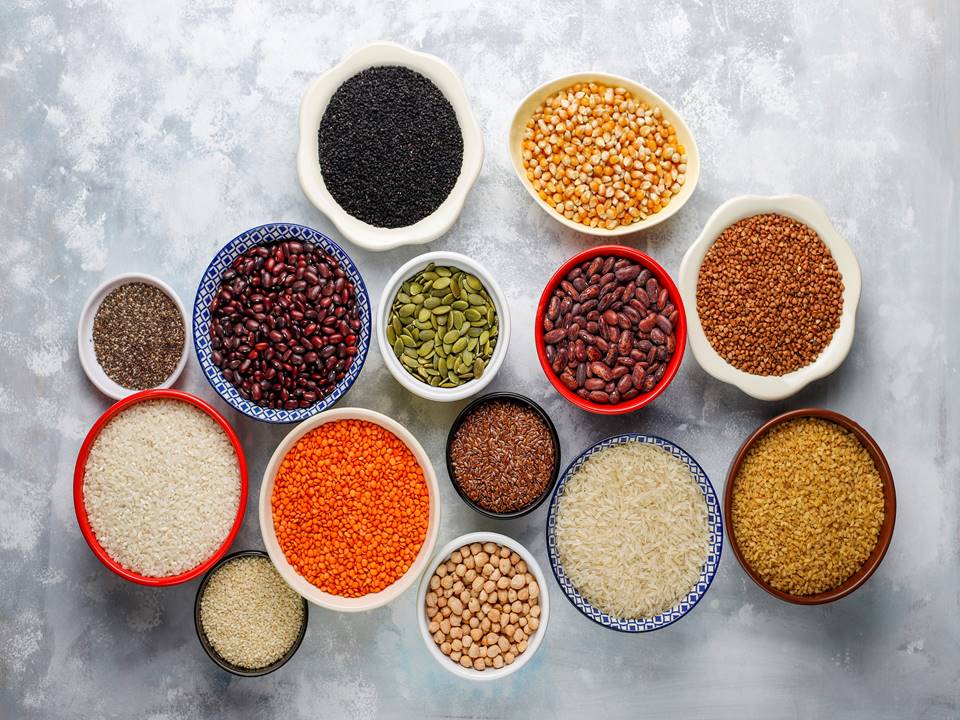
Lentils are nutrient-dense legumes that provide iron, protein, fiber, and complex carbohydrates. Regular consumption of lentils has been associated with improved nutrient intake and better metabolic health. They are particularly beneficial for vegetarians and vegans seeking plant-based iron sources.
Beans and Chickpeas
Kidney beans, black beans, white beans, and chickpeas contain significant amounts of non-heme iron. These foods also provide fiber, protein, and important minerals that support digestive and cardiovascular health.
Tofu
Tofu is an excellent plant-based source of iron and protein. It is widely used in vegetarian and vegan diets and can help individuals meet their daily iron requirements while supporting overall nutritional adequacy.
Pumpkin Seeds
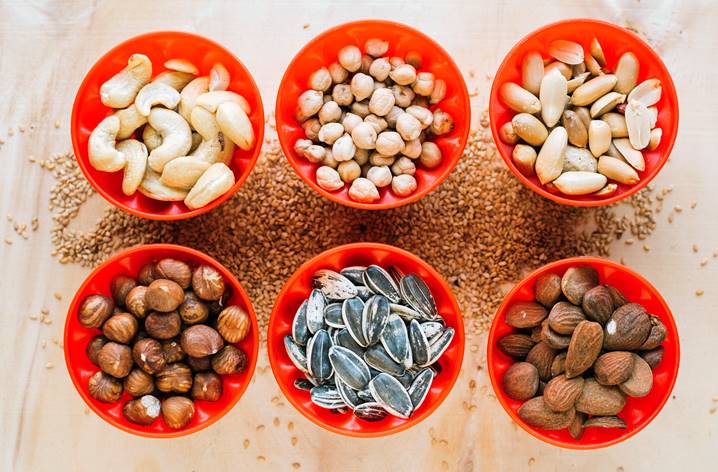
Pumpkin seeds are rich in iron, magnesium, zinc, and healthy fats. They make a convenient and nutritious snack that can contribute to improved iron intake. Adding pumpkin seeds to salads, yogurt, or smoothies is an easy way to boost dietary iron.
Fortified Cereals
Many breakfast cereals are fortified with iron and can provide a significant portion of daily iron needs. Choosing whole-grain, low-sugar fortified cereals can help improve iron intake, especially for children and adults with increased requirements.
Dried Fruits
Dried apricots, raisins, prunes, and dates contain moderate amounts of iron along with fiber and antioxidants. These foods can be useful additions to an iron-rich diet, particularly when combined with vitamin C-rich fruits to enhance absorption.
Dark Chocolate
Dark chocolate contains iron and beneficial antioxidants known as flavonoids. Consumed in moderation, dark chocolate can contribute to iron intake while offering additional cardiovascular benefits.
Tips to Improve Iron Absorption
The body absorbs iron more effectively when iron-rich foods are consumed with vitamin C-rich foods such as oranges, lemons, strawberries, kiwi, tomatoes, and bell peppers. Vitamin C enhances the absorption of non-heme iron found in plant foods.
Conversely, tea, coffee, and calcium-rich foods may reduce iron absorption when consumed alongside iron-rich meals. Individuals with increased iron requirements should consider spacing these foods and beverages away from main meals whenever possible.
Bottom Line
Iron is an essential mineral that supports oxygen transport, energy production, brain function, immune health, and overall well-being. Clinical evidence consistently demonstrates that adequate iron intake is necessary for preventing iron-deficiency anemia and maintaining optimal physical and cognitive performance.
The best sources of iron include red meat, liver, poultry, seafood, spinach, lentils, beans, tofu, pumpkin seeds, fortified cereals, dried fruits, and dark chocolate. Incorporating a variety of these foods into a balanced diet can help meet daily iron needs while supporting long-term health.
By prioritizing iron-rich foods and adopting strategies to enhance iron absorption, individuals can maintain healthy iron levels, improve energy, support immune function, and promote overall wellness throughout life.