


What Is Back Pain?
Back pain is one of the most common musculoskeletal disorders worldwide and a leading cause of disability. It can affect the cervical (neck), thoracic (mid-back), or lumbar (lower back) regions of the spine, with low back pain being the most frequently reported form. According to The Lancet, low back pain is among the leading causes of years lived with disability globally (Hartvigsen et al., 2018).
The spine consists of vertebrae, discs, muscles, ligaments, tendons, and nerves that work together to provide stability and movement. Damage, inflammation, degeneration, or excessive strain affecting any of these structures can trigger pain. Most cases are classified as non-specific back pain, meaning no serious underlying disease is identified. However, conditions such as herniated discs, osteoarthritis, spinal stenosis, fractures, and nerve compression can also contribute to symptoms.
Back pain may appear suddenly following an injury or develop gradually due to poor posture, prolonged sitting, obesity, repetitive movements, or age-related changes. While many cases resolve within a few weeks, chronic back pain can persist for months and significantly impact daily life.
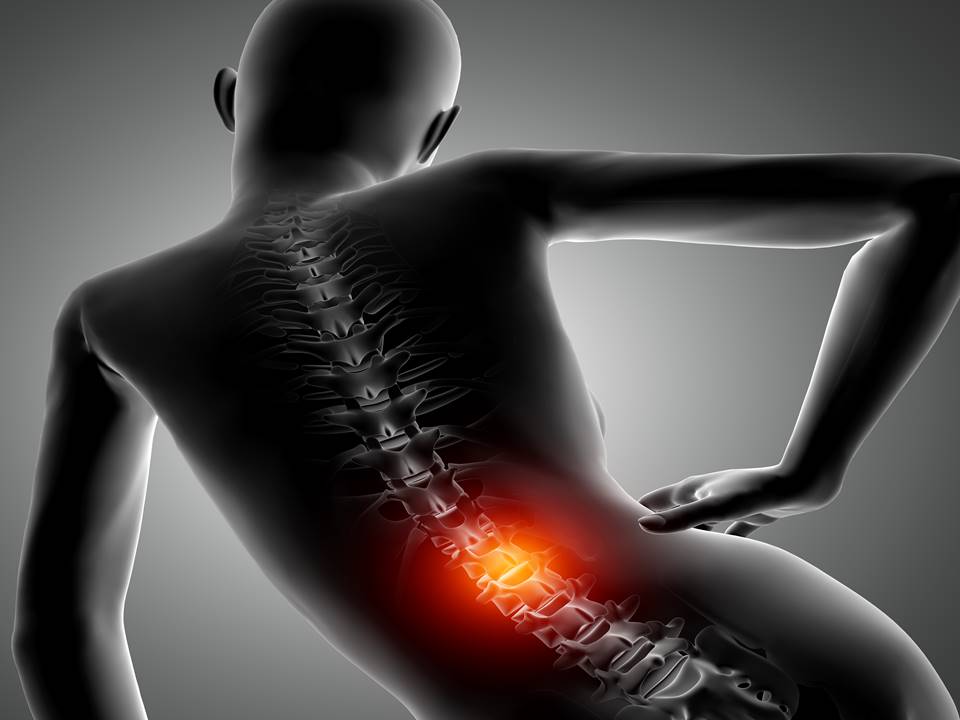
Symptoms and Common Causes of Back Pain
The hallmark symptom of back pain is discomfort, stiffness, or aching in the spine. Some individuals experience mild intermittent pain, whereas others develop severe symptoms that interfere with work, exercise, and sleep. The pain may worsen with bending, lifting, twisting, prolonged standing, or sitting.
In many cases, muscle and ligament strains are responsible for symptoms. Poor lifting techniques, sudden movements, or repetitive physical stress can overstretch supporting tissues and lead to pain. Degenerative disc disease, which becomes more common with age, may also contribute to chronic discomfort and reduced mobility.
A herniated disc can irritate nearby nerves and cause pain that radiates into the arms or legs. Sciatica is a common example of nerve-related back pain and typically causes pain extending from the lower back into one leg. Numbness, tingling, burning sensations, and muscle weakness may accompany nerve involvement.
Other risk factors include obesity, smoking, sedentary lifestyles, poor ergonomics, and chronic stress. Research suggests that smoking contributes to spinal degeneration and increases the risk of chronic back pain (Hartvigsen et al., 2018).
Certain warning signs require immediate medical attention, including unexplained weight loss, fever, severe trauma, progressive weakness, loss of bladder or bowel control, or persistent pain that fails to improve.

How Is Back Pain Diagnosed?
Diagnosis typically begins with a detailed medical history and physical examination. Healthcare providers evaluate the location, duration, and severity of symptoms while assessing posture, flexibility, muscle strength, reflexes, and neurological function.
Most episodes of acute back pain do not require imaging because symptoms often improve with conservative care. Clinical guidelines recommend avoiding routine imaging unless serious pathology is suspected (Qaseem et al., 2017).
When necessary, X-rays may identify fractures or structural abnormalities, while MRI scans provide detailed images of discs, nerves, and soft tissues. CT scans are occasionally used in complex cases. Blood tests may help identify inflammatory disorders, infections, or autoimmune conditions that contribute to symptoms.
Accurate diagnosis is essential because treatment strategies depend on the underlying cause of pain rather than the symptoms alone.
How Can You Prevent Back Pain?
Preventing back pain requires consistent attention to physical fitness, posture, and overall health. Regular exercise is among the most effective preventive measures. A systematic review published in JAMA Internal Medicine found that exercise programs significantly reduce the risk of recurrent low back pain (Steffens et al., 2016).
Activities such as walking, swimming, cycling, yoga, and strength training help maintain flexibility and support spinal function. Strengthening the core muscles is particularly important because these muscles stabilize the spine and reduce mechanical stress.
Maintaining a healthy body weight can decrease strain on spinal structures. Good posture while sitting, standing, and lifting objects helps prevent excessive pressure on the back. Individuals who work at desks should ensure proper workstation ergonomics and take regular breaks to move throughout the day.
Adequate sleep, stress management, and smoking cessation further support spinal health and may reduce the likelihood of chronic pain.
Can Natural Supplements Cure Back Pain?
Natural supplements are frequently marketed as solutions for back pain, but scientific evidence does not support the claim that they can cure the condition. Because back pain often has multiple contributing factors, a single supplement is unlikely to address all underlying causes.
Certain supplements may provide supportive benefits. Curcumin, the active compound in turmeric, has demonstrated anti-inflammatory effects and may modestly improve musculoskeletal pain symptoms (Pagano et al., 2021). Omega-3 fatty acids may also support healthy inflammatory responses and musculoskeletal function.
Vitamin D supplementation may help individuals with documented deficiency, while magnesium supports normal muscle and nerve function. Boswellia serrata has shown anti-inflammatory properties in several musculoskeletal conditions, although evidence specific to chronic back pain remains limited.
Current clinical guidelines emphasize that supplements should be viewed as complementary approaches rather than primary treatments. Exercise therapy, physical rehabilitation, healthy lifestyle habits, and appropriate medical care remain the most effective strategies for long-term back pain management (Qaseem et al., 2017).
Bottom Line
Back pain is a common health condition that can result from muscle strain, disc degeneration, nerve compression, poor posture, and lifestyle-related factors. Symptoms may range from mild stiffness to severe pain with numbness and weakness. Most cases can be diagnosed through clinical evaluation, while prevention relies on regular exercise, weight management, proper posture, and healthy daily habits. Although supplements such as curcumin, omega-3 fatty acids, magnesium, vitamin D, and Boswellia may offer supportive benefits, they are not cures for back pain. Evidence consistently supports a comprehensive approach combining physical activity, lifestyle modifications, and appropriate medical care for lasting relief and improved spinal health.
References
- Hartvigsen J, Hancock MJ, Kongsted A, et al. What low back pain is and why we need to pay attention. The Lancet. 2018;391(10137):2356-2367.
- Qaseem A, Wilt TJ, McLean RM, Forciea MA. Noninvasive treatments for acute, subacute, and chronic low back pain: A clinical practice guideline from the American College of Physicians. Annals of Internal Medicine. 2017;166(7):514-530.
- Steffens D, Maher CG, Pereira LS, et al. Prevention of low back pain: A systematic review and meta-analysis. JAMA Internal Medicine. 2016;176(2):199-208.
- Pagano E, Romano B, Izzo AA, Borrelli F. The clinical efficacy of curcumin for musculoskeletal pain conditions: A systematic review. Nutrients. 2021;13(4):1315.