

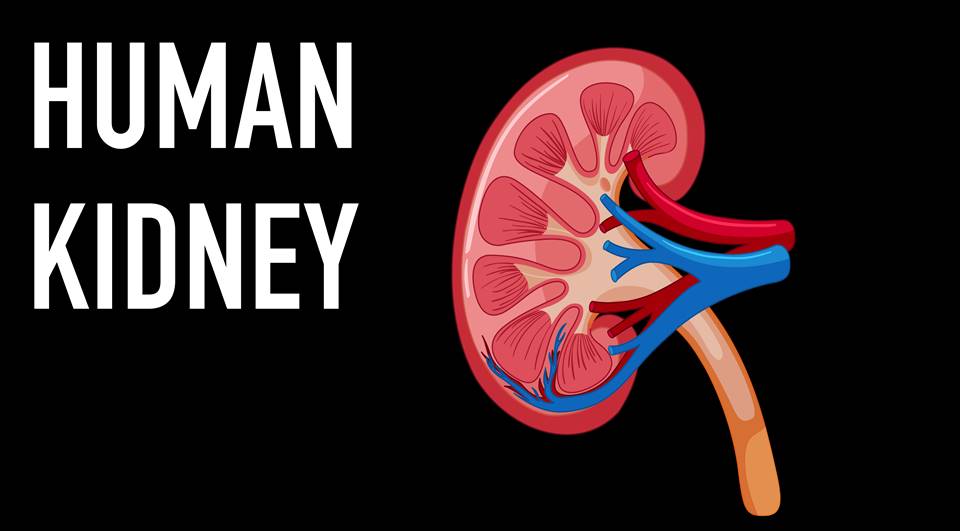
What Is Chronic Kidney Disease (CKD)
Chronic Kidney Disease (CKD) is a long-term condition in which the kidneys gradually lose their ability to filter waste products, excess fluids, and toxins from the blood and eventually lead to kidney failure if left untreated (KDIGO, 2024).
CKD is a major global public health concern affecting approximately 10% of the world’s population. The Global Burden of Disease Study identified CKD as one of the leading causes of mortality worldwide, with prevalence continuing to rise due to increasing rates of diabetes, hypertension, obesity, and aging populations (GBD Chronic Kidney Disease Collaboration, 2020).
Why Healthy Kidneys Are Essential for Overall Well-Being
The kidneys are vital organs that perform several life-sustaining functions beyond waste removal. They regulate fluid balance, maintain electrolyte levels, control blood pressure, support red blood cell production through erythropoietin secretion, and help activate vitamin D for bone health.
When kidney function declines, waste products accumulate in the bloodstream, leading to complications affecting nearly every organ system. CKD increases the risk of cardiovascular disease, anemia, bone disorders, electrolyte imbalances, and premature death. Research published in The Lancet has shown that cardiovascular disease remains the leading cause of death among people with CKD, highlighting the close connection between kidney and heart health (Bikbov et al., 2020).
Maintaining kidney health is therefore essential not only for preserving renal function but also for supporting overall physical health, metabolic balance, and longevity.
Major Causes and Risk Factors of Chronic Kidney Disease
Several medical conditions and lifestyle factors can damage the kidneys over time.
Diabetes Mellitus
Diabetes is the leading cause of CKD worldwide. Elevated blood glucose levels can damage the small blood vessels within the kidneys, impairing their filtering ability. Studies indicate that approximately 30-40% of people with diabetes eventually develop diabetic kidney disease (American Diabetes Association, 2024).
High Blood Pressure (Hypertension)
Persistent hypertension places excessive pressure on kidney blood vessels, causing progressive damage. Hypertension is both a cause and consequence of CKD, creating a harmful cycle that accelerates disease progression.
Long-Term Use of Certain Medications
Frequent use of nonsteroidal anti-inflammatory drugs (NSAIDs) such as ibuprofen, diclofenac, and naproxen may increase the risk of kidney injury, especially in individuals with pre-existing kidney disease.
Other Risk Factors
Additional contributors include smoking, cardiovascular disease, recurrent kidney infections, urinary tract obstruction, autoimmune disorders such as lupus, advancing age, and a family history of kidney disease.

Early Warning Signs and Symptoms You Should Not Ignore
One of the greatest challenges in CKD management is that symptoms often remain absent until substantial kidney damage has occurred. Nevertheless, several warning signs may emerge as kidney function declines.
Persistent Fatigue and Weakness
Reduced kidney function can cause anemia due to decreased erythropoietin production. This often results in chronic tiredness, reduced stamina, and difficulty concentrating.
Swelling in the Legs, Feet, Ankles, or Face
Damaged kidneys may struggle to remove excess fluid and sodium, leading to edema in various parts of the body.
Changes in Urination
Individuals may notice increased nighttime urination, foamy urine, blood in the urine, reduced urine output, or difficulty urinating.
High Blood Pressure
Kidney dysfunction can contribute to elevated blood pressure, while uncontrolled hypertension can further damage the kidneys.
Loss of Appetite and Nausea
Accumulation of waste products in the blood may cause nausea, vomiting, metallic taste in the mouth, and decreased appetite.
Muscle Cramps and Sleep Disturbances
Electrolyte imbalances, especially involving calcium and phosphorus, can contribute to muscle cramps, restless legs syndrome, and poor sleep quality.
Because these symptoms are often nonspecific, regular screening is crucial for people with risk factors.
Why Early Diagnosis and Timely Management Matter
Early diagnosis offers the best opportunity to slow CKD progression and reduce complications. Clinical evidence consistently demonstrates that timely intervention can significantly delay the need for dialysis or kidney transplantation.
Routine screening generally includes:
- Blood tests to measure serum creatinine and estimate eGFR
- Urine tests to detect albumin or protein leakage
- Blood pressure monitoring
- Kidney imaging studies when indicated
The KDIGO guidelines recommend regular kidney function assessments for individuals with diabetes, hypertension, cardiovascular disease, and other high-risk conditions.
Treatment strategies focus on addressing underlying causes and preserving remaining kidney function. Key interventions include:
- Strict blood pressure control
- Effective diabetes management
- Reducing dietary sodium intake
- Maintaining a healthy body weight
- Engaging in regular physical activity
- Smoking cessation
- Avoiding unnecessary use of nephrotoxic medications
Several large clinical trials have shown that angiotensin-converting enzyme (ACE) inhibitors and angiotensin receptor blockers (ARBs) help reduce proteinuria and slow CKD progression. More recently, sodium-glucose cotransporter-2 (SGLT2) inhibitors such as dapagliflozin and empagliflozin have demonstrated significant kidney-protective benefits in patients with and without diabetes (Heerspink et al., 2020; EMPA-KIDNEY Collaborative Group, 2023).
When Should You Consult a Healthcare Professional?
Medical evaluation should be sought if you experience:
- Persistent swelling of the feet, ankles, hands, or face
- Unexplained fatigue or weakness
- Blood in the urine
- Foamy urine
- Persistent high blood pressure
- Frequent nighttime urination
- Ongoing nausea or loss of appetite
- Family history of kidney disease
- Diabetes or hypertension with no recent kidney screening
Individuals with diabetes, hypertension, obesity, cardiovascular disease, or a family history of kidney disorders should undergo periodic kidney health assessments even in the absence of symptoms.
Bottom Line
Chronic Kidney Disease is a progressive condition that often develops silently but can lead to serious health complications, including kidney failure and cardiovascular disease. Diabetes and hypertension remain the most common causes, although genetic factors, obesity, autoimmune diseases, and long-term medication use may also contribute. Evidence-based interventions including blood pressure control, diabetes management, healthy lifestyle habits, and appropriate medications can substantially slow disease progression and improve long-term outcomes. Protecting kidney health today can help preserve overall health and quality of life for years to come.
References
- Perazella MA. Drug-Induced Acute Kidney Injury. Clinical Journal of the American Society of Nephrology. 2018.
- KDIGO Clinical Practice Guideline for Acute Kidney Injury. Kidney International Supplements. 2012.
- National Kidney Foundation. Pain Medicines and Kidney Disease.
- National Institute of Diabetes and Digestive and Kidney Diseases (NIDDK). Kidney Disease Overview.
- Jha V et al. Chronic Kidney Disease: Global Dimension and Perspectives. The Lancet. 2013.
- Ku E et al. Hypertension and Kidney Disease Progression. JAMA.
- Kidney International. Clinical Features of Chronic Kidney Disease.
- World Health Organization. Chronic Kidney Disease and Noncommunicable Diseases Resources.