

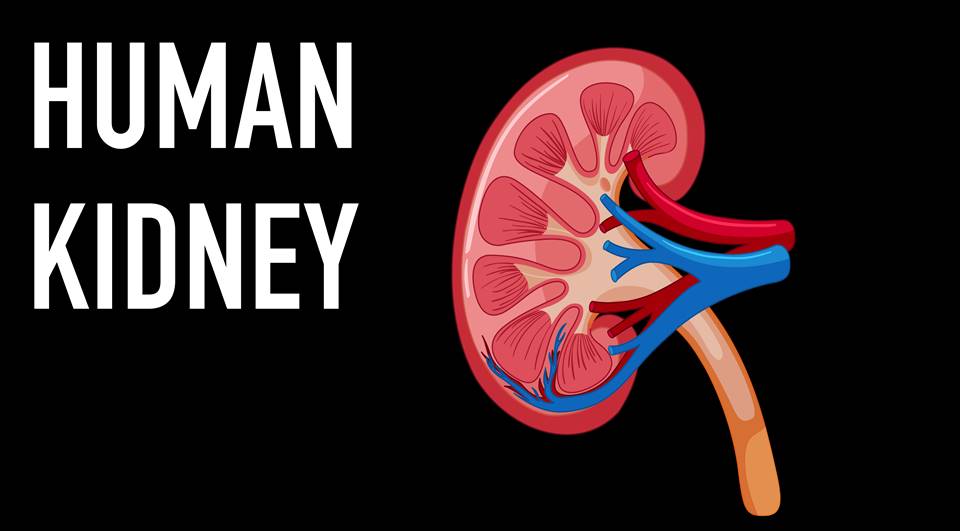
Chronic Kidney Disease (CKD) is a long-term condition characterized by the gradual loss of kidney function over time.
The kidneys are essential for eliminating waste, preserving fluid balance, controlling blood pressure, and promoting bone health. The body’s capacity to eliminate extra fluid, poisons, and minerals is compromised when kidney function deteriorates. In order to slow the progression of the disease and enhance quality of life, diet and nutrition are just as important as medications and routine medical monitoring in the management of chronic kidney disease.
According to research, dietary changes can dramatically lower the incidence of cardiovascular problems, declining kidney function, and the development of end-stage kidney disease (Kalantar-Zadeh et al., 2020). A carefully thought-out kidney-friendly diet guarantees sufficient nutrients while lessening the strain on the kidneys.
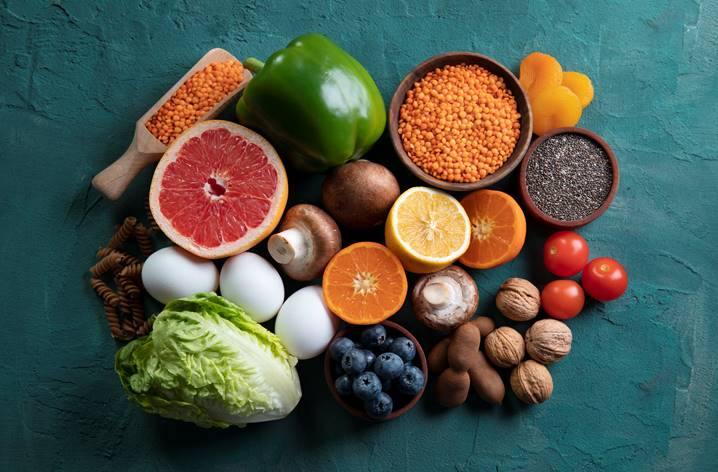
Foods That Support Kidney Health
Nutrition recommendations for CKD vary depending on disease stage, laboratory values, and underlying conditions such as diabetes or hypertension. However, certain food groups are generally encouraged due to their beneficial nutrient profile.
1. Fresh Fruits: Nature’s Source of Antioxidants
Fresh fruits provide vitamins, minerals, dietary fiber, and antioxidants that help combat oxidative stress, a major contributor to CKD progression. Fruits such as apples, berries, grapes, pears, and peaches are often recommended because they are relatively lower in potassium compared with bananas and oranges. Antioxidants found in fruits may help reduce inflammation and protect blood vessels, which is particularly important because cardiovascular disease is a leading cause of death among CKD patients (Kidney Disease: Improving Global Outcomes [KDIGO], 2024).
Patients with advanced CKD should consult healthcare professionals regarding fruit selection because potassium restrictions may be necessary depending on blood potassium levels.
2. Vegetables: Essential Nutrients with Protective Benefits
Vegetables contribute fiber, vitamins, and phytochemicals that support overall health. Non-starchy vegetables such as cabbage, cauliflower, bell peppers, cucumbers, and lettuce are generally kidney-friendly options. Increased vegetable consumption has been associated with improved blood pressure control and reduced dietary acid load, which may help preserve kidney function (Banerjee et al., 2019).
Cooking methods such as boiling and draining can also help reduce potassium content in certain vegetables when potassium restriction is advised.
3. Whole Grains
Whole grains provide complex carbohydrates, fiber, B vitamins, and beneficial plant compounds. Foods such as oats, barley, and whole wheat products may improve blood sugar control and cardiovascular health. Since diabetes and hypertension are the leading causes of CKD, maintaining stable blood glucose and blood pressure levels is essential.
Several observational studies suggest that higher whole-grain consumption is associated with reduced inflammation and improved metabolic health, factors that may indirectly support kidney function (National Kidney Foundation, 2024).
4. Healthy Fats
Individuals with CKD face a significantly increased risk of cardiovascular disease. Replacing saturated fats with healthier fat sources can support both kidney and heart health. Olive oil, avocado oil, nuts (as medically advised), seeds, and fatty fish provide monounsaturated and omega-3 fatty acids.
Omega-3 fatty acids possess anti-inflammatory properties and may contribute to improved lipid profiles and vascular health. Clinical evidence suggests that healthy dietary fat patterns, particularly those found in Mediterranean-style diets, may help reduce cardiovascular risk in CKD patients (Picard et al., 2021).
5. Lean Proteins: Balancing Nutrition and Kidney Workload
Protein is essential for maintaining muscle mass and supporting immune function. However, excessive protein intake can increase kidney workload. Therefore, CKD patients often benefit from moderate protein consumption tailored to disease stage.
Lean protein sources include fish, skinless poultry, egg whites, tofu, and low-fat dairy products when appropriate. Evidence indicates that carefully monitored protein intake may slow CKD progression while preserving nutritional status (KDIGO, 2024). Protein requirements should always be individualized under professional guidance.

Foods That May Damage Kidney
Certain dietary habits can increase strain on the kidneys and contribute to disease progression. Limiting these foods is an important aspect of CKD management.
Excess Salt: A Hidden Threat to Kidney Health
High sodium intake contributes to fluid retention, elevated blood pressure, and increased protein loss in urine. Since hypertension is both a cause and consequence of CKD, reducing sodium consumption is essential.
The World Health Organization recommends limiting sodium intake to less than 2 grams per day, equivalent to approximately 5 grams of salt. Avoiding excessive table salt and reading food labels can significantly improve sodium control.
Processed Foods: High in Sodium and Additives
Packaged snacks, instant noodles, processed meats, canned soups, and fast foods often contain excessive amounts of sodium, preservatives, and phosphate additives. These ingredients can worsen blood pressure control and contribute to mineral imbalances.
Studies have demonstrated that diets rich in ultra-processed foods are associated with higher risks of CKD progression and cardiovascular complications (Martínez-González et al., 2023).
Sugary Beverages: Fueling Metabolic Disorders
Soft drinks, sweetened fruit juices, energy drinks, and flavored beverages contribute excessive sugar intake without significant nutritional value. Frequent consumption increases the risk of obesity, insulin resistance, and type 2 diabetes, all of which are major risk factors for CKD.
Reducing sugary beverage intake supports better blood glucose control and may help prevent further kidney damage.
Managing Phosphorus and Potassium in Advanced CKD
As kidney function declines, the body’s ability to regulate phosphorus and potassium becomes impaired. Elevated phosphorus levels can contribute to bone disease and vascular calcification, while high potassium levels may cause dangerous heart rhythm abnormalities.
Foods high in phosphorus include processed meats, cola beverages, and many packaged foods containing phosphate additives. Potassium-rich foods such as bananas, oranges, potatoes, and tomatoes may require restriction in advanced CKD stages. However, restrictions should only be implemented under medical supervision because individual requirements vary considerably.

Hydration Matters: Finding the Right Balance
Hydration plays an important role in kidney health, but there is no universal fluid recommendation for all CKD patients. Adequate hydration supports circulation and waste removal, while excessive fluid intake may lead to swelling, shortness of breath, and elevated blood pressure in individuals with advanced disease.
For early-stage CKD, maintaining normal hydration is generally beneficial. Patients with advanced CKD, heart failure, or dialysis requirements may need individualized fluid restrictions. Healthcare professionals typically determine appropriate fluid intake based on kidney function, urine output, and overall health status.
Bottom Line
Nutrition and diet are effective strategies for managing chronic kidney disease. Kidney function can be preserved and cardiovascular risk can be decreased with a kidney-friendly diet that emphasizes fresh fruits, vegetables, whole grains, healthy fats, and moderate amounts of lean protein. Limiting processed foods, sugar-filled drinks, excess salt, and, when medically required, foods high in potassium and phosphorus are equally important. Dietary management can significantly reduce the progression of chronic kidney disease (CKD) and improve long-term health outcomes when combined with appropriate hydration, routine medical monitoring, and lifestyle changes.
References
- KDIGO Clinical Practice Guideline for the Evaluation and Management of Chronic Kidney Disease. Kidney Disease: Improving Global Outcomes (KDIGO), 2024.
- Kalantar-Zadeh K, et al. Nutritional Management of Chronic Kidney Disease. New England Journal of Medicine. 2020;383:1765-1776.
- Banerjee T, et al. Dietary Acid Load and Chronic Kidney Disease Progression. American Journal of Nephrology. 2019;49(3):213-222.
- Picard K, et al. Mediterranean Diet and Kidney Health Outcomes: A Systematic Review. Clinical Journal of the American Society of Nephrology. 2021;16(6):913-924.
- Martínez-González MA, et al. Ultra-Processed Food Consumption and Chronic Kidney Disease Risk. Nutrients. 2023;15(9):2054.
- National Kidney Foundation. Nutrition and Chronic Kidney Disease Guidelines. 2024.
- World Health Organization (WHO). Guideline on Sodium Intake for Adults and Children. Updated recommendations.