

Weight management remains one of the most significant public health challenges worldwide. Excess body weight is associated with numerous chronic conditions, including cardiovascular disease, type 2 diabetes, hypertension, fatty liver disease, certain cancers, and reduced quality of life.
As a result, many individuals turn to dietary supplements in the hope of achieving faster and easier weight loss. However, not all weight loss supplements deliver the promised results.
Scientific evidence suggests that while some supplements may modestly support healthy weight management when combined with a balanced diet and regular physical activity, no supplement alone can replace healthy lifestyle habits.
How Excess Weight Negatively Affects Daily Health
Being overweight or obese affects far more than physical appearance. Excess body fat can impair multiple body systems and significantly reduce day-to-day functioning.
Carrying excess weight increases stress on joints and muscles, contributing to knee pain, lower back discomfort, and reduced mobility. Research published in The Lancet and recommendations from the World Health Organization (WHO) show that obesity is associated with a higher risk of cardiovascular disease, type 2 diabetes, sleep apnea, and premature mortality (GBD 2015 Obesity Collaborators, 2017).
Excess weight can also affect energy levels. Individuals with obesity often report fatigue, shortness of breath during routine activities, and reduced exercise tolerance. Furthermore, obesity is linked to increased inflammation, insulin resistance, and metabolic dysfunction, which may negatively impact overall health and productivity.
Psychological health can also suffer. Studies have found associations between obesity and increased risks of depression, anxiety, reduced self-esteem, and social stigma (Avila et al., 2015).
Therefore, sustainable weight management is not merely about appearance but about improving overall health and quality of life.

Common Weight Loss Supplements and What Science Says
1. Protein Supplements
Protein supplements, including whey, casein, and plant-based proteins, are among the most widely studied nutritional aids for weight management.
Protein increases satiety by stimulating hormones such as peptide YY and glucagon-like peptide-1 (GLP-1), which help reduce hunger. High-protein diets may also help preserve lean muscle mass during calorie restriction, which is important because muscle tissue supports metabolic health.
A systematic review published in The American Journal of Clinical Nutrition found that increased protein intake contributes to improved satiety, better body composition, and greater weight loss maintenance (Leidy et al., 2015).
Although protein supplements alone do not directly cause weight loss, they can support dietary adherence and help maintain muscle mass during weight reduction programs.
2. Glucomannan
Glucomannan is a natural dietary fiber derived from the konjac root. It absorbs water and expands in the stomach, potentially increasing feelings of fullness and reducing calorie intake.
The European Food Safety Authority (EFSA) has recognized that glucomannan may contribute to weight loss when consumed as part of an energy-restricted diet at doses of approximately 3 grams daily.
Several clinical studies suggest modest reductions in body weight among overweight individuals using glucomannan supplementation alongside dietary changes. However, effects are generally small and depend heavily on adherence to an overall healthy eating plan.
3. Green Tea Extract
Green tea extract contains catechins, particularly epigallocatechin gallate (EGCG), along with caffeine. These compounds may enhance thermogenesis and fat oxidation.
A meta-analysis published in Obesity Reviews reported that green tea catechins produced small but statistically significant reductions in body weight and body fat in some populations (Hursel et al., 2009).
While green tea extract may provide modest support for weight management, the magnitude of effect is generally limited. It should not be viewed as a standalone weight loss solution.
4. Caffeine
Caffeine is one of the most commonly consumed stimulants worldwide. It can temporarily increase metabolic rate and improve exercise performance.
Research indicates that caffeine may enhance thermogenesis and fat utilization during physical activity. However, the body often develops tolerance over time, reducing long-term effectiveness for weight management.
Moreover, excessive caffeine intake may cause insomnia, anxiety, elevated heart rate, and digestive discomfort. Therefore, moderation is essential.
5. Probiotics
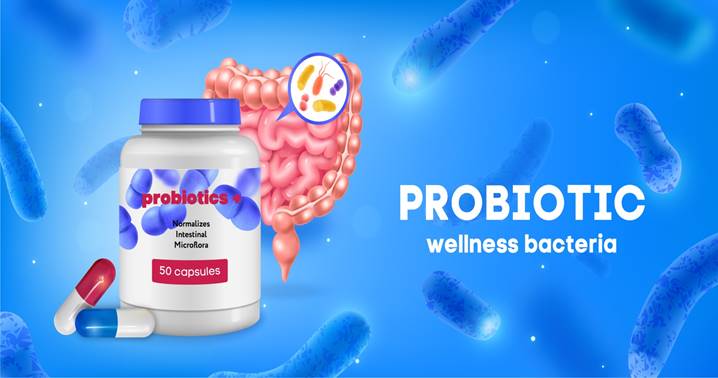
The gut microbiome has emerged as an important factor influencing metabolism and body weight. Certain probiotic strains may support weight management by influencing gut bacteria composition and metabolic processes.
A systematic review published in Nutrients found that some probiotic strains, particularly species of Lactobacillus and Bifidobacterium, were associated with modest reductions in body weight and body fat (Koutnikova et al., 2019).
Although promising, current evidence remains preliminary, and probiotics should be considered a supportive strategy rather than a primary weight loss intervention.
6. Garcinia Cambogia
Garcinia cambogia gained popularity due to its hydroxycitric acid (HCA) content, which has been proposed to reduce appetite and inhibit fat production.
However, scientific evidence remains inconsistent. A meta-analysis published in the Journal of Obesity concluded that weight loss effects were small and of questionable clinical significance (Onakpoya et al., 2011).
Consequently, current evidence does not strongly support Garcinia cambogia as an effective weight loss supplement.
Do Weight Loss Supplements Really Work?
The answer depends on expectations. Most scientifically studied supplements produce modest effects at best. Weight loss supplements are not miracle solutions and generally result in only small reductions in body weight when used alone.
Clinical evidence consistently shows that meaningful and sustainable weight loss occurs through a combination of:
- Calorie-controlled nutrition
- Regular physical activity
- Adequate sleep
- Stress management
- Long-term behavioral changes
Supplements may provide supportive benefits such as increased satiety, improved dietary adherence, or enhanced exercise performance, but they cannot compensate for unhealthy lifestyle habits.
Safety Considerations Before Using Supplements
Not all supplements are equally safe. Product quality, ingredient purity, dosage, and individual health conditions can significantly influence safety outcomes.
Individuals with chronic diseases, pregnant women, older adults, and those taking prescription medications should consult healthcare professionals before starting any weight management supplement.
Consumers should also be cautious of products promising rapid or dramatic weight loss. Such claims are rarely supported by credible scientific evidence and may indicate potentially unsafe formulations.
Bottom Line
Weight loss supplements can provide limited support for healthy weight management, but they are not substitutes for a balanced diet and regular exercise. Among commonly available options, protein supplements, glucomannan, green tea extract, and certain probiotics have the strongest scientific support for modest benefits. However, the effects are generally small and work best when combined with sustainable lifestyle changes.
For long-term success, individuals should focus on evidence-based strategies that include nutritious eating patterns, physical activity, adequate sleep, and professional guidance when needed. Sustainable habits not supplements remain the foundation of healthy weight management.
References
- Leidy HJ, Clifton PM, Astrup A, et al. The role of protein in weight loss and maintenance. American Journal of Clinical Nutrition. 2015;101(6):1320S-1329S.
- Hursel R, Viechtbauer W, Westerterp-Plantenga MS. The effects of green tea on weight loss and weight maintenance: A meta-analysis. Obesity Reviews. 2009;10(6):635-643.
- Onakpoya I, Hung SK, Perry R, Wider B, Ernst E. The use of Garcinia extract for weight loss: A systematic review and meta-analysis. Journal of Obesity. 2011;2011:509038.
- Koutnikova H, Genser B, Monteiro-Sepulveda M, et al. Impact of bacterial probiotics on obesity, diabetes and non-alcoholic fatty liver disease. Nutrients. 2019;11(7):1540.
- GBD 2015 Obesity Collaborators. Health effects of overweight and obesity in 195 countries over 25 years. The Lancet. 2017;390(10113):2627-2642.
- Avila C, Holloway AC, Hahn MK, et al. An overview of links between obesity and mental health. Current Obesity Reports. 2015;4(3):303-310.
- European Food Safety Authority (EFSA). Scientific opinion on glucomannan and weight loss. EFSA Journal. 2010;8(10):1798.