

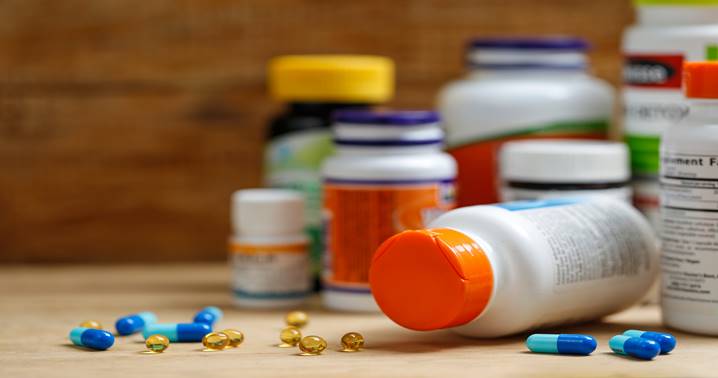
The global obesity epidemic has led to growing interest in natural weight-loss supplements, and Garcinia cambogia is among the most widely marketed. Garcinia cambogia extract contains (-)-hydroxycitric acid (HCA), a compound believed to reduce fat synthesis and suppress appetite.
Clinical research indicates that Garcinia cambogia may produce modest weight loss. Moreoveer, HCA has been investigated for its potential role in appetite regulation, lipid metabolism, and body weight management. Garcinia cambogia may be considered a substitute for a balanced diet, regular physical activity, or evidence-based obesity management. Today, however, it is marketed primarily as an over-the-counter dietary supplement for weight loss, available in capsules, tablets, and powders across the globe.
How Garcinia Cambogia Works?
Several laboratory and animal studies have proposed mechanisms through which HCA may influence body weight.
1. Inhibition of Fat Production
HCA inhibits the enzyme ATP-citrate lyase, which converts carbohydrates into fatty acids. Reduced activity of this enzyme may decrease new fat synthesis. However, this biochemical effect has not consistently translated into meaningful weight loss in humans.
2. Appetite Suppression
Some experimental studies suggest HCA may increase brain serotonin availability, potentially promoting satiety and reducing food intake. Human studies, however, have shown inconsistent findings.
3. Glycogen Storage
HCA may enhance liver glycogen synthesis, theoretically increasing feelings of fullness after meals.
Despite these proposed mechanisms, human clinical trials generally demonstrate only small reductions in body weight, and many studies show no significant benefit compared with placebo.
A comprehensive meta-analysis published in the Journal of Obesity concluded that Garcinia cambogia produced only a small short-term reduction in body weight, with uncertain clinical relevance (1).
Is Garcinia Cambogia Good for Liver Detox?
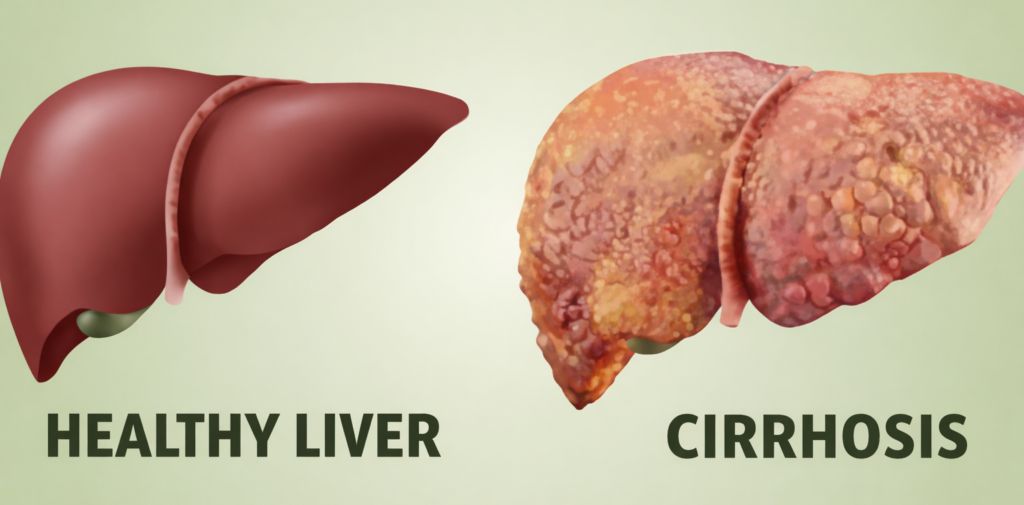
The liver naturally detoxifies harmful substances through highly regulated metabolic pathways. No high-quality clinical trial has demonstrated that Garcinia supplementation improves liver detoxification or enhances liver function in healthy individuals.
More importantly, healthcare professionals should recognize that Garcinia cambogia has been associated with rare but potentially serious cases of drug-induced liver injury (DILI).
Several published case reports describe:
- Acute hepatitis
- Elevated liver enzymes
- Cholestatic liver injury
- Fulminant liver failure requiring liver transplantation in rare cases
Although causality remains difficult to establish because many supplements contain multiple ingredients, the U.S. National Institutes of Health LiverTox database identifies Garcinia cambogia as a potential cause of clinically significant liver injury (2).
Therefore:
- Garcinia should not be used for liver detoxification.
- Individuals with pre-existing liver disease should avoid Garcinia unless advised by a physician.
- Users should discontinue supplementation immediately if jaundice, dark urine, severe fatigue, or abdominal pain develops.
Is Garcinia Cambogia Good for Diabetic Patients?
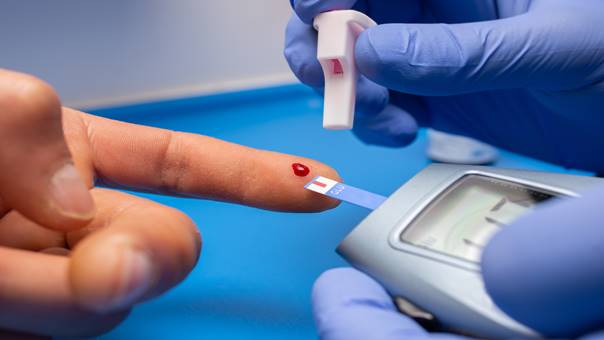
Current evidence does not support Garcinia cambogia as a treatment for diabetes. However, experimental studies suggest HCA may modestly improve glucose metabolism and insulin sensitivity in animal models, but high-quality human clinical evidence remains insufficient (3).
A few small clinical studies have reported minor improvements in fasting glucose or insulin resistance; however:
- results are inconsistent,
- study quality is generally low,
- effects are not large enough to recommend Garcinia as diabetes therapy.
Patients with diabetes should also exercise caution because Garcinia may potentially enhance glucose-lowering effects when combined with antidiabetic medications, theoretically increasing the risk of hypoglycaemia.
Major diabetes treatment guidelines do not recommend Garcinia cambogia for blood glucose management.
Individuals with diabetes should instead prioritize:
- healthy dietary patterns,
- regular exercise,
- medically supervised weight loss,
- evidence-based medications prescribed by healthcare professionals.

Is Garcinia Cambogia Effective for Weight Loss?
The evidence for weight loss remains modest. Several randomized controlled trials have evaluated Garcinia supplementation over 8-12 weeks.
The largest systematic reviews indicate:
- average weight loss is generally less than 1 kilogram greater than placebo,
- benefits often disappear in longer studies,
- results vary because of differences in dosage, supplement quality, lifestyle interventions, and participant characteristics.
Weight loss achieved through calorie restriction, increased physical activity, adequate sleep, and behavioural counselling remains substantially greater than that observed with Garcinia alone. Therefore, Garcinia should not be viewed as a “magic weight-loss pill.”

Safety and Possible Side Effects
Most short-term clinical trials report that Garcinia is generally well tolerated when used for several weeks.
Reported adverse effects include:
- headache,
- nausea,
- diarrhoea,
- dry mouth,
- dizziness,
- abdominal discomfort.
Rare but serious adverse events have included:
- liver injury,
- serotonin toxicity when combined with serotonergic medications,
- psychiatric symptoms such as mania in susceptible individuals.
The long-term safety of Garcinia supplementation has not been established.
Precautions
Before taking Garcinia cambogia, individuals should consult a qualified healthcare professional, particularly if they have chronic medical conditions.
Avoid or use with caution if you:
- have liver disease or elevated liver enzymes,
- are pregnant or breastfeeding,
- have diabetes requiring medication,
- take antidepressants (SSRIs, SNRIs or other serotonergic drugs),
- have bipolar disorder,
- are scheduled for surgery,
- are taking multiple herbal supplements.
Consumers should also purchase products from reputable manufacturers because dietary supplements may vary considerably in purity, HCA concentration, and quality.
Bottom Line
Garcinia cambogia remains one of the most popular herbal supplements marketed for weight loss. Clinical studies suggest that Garcinia Cambogia produces statistically significant reduction in body weight.
References
- Onakpoya I, Hung SK, Perry R, Wider B, Ernst E. The use of Garcinia extract (Hydroxycitric Acid) as a weight loss supplement: a systematic review and meta-analysis of randomized clinical trials. Journal of Obesity. 2011;2011:509038.
- National Institutes of Health. LiverTox: Clinical and Research Information on Drug-Induced Liver Injury. Garcinia cambogia.
- American Diabetes Association. Standards of Care in Diabetes. Current recommendations do not endorse Garcinia cambogia for glycaemic control.
Written By: Anzer Hussain