

Selenium is an essential mineral, which regulate antioxidant defense, thyroid hormone metabolism, immune function, reproduction, and cellular health.
Although selenium deficiency is relatively uncommon in many developed countries, inadequate intake remains a public health concern in certain geographical regions with selenium-poor soils. Conversely, excessive supplementation can lead to toxicity, highlighting the importance of achieving an appropriate balance rather than consuming high doses indiscriminately.
Medical research continues to investigate selenium’s role in chronic diseases, healthy aging, cardiovascular health, and cancer prevention. However, while adequate selenium intake is clearly beneficial, current evidence does not support routine high-dose supplementation for disease prevention in healthy individuals (1; 2).

What Is Selenium?
Selenium is an essential micronutrient required for the synthesis of at least 25 human selenoproteins, many of which function as antioxidant enzymes. These proteins help neutralize harmful reactive oxygen species (ROS), thereby protecting cells from oxidative stress and inflammation (3).
Among the best-known selenium-dependent enzymes are:
- Glutathione peroxidases (GPx)
- Thioredoxin reductases
- Iodothyronine deiodinases
Together, these enzymes contribute to maintaining cellular integrity, regulating thyroid hormone activation, supporting immune responses, and protecting DNA from oxidative damage.
The Recommended Dietary Allowance (RDA) for most healthy adults is 55 micrograms (mcg) per day, while the tolerable upper intake level (UL) is 400 mcg/day (1).
Why Selenium Is Important for Health
Selenium contributes to numerous physiological processes that influence overall health throughout life.
Powerful Antioxidant Protection
One of selenium’s most important biological functions is its role in antioxidant defense. Selenium-containing enzymes such as glutathione peroxidase reduce oxidative stress by neutralizing free radicals generated during normal metabolism and environmental exposures.
Excessive oxidative stress has been associated with aging and numerous chronic diseases, including cardiovascular disease, diabetes, neurodegenerative disorders, and certain cancers (3).
Maintaining adequate selenium intake helps preserve the body’s natural antioxidant capacity rather than acting as a direct antioxidant itself.
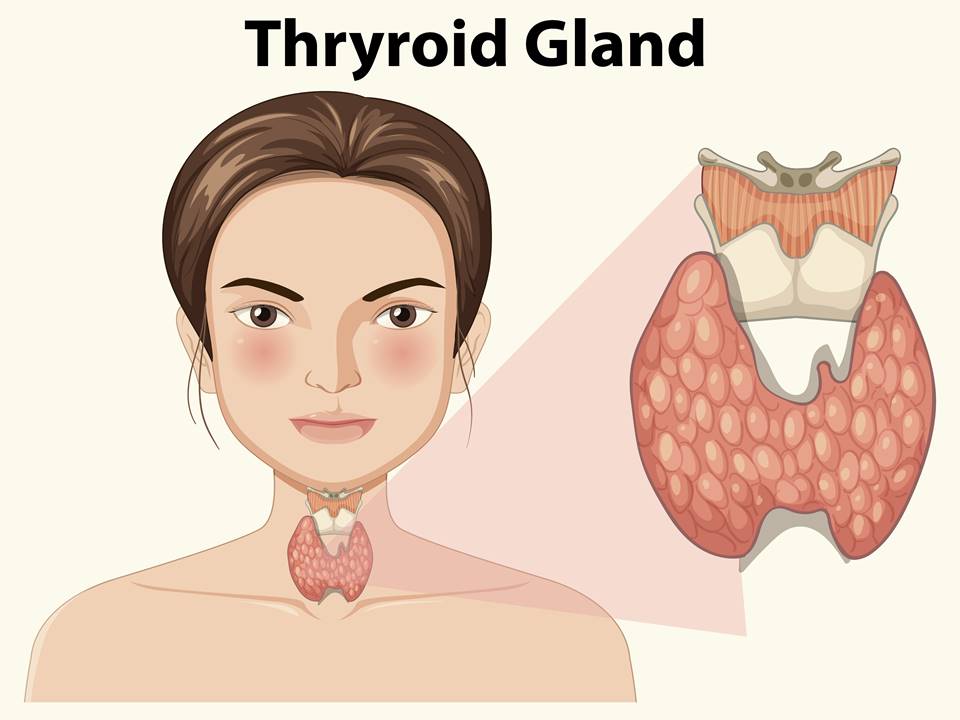
Supports Healthy Thyroid Function
The thyroid gland contains one of the highest concentrations of selenium in the human body. Selenium-dependent enzymes convert thyroxine (T4) into its active hormone, triiodothyronine (T3), while simultaneously protecting thyroid tissue from oxidative damage generated during hormone synthesis.
Research suggests that selenium deficiency may impair thyroid function and may contribute to certain thyroid disorders, particularly in populations with low selenium intake (4). However, selenium supplementation should only be considered under medical supervision because benefits vary according to individual selenium status.

Strengthens Immune Function
Adequate selenium intake supports both innate and adaptive immunity. Selenium influences the activity of T lymphocytes, natural killer cells, and antibody production.
Studies indicate that selenium deficiency may impair immune responses and increase susceptibility to infections, whereas restoring adequate selenium levels improves immune cell function (5).
Importantly, more selenium is not necessarily better. Excessive supplementation has not consistently demonstrated additional immune benefits in individuals with sufficient selenium intake.

May Support Heart Health
Oxidative stress and inflammation contribute to cardiovascular disease. Selenium-dependent antioxidant enzymes help reduce oxidative damage to blood vessels.
Some observational studies have linked low selenium status with an increased risk of cardiovascular disease. However, randomized clinical trials have produced inconsistent findings, and current evidence does not support selenium supplements solely for cardiovascular disease prevention (2).
Maintaining adequate intake through a balanced diet remains the preferred approach.
Supports Reproductive Health
Selenium contributes to both male and female reproductive health. In men, selenium is essential for sperm formation, motility, and protection against oxidative damage.
Several studies have observed associations between adequate selenium status and improved sperm quality, although supplementation should be individualized and guided by healthcare professionals (3).
Brain Health and Healthy Aging
Oxidative stress plays an important role in age-related cognitive decline. Selenium-containing enzymes help protect neurons from oxidative injury.
Emerging research suggests adequate selenium intake may contribute to healthy brain aging, but evidence remains insufficient to recommend selenium supplementation specifically for preventing dementia or Alzheimer’s disease (1).
Selenium Deficiency
Although uncommon in many countries, selenium deficiency can occur due to inadequate dietary intake, gastrointestinal disorders affecting nutrient absorption, long-term parenteral nutrition without selenium supplementation, or residence in areas with selenium-deficient soil.
Symptoms may include:
- Persistent fatigue
- Muscle weakness
- Reduced immune function
- Hair loss
- Brittle nails
- Thyroid dysfunction
- Fertility problems
Severe deficiency has historically been associated with Keshan disease, a cardiomyopathy first described in selenium-deficient regions of China, and Kashin-Beck disease, an osteoarthropathy affecting bones and joints (1).
Can Too Much Selenium Be Harmful?
Yes. Excessive selenium intake can cause selenosis, a condition resulting from chronic overconsumption.
Symptoms include:
- Hair loss
- Brittle or discolored nails
- Garlic-like breath odor
- Metallic taste
- Nausea
- Skin rash
- Irritability
- Peripheral neuropathy
Very high selenium intake may lead to serious neurological complications.
Most toxicity cases occur from inappropriate supplement use rather than food consumption. Therefore, selenium supplements should not exceed recommended doses unless prescribed by a healthcare provider (1).
When To Seek a Doctor
Medical advice should be sought if you experience persistent symptoms suggestive of selenium deficiency such as unexplained fatigue, muscle weakness, recurrent infections, hair loss, brittle nails, or signs of thyroid dysfunction, particularly if you have digestive disorders that impair nutrient absorption or live in a region known for low-selenium soils. You should also consult a healthcare professional before starting selenium supplements if you are pregnant, breastfeeding, have thyroid disease, kidney disease, or are undergoing treatment for chronic medical conditions. Immediate medical attention is warranted if you develop symptoms of selenium toxicity, including severe nausea, vomiting, garlic-like breath, neurological symptoms, or significant hair and nail changes after taking selenium-containing supplements.
Food Sources
Obtaining selenium from food is generally the safest and most effective approach.
Major dietary sources include:
- Brazil nuts (extremely rich; intake should be moderate because one or two nuts may provide more than the daily requirement)
- Seafood (tuna, sardines, salmon, shrimp)
- Shellfish
- Eggs
- Chicken
- Turkey
- Beef
- Pork
- Dairy products
- Whole grains
- Brown rice
- Sunflower seeds
- Mushrooms
- Lentils
- Beans
The selenium content of plant foods varies considerably depending on soil selenium concentrations, whereas animal foods generally provide more consistent amounts.
A varied, balanced diet usually supplies sufficient selenium for most healthy adults.
The Bottom Line
Selenium is an essential mineral that supports antioxidant defenses, thyroid hormone metabolism, immune function, reproduction, and overall cellular health. Maintaining adequate selenium intake through a diverse, nutrient-rich diet is associated with optimal physiological function, whereas both deficiency and excessive intake can adversely affect health.