

Vitamin B12 is an essential water-soluble vitamin that plays a crucial role in red blood cell formation, DNA synthesis, nerve function, and energy metabolism.
Despite its importance, vitamin B12 deficiency has become a significant public health concern in India. Numerous studies indicate that vitamin B12 deficiency affects a large proportion of the Indian population, including children, pregnant women, older adults, and even apparently healthy young adults. The prevalence is considerably higher than in many Western countries due to dietary habits and several medical conditions that impair vitamin B12 absorption (1; 2).
Vitamin B12 is naturally found almost exclusively in foods of animal origin. Since a substantial proportion of Indians follow vegetarian or predominantly plant-based diets for cultural, religious, or economic reasons, dietary intake of vitamin B12 is often inadequate. However, diet is only one of several contributing factors. Understanding the underlying causes and adopting appropriate dietary and supplementation strategies can help prevent long-term health complications associated with vitamin B12 deficiency.
Causes of Vitamin B12 Deficiency
1. Dietary Restrictions
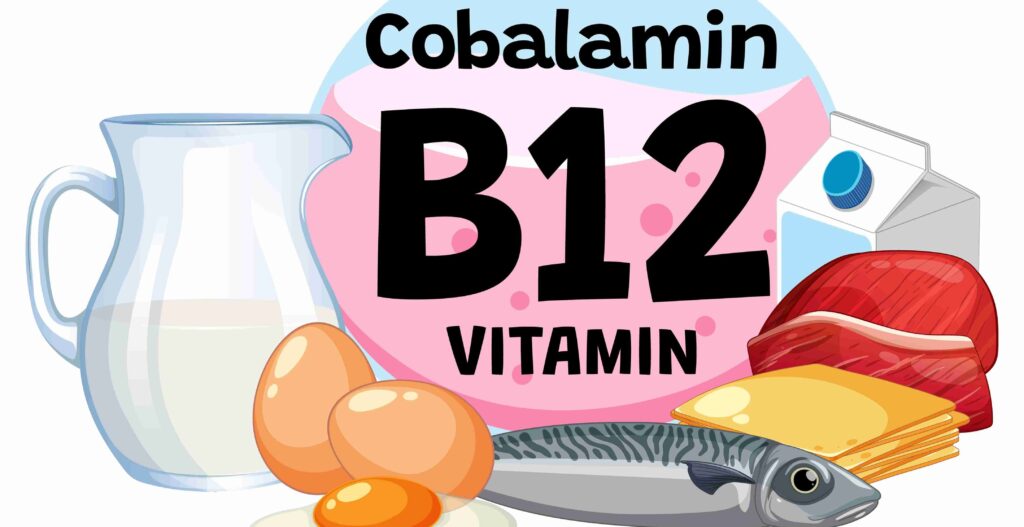
The most common reason for vitamin B12 deficiency in India is inadequate dietary intake. Vitamin B12 is synthesized by microorganisms and accumulates naturally in animal-derived foods such as meat, fish, poultry, eggs, milk, and dairy products. Plant foods generally do not provide reliable or bioavailable vitamin B12 unless they are fortified.
India has one of the world’s largest vegetarian populations, with many individuals consuming little or no animal-derived foods. Even lacto-vegetarians may consume insufficient amounts if dairy intake is limited. Research published in The American Journal of Clinical Nutrition reported that vegetarians have significantly lower serum vitamin B12 concentrations than non-vegetarians and are at greater risk of deficiency (3).
Long-term vitamin B12 deficiency may lead to fatigue, weakness, megaloblastic anemia, numbness and tingling in the hands and feet, memory problems, impaired concentration, and neurological disorders. Pregnant women with inadequate vitamin B12 status may also increase the risk of neural tube defects and poor fetal development.
2. Malabsorption
Adequate dietary intake alone does not guarantee sufficient vitamin B12 status. The vitamin undergoes a complex absorption process that depends on healthy stomach acid production, pancreatic enzymes, and intrinsic factor a protein secreted by the stomach that enables vitamin B12 absorption in the terminal ileum.
Several medical conditions reduce vitamin B12 absorption, including:
- Pernicious anemia (autoimmune loss of intrinsic factor)
- Atrophic gastritis
- Celiac disease
- Crohn’s disease
- Chronic pancreatitis
- Small intestinal bacterial overgrowth
Certain medications also interfere with vitamin B12 absorption. Long-term use of proton pump inhibitors (PPIs), H2 receptor blockers, and metformin has been associated with lower vitamin B12 levels (4). Older adults are particularly vulnerable because gastric acid secretion naturally declines with age, reducing the release of vitamin B12 from dietary proteins.

3. Gastrointestinal Surgery
Individuals who undergo gastrointestinal surgery may have an increased risk of vitamin B12 deficiency because portions of the digestive tract responsible for absorption are altered or removed. Procedures such as gastric bypass surgery, partial gastrectomy, or ileal resection reduce intrinsic factor production or decrease the absorptive surface area of the small intestine.
Patients undergoing bariatric surgery often require lifelong monitoring of vitamin B12 status and routine supplementation. Clinical guidelines recommend regular assessment of vitamin B12 concentrations following these procedures to prevent neurological complications that may become irreversible if untreated.

Dietary Sources of Vitamin B12
Since vitamin B12 is primarily present in animal-derived foods, consuming a balanced diet remains the most effective strategy for maintaining adequate levels in healthy individuals. Rich dietary sources include liver, clams, sardines, salmon, tuna, chicken, lean meat, eggs, milk, yogurt, paneer, and cheese. Among these, organ meats and shellfish provide the highest concentrations.
For vegetarians, dairy products and eggs contribute modest amounts of vitamin B12. However, these foods may not consistently meet daily requirements, particularly in individuals with low intake. Fortified breakfast cereals, fortified plant-based beverages, and nutritional yeast fortified with vitamin B12 can also help increase intake. It is important to read food labels carefully because not all plant-based products are fortified.
The Recommended Dietary Allowance (RDA) for adults is 2.4 µg/day, increasing to 2.6 µg/day during pregnancy and 2.8 µg/day during lactation (5).

Dietary Supplements
Vitamin B12 supplements offer an effective solution for individuals who cannot obtain sufficient amounts through diet or have impaired absorption. Common supplemental forms include cyanocobalamin, methylcobalamin, hydroxocobalamin, and adenosylcobalamin.
Cyanocobalamin is the most extensively studied form and has demonstrated excellent efficacy in correcting deficiency. Methylcobalamin is the biologically active form commonly used in supplements and may also effectively improve vitamin B12 status. Oral supplementation is sufficient for many individuals with mild to moderate deficiency, while intramuscular injections may be recommended for severe deficiency, pernicious anemia, or significant malabsorption.
Several randomized clinical studies have shown that high-dose oral vitamin B12 supplementation can effectively normalize serum vitamin B12 levels even in many patients with impaired absorption because a small percentage is absorbed through passive diffusion independent of intrinsic factor (6).
Supplementation should ideally be based on laboratory assessment and medical advice, especially in individuals with neurological symptoms or chronic gastrointestinal disorders.

Practical Tips to Prevent Vitamin B12 Deficiency
Preventing vitamin B12 deficiency requires a combination of healthy dietary choices, regular health monitoring, and appropriate supplementation when necessary. Individuals following vegetarian or vegan diets should regularly include fortified foods or vitamin B12 supplements in consultation with a healthcare professional. Older adults, pregnant women, people with diabetes taking metformin, and patients with digestive disorders should undergo periodic screening for vitamin B12 status. Maintaining a balanced diet rich in animal-derived foods where appropriate, addressing gastrointestinal conditions promptly, and avoiding unnecessary long-term use of acid-suppressing medications may further reduce the risk of deficiency.
The Bottom Line
Vitamin B12 deficiency remains highly prevalent in India due to vegetarian dietary patterns, malabsorption disorders, gastrointestinal surgery, aging, and certain medications. Because vitamin B12 is essential for neurological health, red blood cell formation, and DNA synthesis, prolonged deficiency can lead to serious and sometimes irreversible complications. Fortunately, early diagnosis, a balanced diet containing vitamin B12-rich foods, fortified products, and evidence-based supplementation can effectively prevent and treat deficiency. Individuals at high risk should seek medical evaluation and appropriate nutritional guidance to maintain optimal vitamin B12 status and support long-term health.