

Magnesium plays an essential role in muscle contraction, nerve transmission, protein synthesis, blood glucose regulation, blood pressure maintenance, and energy metabolism.
Although magnesium deficiency is relatively common, particularly among older adults and individuals with certain chronic diseases, taking excessive amounts of magnesium supplements does not necessarily provide additional health benefits. In fact, high-dose magnesium supplementation may lead to gastrointestinal discomfort, alterations in blood pressure, and, in rare cases, serious toxicity.
According to the National Institutes of Health (NIH), adverse effects are primarily associated with excessive intake from supplements or medications rather than magnesium naturally present in foods (1).

What Happens When You Take High-Dose Magnesium?
Magnesium obtained from dietary sources is generally well regulated by the kidneys. However, when large doses are consumed through dietary supplements or magnesium-containing laxatives and antacids, the body’s regulatory mechanisms may be overwhelmed, particularly in individuals with impaired kidney function. Clinical effects depend on the dose, duration of supplementation, and overall health status.

1. Digestive Effects
The digestive system is usually the first to respond to excessive magnesium intake. Magnesium salts, particularly magnesium oxide, magnesium citrate, and magnesium hydroxide, have an osmotic effect that draws water into the intestines. This property explains why they are commonly used as laxatives.
As a result, excessive supplemental magnesium may cause diarrhea, abdominal cramping, nausea, bloating, and loose stools. The Tolerable Upper Intake Level (UL) of 420 mg/day of elemental magnesium from supplements in the USA, 370 mg/day in the EU, and 440 mg/day in the India, for adults. This limit does not apply to magnesium obtained naturally from food (2; 1).
Clinical reviews consistently identify diarrhea as the most common adverse effect associated with excessive magnesium supplementation (3).

2. Effects on Blood Pressure
Magnesium contributes to vascular relaxation by influencing calcium transport within smooth muscle cells, which may support healthy blood vessel function. Clinical studies suggest that magnesium supplementation can produce modest reductions in blood pressure among individuals with hypertension or magnesium deficiency.
A meta-analysis published in Hypertension reported that magnesium supplementation produced small but statistically significant reductions in both systolic and diastolic blood pressure. However, higher doses do not necessarily produce greater cardiovascular benefits (4).
Excessive magnesium intake may occasionally contribute to hypotension, particularly in individuals receiving antihypertensive medications or those with impaired kidney function. Symptoms of excessively low blood pressure may include dizziness, weakness, light-headedness, and fainting.
Therefore, individuals taking medications for hypertension should consult healthcare professionals before using high-dose magnesium supplements.
3. Kidney Health
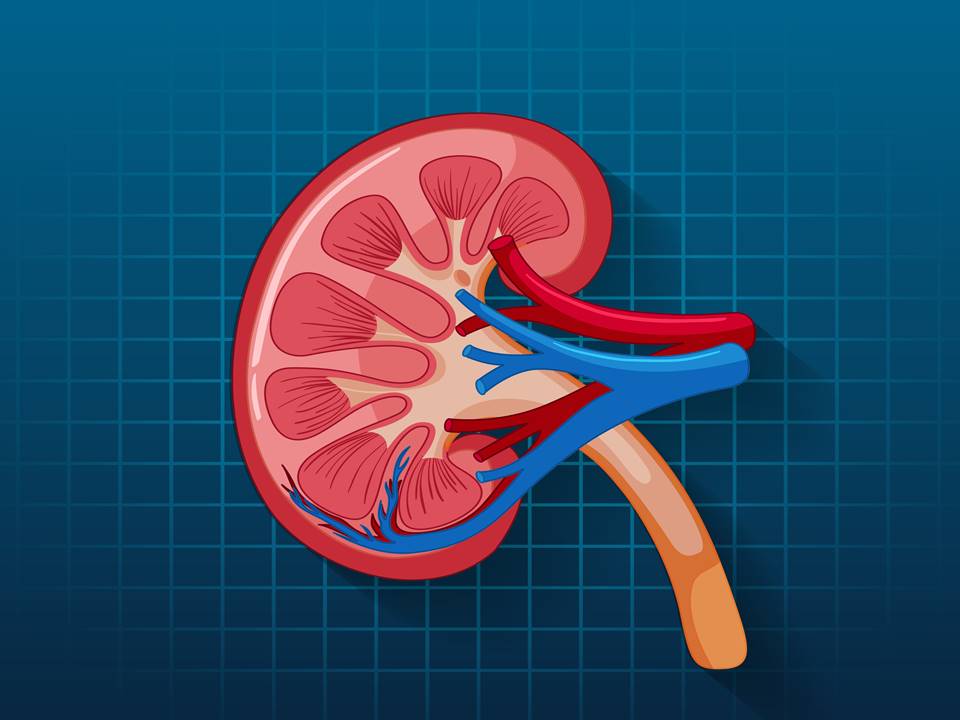
Healthy kidneys efficiently regulate magnesium balance by excreting excess amounts through urine. Consequently, magnesium toxicity is uncommon in people with normal kidney function.
However, patients with chronic kidney disease (CKD) have a reduced ability to eliminate excess magnesium. High-dose supplementation in these individuals can lead to elevated blood magnesium concentrations (hypermagnesemia), increasing the risk of serious complications.
The Kidney Disease: Improving Global Outcomes (KDIGO) guidelines recommend careful monitoring of mineral intake in individuals with kidney disease. Numerous case reports describe severe hypermagnesemia following excessive use of magnesium-containing laxatives in patients with advanced kidney dysfunction (5).
For patients with chronic kidney disease, magnesium supplementation should only be undertaken under medical supervision.

4. Nervous System Effects
Magnesium plays an essential role in normal nerve conduction and neuromuscular function. Appropriate magnesium levels support normal nerve signaling and muscle relaxation.
When magnesium concentrations become excessively high, however, nerve transmission may become suppressed. Early neurological symptoms of hypermagnesemia include:
- Fatigue
- Drowsiness
- Muscle weakness
- Reduced tendon reflexes
- Confusion
As blood magnesium levels continue to rise, more severe neurological complications may occur, including respiratory depression, paralysis, and coma. These severe manifestations are generally observed only in patients with significant renal impairment or accidental overdose and are uncommon among healthy individuals taking standard supplement doses (5).

5. Heart Health
Magnesium is essential for maintaining normal cardiac rhythm and electrical conduction. Adequate magnesium status supports normal heart function and is routinely monitored in hospital settings.
Research indicates that correcting magnesium deficiency may reduce the risk of certain cardiac arrhythmias, particularly in hospitalized patients (6).
Nevertheless, excessive magnesium accumulation may impair cardiac conduction. Severe hypermagnesemia has been associated with:
- Bradycardia (slow heart rate)
- Low blood pressure
- Electrocardiographic abnormalities
- Heart block
- Cardiac arrest in rare, severe cases
These complications primarily occur in patients with renal failure or massive magnesium overdose rather than healthy adults using recommended supplement doses.
Magnesium Toxicity: When Too Much Becomes Dangerous
Magnesium toxicity, known as hypermagnesemia, is uncommon but can become a medical emergency. Most cases occur in individuals with impaired kidney function or after excessive consumption of magnesium-containing medications.
Clinical symptoms generally progress as blood magnesium concentrations increase and may include nausea, flushing, hypotension, diminished reflexes, muscle weakness, confusion, respiratory depression, cardiac rhythm disturbances, and, in severe cases, cardiac arrest (5).
Prompt medical treatment is essential. Management may include discontinuation of magnesium sources, intravenous calcium administration, supportive care, and dialysis in severe cases involving kidney failure.

Who Should Be Extra Careful with Magnesium Supplements?
Although magnesium supplements are considered safe for many adults when used appropriately, certain individuals require additional caution. These include patients with chronic kidney disease, older adults with reduced renal function, individuals taking magnesium-containing laxatives or antacids regularly, people using medications that affect kidney function, and those taking antihypertensive drugs. Magnesium supplements may also interact with certain antibiotics, bisphosphonates, and thyroid hormone replacement therapy, potentially reducing medication absorption. Taking these medications several hours apart from magnesium supplements may help minimize interactions, but healthcare providers should guide individualized recommendations (1).
The Bottom Line
Magnesium is an essential mineral that supports muscle health, cardiovascular health, and energy production. While correcting magnesium deficiency may offer health benefits, consuming high-dose magnesium supplements does not necessarily improve outcomes and may increase the risk of adverse effects. Digestive symptoms such as diarrhea are the most common side effects, whereas serious toxicity is uncommon and usually occurs in individuals with impaired kidney function or excessive intake from supplements or medications. Current clinical evidence supports using magnesium supplements only when appropriate, within recommended limits, and preferably under healthcare supervision, particularly for individuals with chronic medical conditions.
References
- National Institutes of Health Office of Dietary Supplements. Magnesium Fact Sheet for Health Professionals. Updated 2024.
- Institute of Medicine. Dietary Reference Intakes for Calcium, Phosphorus, Magnesium, Vitamin D, and Fluoride. National Academies Press; 1997.
- Zhang X, Li Y, Del Gobbo LC, et al. Effects of Magnesium Supplementation on Blood Pressure: A Meta-analysis of Randomized Double-Blind Placebo-Controlled Trials. Hypertension. 2016;68(2):324-333.
- de Baaij JHF, Hoenderop JGJ, Bindels RJM. Magnesium in Man: Implications for Health and Disease. Physiological Reviews. 2015;95(1):1-46.
- Guerrera MP, Volpe SL, Mao JJ. Therapeutic Uses of Magnesium. American Family Physician. 2009;80(2):157-162.