

For elderly people following a vegetarian diet, certain nutrients deserve particular attention because their dietary sources may be limited or their absorption may decline with age.
Five nutrients that elderly vegetarians should pay particular attention to are vitamin B12, vitamin D, vitamin B9 (folate), vitamin K2, and iron. These nutrients are involved in blood formation, neurological function, bone health, immunity, energy metabolism, and overall physiological function.
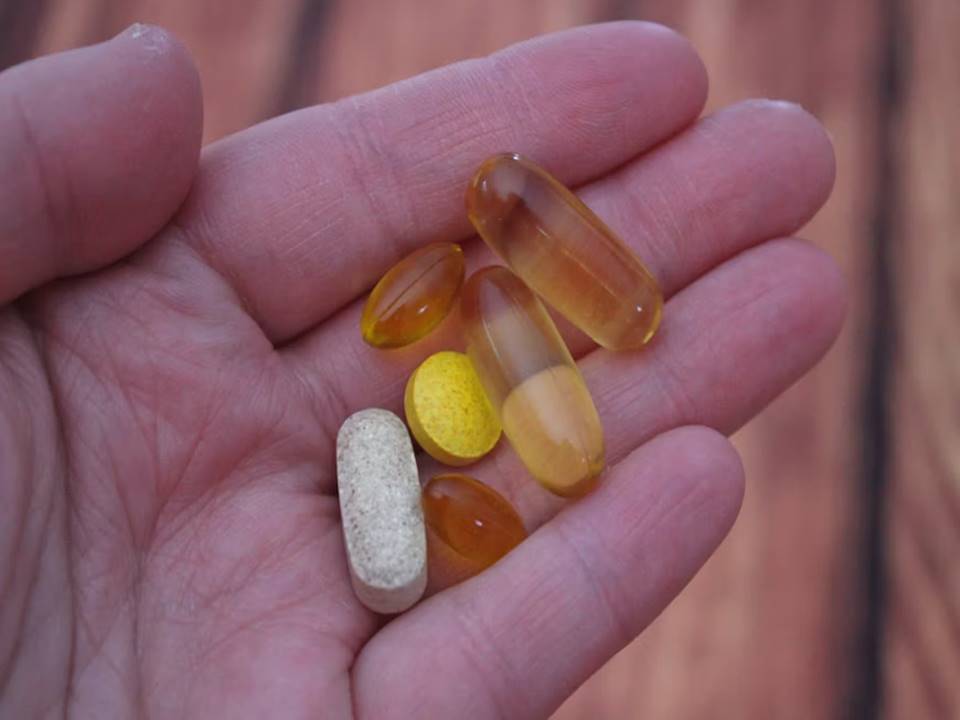
1. Vitamin B12: One of the Most Important Nutrients for Elderly Vegetarians
Vitamin B12 is arguably the most important nutrient to monitor in older vegetarians, particularly those who consume little or no dairy or eggs. Vitamin B12 is required for normal red blood cell formation, DNA synthesis and neurological function. Deficiency can cause megaloblastic anemia and neurological abnormalities, and neurological damage may become difficult to reverse when deficiency is prolonged.
Vegetarians are at increased risk because naturally occurring vitamin B12 is found predominantly in animal-derived foods. A systematic review by Pawlak and colleagues that included 40 studies reported substantial variation in B12 deficiency among vegetarians, with particularly high risk among vegans who did not use B12 supplements [1].
Age itself can also increase the risk of deficiency. Reduced stomach acid and food-cobalamin malabsorption can impair the release and absorption of B12 from food in older adults. Andrès et al. reported that B12 deficiency occurs frequently in elderly populations and may remain clinically unrecognized because symptoms can be subtle.
For elderly vegetarians, good sources include fortified breakfast cereals, fortified plant-based milk, nutritional yeast containing added B12, dairy products and eggs for lacto-ovo vegetarians. Individuals with suspected deficiency may require a B12 supplement under professional guidance.
2. Vitamin D: Important for Bones and Muscle Function
Vitamin D plays an important role in calcium and phosphorus metabolism and contributes to maintaining normal bones and muscles. Older adults can be vulnerable to inadequate vitamin D because skin production decreases with age and many elderly people spend less time outdoors.
Vitamin D is also relevant to fall and fracture prevention, although the evidence is more nuanced than simply saying that everyone should take a supplement. An updated meta-analysis of 31 randomized controlled trials involving 57,867 participants found that vitamin D alone did not consistently reduce falls overall, but supplementation appeared more beneficial in people with lower baseline vitamin D concentrations. Combined vitamin D and calcium supplementation produced a modest reduction in fall risk in the analyzed trials [2].
Therefore, elderly vegetarians should focus on maintaining adequate vitamin D rather than assuming that higher doses provide greater benefits. Vegetarian sources include fortified milk and plant-based beverages, fortified cereals, UV-exposed mushrooms and vitamin D supplements when clinically indicated. Sun exposure can contribute to vitamin D production, although the amount produced varies considerably with age, skin characteristics, season, geographic location and lifestyle.
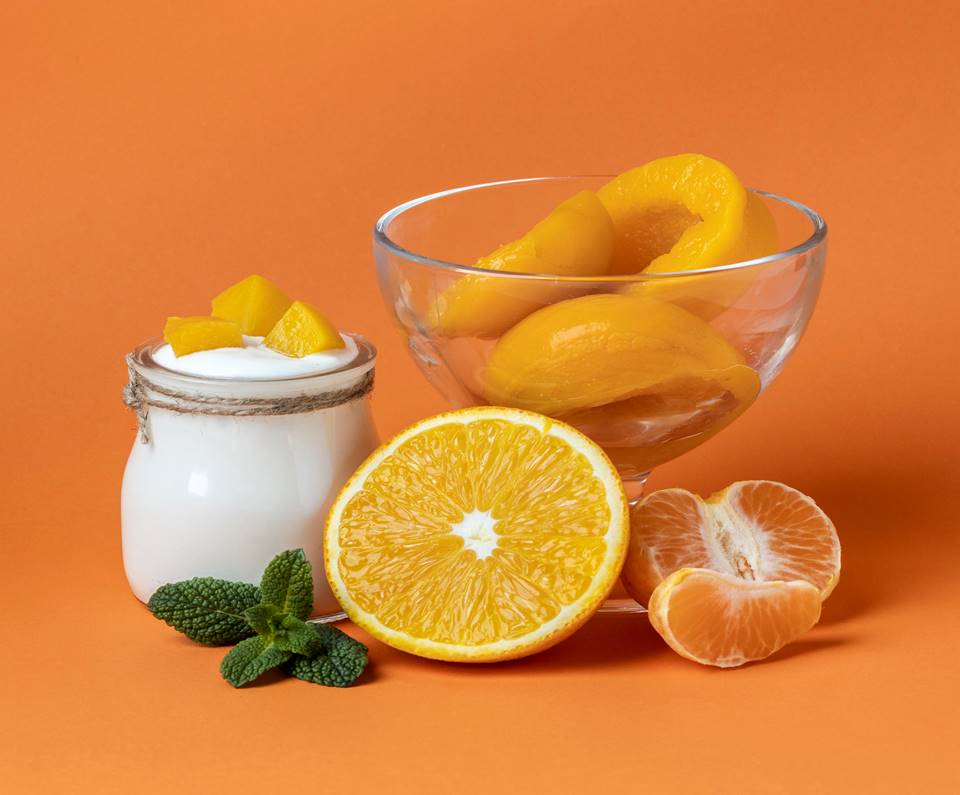
3. Vitamin B9 (Folate): Essential for Blood and Cellular Function
Vitamin B9, commonly called folate, is essential for DNA synthesis, cell division and normal red blood cell production. Folate is naturally abundant in many plant foods, making deficiency less likely in people who consume a varied vegetarian diet. Nevertheless, inadequate intake can occur when the diet is monotonous or overall food intake is low.
Excellent vegetarian sources include lentils, chickpeas, beans, spinach, mustard greens, broccoli, asparagus, avocado, citrus fruits and fortified grains.
Folate also participates in homocysteine metabolism. Clinical research has shown that folic acid supplementation can lower plasma homocysteine in older adults. For example, a randomized controlled trial in elderly women found that folic acid combined with vitamin B12 significantly reduced homocysteine concentrations, although this did not translate into demonstrated improvements in bone turnover markers [3, 4].
Importantly, high folic acid intake can correct the anemia associated with B12 deficiency while allowing neurological damage from B12 deficiency to progress. Therefore, elderly people should not use high-dose folic acid as a substitute for checking B12 status.
4. Vitamin K2: A Nutrient of Interest for Healthy Aging
Vitamin K is involved in normal blood clotting and bone metabolism. Vitamin K2 refers to several menaquinone forms, including MK-7. Interest in vitamin K2 has increased because of its involvement in activating vitamin-K-dependent proteins involved in bone metabolism.
Clinical evidence, however, should be interpreted carefully. A randomized controlled trial involving 148 postmenopausal women found that 12 months of MK-7 supplementation improved some measures of bone microarchitecture but did not significantly improve bone mineral density. Another three-year randomized study involving 244 postmenopausal women reported that 180 μg/day of MK-7 was associated with a smaller age-related decline in bone mineral density and bone strength [5].
At the same time, not all trials have shown benefits. An earlier randomized trial found no effect of vitamin K2 supplementation on bone loss in early postmenopausal women. A systematic review and meta-analysis of randomized trials similarly concluded that evidence for vitamin K supplementation and fracture prevention remains insufficient to establish a definitive clinical benefit.
Vegetarian sources of vitamin K include green leafy vegetables, cabbage, broccoli and fermented foods. Natto, a traditional Japanese fermented soybean food, is particularly rich in vitamin K2. People taking anticoagulant medicines such as warfarin should discuss changes in vitamin K intake or supplementation with their healthcare professional.
5. Iron: Important for Preventing Iron-Deficiency Anemia
Iron is technically a mineral rather than a vitamin, but it deserves inclusion because iron deficiency can be an important nutritional concern in older adults. Iron is required for hemoglobin production and oxygen transport.
Vegetarian diets provide non-heme iron from lentils, beans, chickpeas, soybeans, tofu, pumpkin seeds, sesame seeds, nuts, whole grains and leafy vegetables. However, non-heme iron is generally less efficiently absorbed than heme iron from animal foods. Vitamin C-rich foods such as citrus fruits, guava, tomatoes, bell peppers and amla can improve non-heme iron absorption when consumed with iron-containing meals.
Iron supplementation should not be taken routinely without identifying deficiency. Iron-deficiency anemia in older adults can have causes beyond inadequate dietary intake, including gastrointestinal blood loss and other medical conditions. Joosten’s review emphasizes the importance of investigating the underlying cause of iron-deficiency anemia in older adults rather than simply treating the laboratory abnormality [6].
Daily reference intake comparison for elderly vegetarians
| Nutrient | ICMR-NIN ≥60 y | EU/EFSA Adult | USA Older Adult |
| Vitamin B12 | 2.2 µg | 4 µg | 2.5 µg |
| Vitamin D | 600 IU / 20 µg | 600 IU / 15 µg | 800 IU / 20 µg (>70 y) |
| Folate (B9) | 200-300 µg | 330 µg DFE | 400 µg DFE |
| Vitamin K | 55 µg | 70 µg | 90-120 µg |
| Iron | 19-29 mg | 11 mg | 8 mg |
Best Vegetarian Sources of These Nutrients
A varied vegetarian diet can provide many of these nutrients naturally. Vitamin B12 is best obtained from fortified foods, dairy and eggs, or supplements when appropriate. Vitamin D can come from fortified foods, mushrooms exposed to UV light and sunlight exposure, although supplementation may be required in individuals with inadequate status. Folate is abundant in legumes, leafy greens, vegetables and fortified grains. Vitamin K, including some K2 forms, can be obtained from green vegetables and fermented foods such as natto. Iron is supplied by legumes, soy foods, seeds, nuts and whole grains.
Bottom Line
For elderly vegetarians, nutritional priorities should focus on dietary variety and identifying nutrients that may be difficult to obtain or absorb adequately. Vitamin B12 deserves particular attention because both vegetarian diets and aging can increase deficiency risk. Vitamin D should be maintained at an adequate level, particularly in people with limited sun exposure or documented deficiency. Folate is generally plentiful in plant-based diets but remains important for normal cellular and blood function. Vitamin K2 is promising for bone health, but clinical evidence is still mixed and does not justify assuming that everyone needs a K2 supplement. Iron is important, but supplementation should ideally follow appropriate assessment because iron deficiency in older adults may indicate an underlying medical problem.
References
- Pawlak R, Lester SE, Babatunde T. The prevalence of cobalamin deficiency among vegetarians assessed by serum vitamin B12: a review of literature. European Journal of Clinical Nutrition. 2014;68:541-548.
- Ling Y, et al. Vitamin D supplementation reduces the risk of fall in the vitamin D deficient elderly: an updated meta-analysis. Clinical Nutrition. 2021;40:5531-5537.
- Rydlewicz M, et al. The effect of folic acid supplementation on plasma homocysteine in an elderly population. QJM. 2002;95:27-35.
- Stover PJ. Vitamin B12 and older adults. Current Opinion in Clinical Nutrition and Metabolic Care. 2010;13:24-27.
- Iwamoto J, et al. Effect of vitamin K on bone mineral density and fractures in adults: an updated systematic review and meta-analysis of randomised controlled trials. Osteoporosis International. 2019.
- Joosten E. Iron deficiency anemia in older adults: A review. Geriatrics & Gerontology International. 2018;18:373-379.