
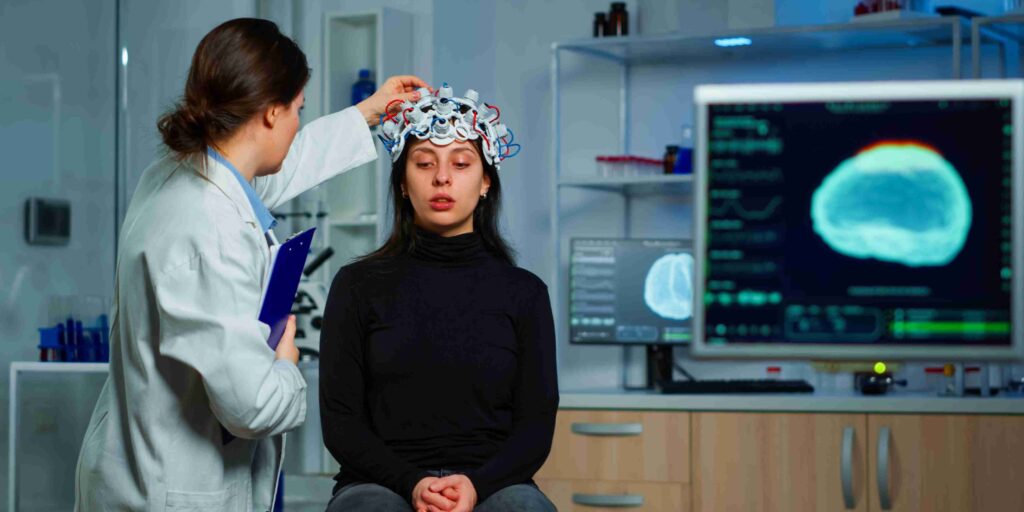
STROKE is a sudden neurological event that occurs when blood flow to part of the brain is interrupted, leading to rapid loss of brain function and tissue damage.
According to the World Health Organization, a stroke occurs when a clot blocks blood flow (ischemic stroke) or when a blood vessel ruptures and bleeds into the brain (hemorrhagic stroke). A transient ischemic attack (TIA) is a temporary disruption of blood flow that doesn’t result in permanent damage but signals high risk for a full stroke.
Strokes are medical emergencies. Without timely intervention, brain cells begin to die within minutes, a phenomenon captured in the adage “Time is brain.” Immediate diagnosis with imaging (CT/MRI) and rapid treatment determine outcomes and survival.
How a Stroke Occurs: Pathophysiology and Mechanisms
1. Ischemic Stroke – Blockage and Brain Infarction
Stroke occurs when a blood vessel supplying the brain becomes blocked by a clot or plaque, halting oxygen and nutrient delivery. According to the National Heart, Lung, and Blood Institute (NHLBI) at NIH, about 87 % of strokes are ischemic in origin. These blockages may develop directly within cerebral arteries (thrombosis) or arise from clots that travel from elsewhere (embolism). Plaque buildup in carotid arteries and other vessels (atherosclerosis) accelerates this process.
2. Hemorrhagic Stroke – Bleeding into Brain Tissue
When a weakened artery ruptures, blood leaks into surrounding brain tissue, increasing intracranial pressure and permanently damaging neurons. According to NHLBI, intracerebral hemorrhage and subarachnoid hemorrhage are the two major subtypes of hemorrhagic stroke, accounting for a significant minority of cases. Uncontrolled hypertension, aneurysms, and arteriovenous malformations predispose arteries to rupture.
3. Transient Ischemic Attack (TIA)
A TIA occurs when blood flow to the brain is briefly interrupted and symptoms resolve within minutes. Although not causing permanent damage, TIAs are predictive of future strokes and warrant urgent evaluation and risk management.

Global Epidemiology of Stroke
Understanding stroke’s global impact illuminates the urgent need for prevention and care equity.
Worldwide Burden and Incidence
The Lancet Neurology and World Stroke Organization data show that global stroke incidence reached nearly 12 million new cases in 2021, with over 93 million people living with stroke worldwide. Stroke is among the leading causes of adult disability and death.
Global disability-adjusted life years (DALYs) attributable to stroke remain high, increasing from previous decades, particularly in low- and middle-income countries (LMICs). Factors such as aging populations, metabolic risk trends, and urbanization contribute to this rising burden.
Distribution by Stroke Type
Ischemic strokes caused by thrombotic or embolic blockages constitute the majority of global strokes, whereas hemorrhagic strokes, while less frequent, carry higher immediate mortality rates.
Risk Factor Attribution
Most global stroke burden is linked to modifiable risk factors such as hypertension, dyslipidemia, smoking, poor diet, high fasting glucose, physical inactivity, and environmental exposures like air pollution.

Stroke Patients in India: Epidemiology and Public Health Trends
Stroke has emerged as a critical public health issue in India, with a steadily rising incidence and significant contribution to disability and death.
Incidence and Prevalence
According to Global Burden of Disease (GBD) data, India’s stroke incidence ranges between approximately 119 to 145 per 100,000 population annually. Stroke ranks among the top causes of death and disability across India.
A detailed GBD analysis reported over 535 thousand incident ischemic stroke cases in 2019, with both incidence and prevalence rising markedly over the past three decades.
Trends Over Time
Longitudinal research indicates that while age-standardized rates of stroke mortality have declined in India, the absolute number of new cases and years lived with disability (YLDs) have risen significantly due to population growth and aging.
Urban and Socioeconomic Disparities
Urban regions and states with higher economic development often exhibit higher stroke incidence, potentially due to lifestyle factors like sedentary behavior, dietary patterns, and environmental pollution.
Younger Stroke Demographics
Recent observational reports from India’s major cities note an increasing proportion of stroke patients aged under 50 years likely reflecting the influence of lifestyle changes, metabolic risk factors, and chronic stress in younger age groups.
How to Prevent Stroke
Prevention of stroke relies on reducing risk factors and promoting early risk detection and care.
1. Lifestyle and Behavioral Modifications
Scientific evidence supports that controlling modifiable risks especially high blood pressure dramatically reduces stroke incidence. High blood pressure remains the single most potent modifiable risk factor for stroke, increasing risk two-fold to four-fold before age 80.
Other proven lifestyle measures include:
- Smoking cessation and avoidance of second-hand smoke.
- Healthy diet rich in fruits, vegetables, and low in sodium and processed foods.
- Regular physical activity (≥150 minutes of moderate exercise per week).
- Weight management and metabolic health control.
- Limiting alcohol consumption and avoiding drug abuse.
2. Medical and Therapeutic Interventions
Control of chronic conditions such as diabetes, dyslipidemia, and atrial fibrillation through medication and regular screening is critical. Antiplatelet therapy and anticoagulants may be appropriate in specific high-risk patients.
3. Community and Policy Level Initiatives
Public health campaigns aimed at awareness of early symptoms (e.g., B.E.F.A.S.T. Balance, Eyes, Face, Arms, Speech, Time to act) improve early recognition and reduce treatment delays, which are essential for minimizing long-term deficits.
Key Takeaways
Stroke remains a leading cause of death and disability globally and in India. It arises through ischemic blockage or hemorrhagic bleeding within the brain and requires urgent medical attention to reduce long-term neurological damage. Effective prevention hinges on addressing modifiable risk factors such as hypertension, lifestyle habits, and metabolic disorders.
Global data show rising stroke incidence and persistent disparities, while India’s evolving epidemiological profile underscores the need for enhanced preventive care, early detection, and equitable access to stroke-ready services. Multi-level strategies from individual lifestyle changes to health policy initiatives collectively offer the most effective approach to reducing stroke burden and improving health outcomes.