

If you are trying to lose weight, you may have come across countless recipes promising to “burn belly fat,” “detox the body,” or make the pounds disappear overnight. The reality is much simpler: no homemade drink can independently cause significant fat loss. However, a smart, low-calorie beverage can become a useful part of a healthy weight-management routine especially when it replaces sugary drinks.
One practical option is a homemade drink made with water, fresh lemon or lime, ginger, and optionally unsweetened green tea. Its potential value comes less from a magical fat-burning effect and more from hydration, reduced calorie intake from beverages, and possibly the modest metabolic effects associated with green tea. Research suggests that these effects can support weight management, but they should be viewed as small additions to an overall healthy lifestyle.
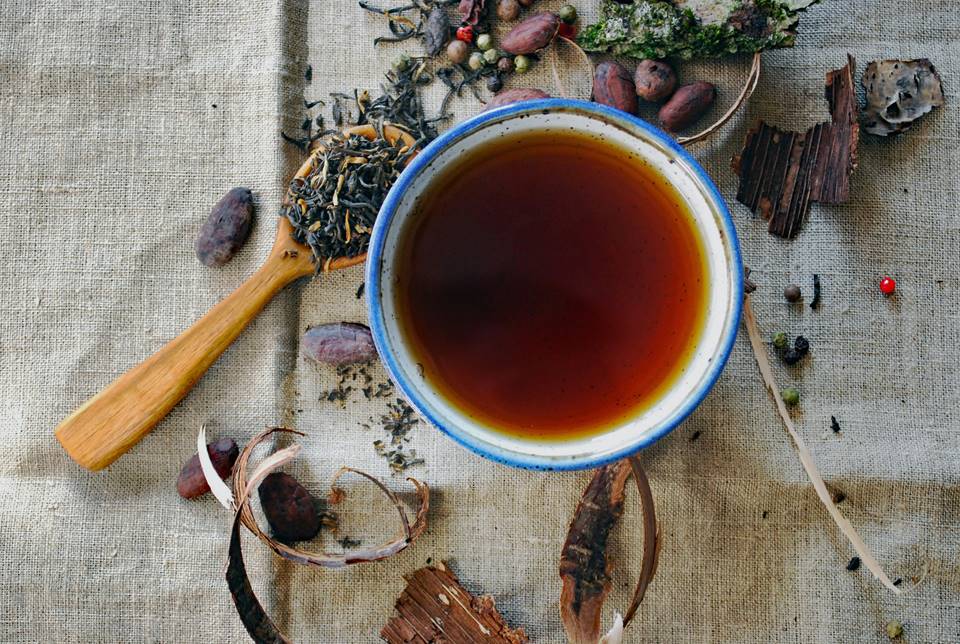
The Homemade Drink
A basic homemade weight-management drink requires only a few ingredients. The important point is what you do not add. Avoid sugar, syrups, honey, sweetened concentrates and other calorie-dense ingredients if the purpose of the drink is to replace higher-calorie beverages. A drink containing several teaspoons of sugar can work against the calorie deficit required for weight loss.
The drink can be consumed chilled or warm according to personal preference. Lemon and ginger mainly improve taste and variety, making plain water easier to consume consistently.
Ingredients and Concentration
| Ingredient | Quantity per 200 mL | Purpose |
| Water | 150 mL | Hydration and beverage base |
| Unsweetened green tea | 3-5 g brewed tea | Provides catechins and caffeine |
| Fresh lemon/lime juice | 1-2 mL | Flavor and source of vitamin C |
| Fresh ginger | 1-2 g | Flavor and ginger bioactive compounds |
| Added sugar | 0 g | Keeps the drink low-calorie |
| Honey/syrup | 0 g | Avoids unnecessary added calories |
Important: These concentrations are practical recipe concentrations, not clinically established therapeutic doses. The evidence for weight management relates primarily to hydration, replacement of calorie-containing beverages, and potentially modest effects of green-tea compounds not to a specific lemon-ginger concentration.
How This Drink May Support Weight Management
Hydration and Appetite Control
Water is essential for normal physiological functions, but its role in weight management is more modest than many online claims suggest. Some research indicates that consuming water before meals may temporarily reduce hunger or meal energy intake in certain individuals. In a randomized controlled trial involving adults with obesity, drinking 500 mL of water approximately 30 minutes before main meals produced greater 12-week weight loss than the control approach, although the study was relatively small. [1]
Importantly, this does not mean that everyone needs to drink large quantities of water before every meal. The practical approach is to remain adequately hydrated and, if comfortable, have a glass or moderate amount of water before meals.

Replacing High-Calorie Beverages
This may be one of the most useful aspects of the drink. Replacing sugar-sweetened beverages, sweetened tea or coffee, energy drinks, or other calorie-containing beverages with unsweetened water can reduce overall energy intake.
A systematic review of randomized trials found that different water-based strategies were associated with weight reduction, but the authors emphasized that the evidence was limited and generally short term. More recent evidence also suggests that replacing sugar-sweetened beverages with water may provide a modest weight-management benefit. [2,3]
Green Tea and Metabolism
Green tea contains catechins, particularly epigallocatechin gallate (EGCG), as well as caffeine. These compounds have been investigated for their potential effects on thermogenesis, energy expenditure and body composition.
Clinical evidence suggests that green tea may produce a small reduction in body weight or adiposity, but the magnitude is generally modest and varies between studies. A 2024 systematic review and meta-analysis of 59 randomized trials involving 3,802 participants reported reductions in body mass, BMI and body-fat percentage with green tea extract supplementation, although certainty varied across outcomes. [4] A more recent network meta-analysis concluded that green tea may result in a small weight loss, but the certainty of evidence was low to very low. [5]
Thus, green tea can be a useful unsweetened beverage choice, but it should not be presented as a powerful weight-loss agent.

Science Check: What Does the Evidence Actually Say?
The science behind this homemade drink is more nuanced than viral weight-loss claims suggest.
Water before meals: Some randomized trials have found that drinking water before meals can modestly reduce food intake or improve weight loss when combined with a weight-management program. However, the evidence is not uniformly positive. A systematic review found that water interventions showed potential benefits but concluded that the overall evidence was limited. [2]
Water consumption and weight management: Water itself contains no calories, making it particularly useful when substituted for calorie-containing beverages. However, simply drinking more water without changing overall dietary intake does not guarantee meaningful fat loss. A 2024 meta-analysis of randomized trials found no significant overall effect of increased water intake on adiposity, although replacing sugar-sweetened beverages with water showed a modest potential benefit. [3]
Green tea and body weight: Green tea’s catechins and caffeine can influence metabolic pathways and thermogenesis. Human studies suggest a small potential effect on body weight, but results vary according to the preparation, caffeine and catechin content, dose and intervention duration. [4,5]
This distinction is important: a biological mechanism is not the same thing as substantial real-world weight loss. A compound may influence fat oxidation or energy expenditure under experimental conditions without producing dramatic changes in body fat in everyday life.

Does Lemon Water Burn Belly Fat?
No. There is currently no good evidence that lemon water specifically burns abdominal fat.
Lemon provides flavor and small amounts of vitamin C, but adding lemon to water does not create a special fat-burning reaction. Claims that lemon water “detoxifies” the body or “melts belly fat” are not supported by good clinical evidence.
Its real advantage is practical: lemon can make water more appealing, potentially helping people choose it instead of sugary drinks.
It is also important to understand that spot reduction is not a realistic weight-loss strategy. Drinking a particular beverage cannot selectively remove fat from the abdomen. Reduction in belly fat generally occurs as part of overall fat loss resulting from sustained changes in energy balance, diet, physical activity and other lifestyle factors.
What About Ginger?
Ginger contains biologically active compounds such as gingerols and shogaols that have been investigated for their effects on digestion, inflammation and metabolic health. Some clinical research has also examined ginger supplementation and body weight.
A 2024 systematic review and meta-analysis of 27 randomized controlled trials involving 1,309 adults reported modest reductions in body weight, BMI, waist circumference and body-fat percentage with ginger interventions. However, the researchers rated the certainty of evidence as low or very low for several outcomes and called for better-designed trials. [6]
Therefore, ginger is best considered a flavorful addition to a healthy beverage, rather than a proven fat-burning ingredient. The amount used in homemade drinks may also differ substantially from the doses used in supplementation studies.

How to Drink It for a Weight-Management Routine
For a practical routine, prepare water or unsweetened green tea with fresh lemon and a few slices of ginger. Drink it without added sugar or syrups. The most useful strategy is to use it instead of sugary or calorie-dense beverages, rather than simply adding it to your existing diet.
If you want to experiment with water preloading, drinking a moderate amount of water before meals may be reasonable if it is comfortable for you. There is no need to force excessive fluid intake.
Most importantly, pair the drink with balanced meals containing adequate protein, vegetables, whole grains or other high-fiber carbohydrate sources, and healthy fats. Regular physical activity, sufficient sleep and sustainable calorie control remain much more important for long-term weight management than any individual drink.
Who Should Be Careful?
Most healthy adults can generally enjoy unsweetened lemon, ginger and green tea as part of a normal diet. However, people who are sensitive to caffeine should consider caffeine-free green tea or plain water, particularly later in the day. Ginger and acidic lemon beverages may also cause discomfort in some people with sensitive digestion or reflux.
People with medical conditions requiring fluid restriction should follow their healthcare professional’s advice rather than deliberately increasing fluid intake. Likewise, anyone taking medications or using concentrated ginger or green-tea supplements should discuss regular high-dose use with a healthcare professional.
Bottom Line
A homemade, unsweetened drink can be a smart addition to a weight-management plan, particularly when it replaces sugary or calorie-dense beverages. Water before meals may help some people manage appetite, while green tea may have a small effect on body weight according to clinical research. Ginger is promising but should not be promoted as a proven weight-loss ingredient.
The most sustainable formula remains simple: choose low-calorie beverages, eat balanced meals, maintain an appropriate calorie intake, stay physically active and be consistent over time. That approach has considerably stronger foundations than claims about detox drinks or beverages that supposedly melt belly fat.
References
- Parretti HM, et al. Efficacy of water preloading before main meals as a strategy for weight loss in primary care patients with obesity: RCT. Obesity. 2015;23(9):1785-1791.
- Bracamontes-Castelo G, Bacardí-Gascón M, Jiménez Cruz A. Effect of water consumption on weight loss: a systematic review. Nutr Hosp. 2019;36(6):1424-1429.
- Water Intake and Adiposity Outcomes among Overweight and Obese Individuals: A Systematic Review and Meta-Analysis of Randomized Controlled Trials. 2024.
- Asbaghi O, et al. The effects of green tea extract supplementation on body composition, obesity-related hormones and oxidative stress markers: a GRADE-assessed systematic review and dose-response meta-analysis of randomised controlled trials. Br J Nutr. 2024;131(7):1125-1157.
- Comparative effects of tea and coffee drinking on body weight in adults: a systematic review and network meta-analysis of randomised trials. 2024.
- Rafieipour N, et al. Ginger intervention on body weight and body composition in adults: a GRADE-assessed systematic review and dose-response meta-analysis of 27 randomized controlled trials. Nutrition Reviews. 2024;82(12):1651-1665.