

The world of medicinal plants extends far beyond commonly discussed herbs such as turmeric, ginger, ashwagandha and moringa. Discover five underexplored herbs like Sea Buckthorn, Gotu Kola, Shankhpushpi, Lion’s Mane and Andrographis their nutritional composition, bioactive compounds and pharmacological actions.1,2]
Their nutritional composition and pharmacological properties make them interesting ingredients for functional foods, nutraceutical research and botanical formulations.

Nutrition and Bioactive Composition
| Ingredient | Representative nutritional/compositional values | Important bioactive compounds |
| Sea Buckthorn (Hippophae rhamnoides) | Vitamin C reported up to ~275 mg/100 g in some fruit samples; vitamin E ~3.54 mg/100 g; carotenoids and minerals also present | Flavonoids, carotenoids, phenolic acids, fatty acids, phytosterols |
| Gotu Kola (Centella asiatica) | ~37 kcal/100 g; protein ~2.0 g; carbohydrate ~6.7 g; fat ~0.2 g; calcium ~171 mg; potassium ~391 mg; vitamin C ~48.5 mg/100 g | Asiaticoside, madecassoside, asiatic acid, madecassic acid |
| Shankhpushpi (Convolvulus pluricaulis) | Published data are mainly proximate/physicochemical rather than conventional food-nutrition data; one study reported ~7.38% moisture and ~18.77% total ash in dried whole plant | Alkaloids, flavonoids, coumarins and other phenolic constituents |
| Lion’s Mane (Hericium erinaceus) | Dried mushroom: approximately 22.3% protein, 57.0% carbohydrate, 3.5% fat and 3.3-7.8% dietary fibre, depending on source | β-glucans, hericenones, erinacines, phenolics, ergothioneine |
| Andrographis (Andrographis paniculata) | Reported dried-leaf studies show approximately 10-16% protein, 0.9-8% fat and 43-65% carbohydrate depending on study and preparation; vitamin C has also been reported | Andrographolide, diterpene lactones, flavonoids, phenolic compounds |
Values are representative published analytical results rather than standardized nutritional specifications. Plant variety, geographical origin, plant part and processing can cause significant differences.[3-7]
1. Sea Buckthorn
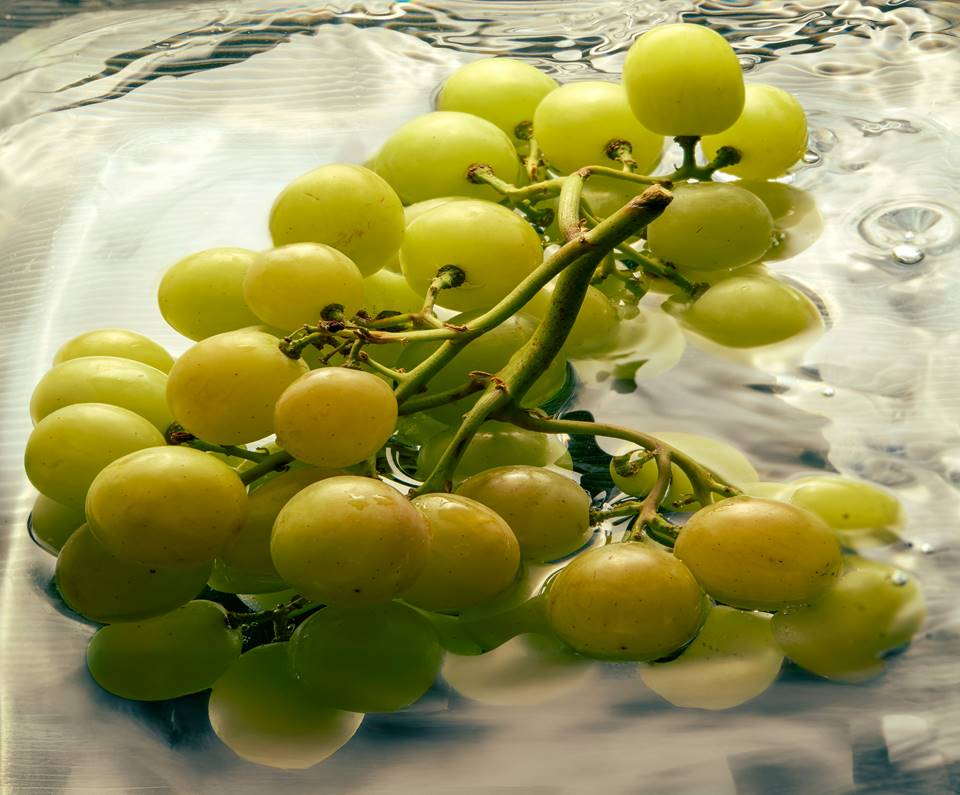
Sea Buckthorn (Hippophae rhamnoides) is a thorny shrub whose orange-yellow berries have attracted increasing scientific interest. Unlike many medicinal plants, Sea Buckthorn combines nutritional value with a broad phytochemical profile.
The fruit contains vitamin C, vitamin E, carotenoids, flavonoids, phenolic acids, phytosterols and distinctive fatty acids. Some published analyses have reported very high vitamin C concentrations, although values vary markedly between cultivars and growing regions.[3,4]
Health Benefits
Sea Buckthorn compounds may influence several biological pathways. Its flavonoids and phenolic compounds contribute to antioxidant activity, while carotenoids and fatty acids may support cellular and tissue protection.
Experimental research has reported anti-inflammatory, hepatoprotective, cardioprotective, neuroprotective, antimicrobial and gastrointestinal-protective activities.[3,4]
Recent research has also examined its potential influence on intestinal inflammation and gut microbiota. However, much of the mechanistic evidence remains preclinical, meaning that human clinical evidence does not yet justify treating Sea Buckthorn as a therapy for disease.[5]
2. Gotu Kola
Gotu Kola (Centella asiatica) is a leafy medicinal plant traditionally used in Ayurvedic and Southeast Asian medicine. It is also consumed as a leafy vegetable in some regions.
Its leaves provide protein, carbohydrates, minerals and vitamin C, while its medicinal importance is primarily associated with triterpenes, particularly asiaticoside, madecassoside, asiatic acid and madecassic acid.[6]
Health Benefits
Gotu Kola has demonstrated antioxidant, anti-inflammatory, wound-healing, neuroprotective and antimicrobial activities in experimental research.[6,7]
One important mechanism involves modulation of oxidative-stress and inflammatory pathways. Experimental studies have also investigated effects on mitochondrial function and Nrf2-related antioxidant responses.[7]
Human research is more limited. A systematic review and meta-analysis found insufficient strong evidence for broad improvements across cognitive domains, although some studies suggested effects on alertness and mood.[8] Clinical studies have also investigated Centella extracts in wound healing.[9]
Thus, Gotu Kola is promising, but its benefits should be discussed as research-supported potential rather than established treatment claims.
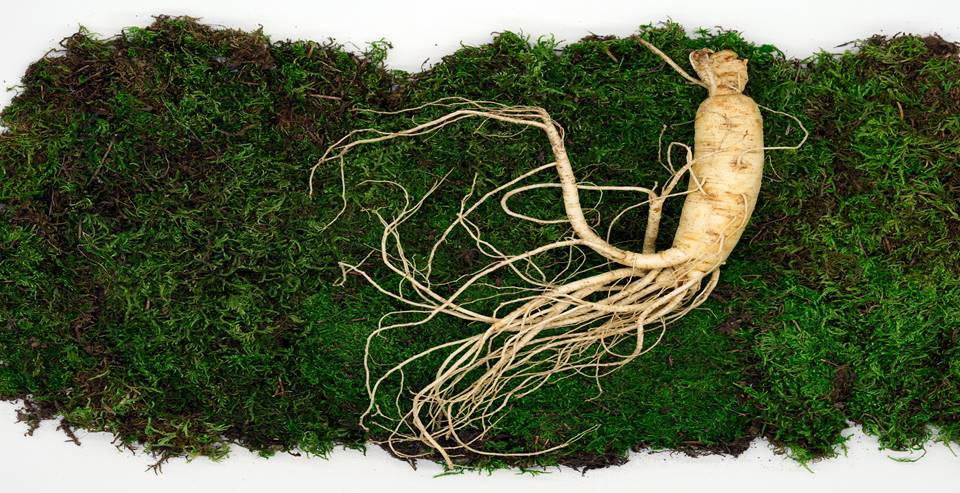
3. Shankhpushpi
Shankhpushpi occupies an interesting position in Indian herbal medicine. The name is traditionally associated with Convolvulus pluricaulis, but several other botanicals including Evolvulus alsinoides, Clitoria ternatea and Canscora decussate have historically been identified or marketed as Shankhpushpi.[1,2]
This botanical ambiguity is particularly important for research and product development because different species can possess different phytochemical profiles.
A pharmacognostic study of four plants used as Shankhpushpi reported differences in moisture, ash and other physicochemical characteristics and emphasized botanical authentication and chromatographic standardization.[2]
Health Benefits
Shankhpushpi has traditionally been associated with memory, intellect and nervous-system support. Experimental studies have investigated antioxidant, acetylcholinesterase-inhibitory, anxiolytic, antidepressant, neuroprotective and anti-stress activities.[1,2]
Potential mechanisms include modulation of cholinergic activity, protection against oxidative stress and effects on neurotransmission. However, considerably more well-controlled human research is needed before strong conclusions can be drawn.
4. Lion’s Mane Mushroom
Lion’s Mane (Hericium erinaceus) is technically a medicinal mushroom rather than a herb, but it deserves inclusion because of its distinctive nutritional and neurological research profile.
Dried Lion’s Mane has been reported to contain substantial protein and carbohydrate, together with dietary fibre, minerals and bioactive polysaccharides.[10,11]
Its most famous compounds are hericenones, predominantly associated with fruiting bodies, and erinacines, particularly associated with mycelial material. These compounds have attracted attention because of their effects on nerve growth factor (NGF)-related pathways.[10]
Health Benefits
Laboratory and animal studies suggest potential neurotrophic, neuroprotective, antioxidant, anti-inflammatory and immunomodulatory effects.[10,11]
Notably, a small double-blind placebo-controlled clinical trial involving older adults with mild cognitive impairment reported improved cognitive-function scores during 16 weeks of Lion’s Mane supplementation, although the effect declined after supplementation stopped.[12]
This is encouraging but not sufficient to establish Lion’s Mane as a treatment for dementia or neurodegenerative disease.
5. Andrographis
Andrographis (Andrographis paniculata), commonly known as Kalmegh, is a bitter medicinal plant widely used in traditional Indian and Asian systems.
Its nutritional composition includes protein, carbohydrate, fibre, minerals and vitamin C, although values vary according to plant material and analytical methodology.[13]
The most extensively studied phytochemical is andrographolide, a diterpene lactone responsible for much of the plant’s pharmacological interest.[14]
Health Benefits
Research has investigated Andrographis for anti-inflammatory, antioxidant, immunomodulatory, antimicrobial and hepatoprotective activities. Andrographolide has also been studied for effects on inflammatory signaling and several metabolic pathways.[14,15]
Clinical evidence is particularly interesting for uncomplicated upper respiratory tract infections. Randomized trials have reported reductions in cold-related symptoms with standardized Andrographis extracts, although results have varied between studies.[16,17]
Safety should also be considered. A systematic review and meta-analysis found that serious adverse events were rare, while non-serious effects particularly gastrointestinal or skin-related events could occur.[18]
Why These Five Ingredients Deserve More Research
These five ingredients represent different areas of botanical science:
- Sea Buckthorn: nutritional antioxidants, fatty acids and gastrointestinal/cardiometabolic research
- Gotu Kola: triterpenes, skin biology and neurological research
- Shankhpushpi: traditional cognitive applications and neuropharmacology
- Lion’s Mane: NGF-related research, β-glucans and functional nutrition
- Andrographis: andrographolide, immune and respiratory research
Their potential is scientifically interesting because their activity is not dependent on a single nutrient. Instead, each contains a complex matrix of phytochemicals that may interact with multiple molecular pathways.
However, the quality of evidence varies considerably. In vitro and animal findings are useful for identifying mechanisms and generating hypotheses, but they should not automatically be converted into human health claims. Standardization of botanical identity, extraction method, marker compounds, dose and safety is essential for meaningful clinical research.
Conclusion
Sea Buckthorn, Gotu Kola, Shankhpushpi, Lion’s Mane Mushroom and Andrographis are five relatively underexplored ingredients with substantial nutritional and pharmacological research potential. Their distinctive profiles range from vitamin-rich berries and mineral-containing leafy plants to neuroactive mushroom metabolites and diterpene lactones.
For modern nutraceutical development, the most important opportunity may be standardized, evidence-based formulations supported by botanical authentication, phytochemical characterization, appropriate safety testing and well-designed human studies.
These ingredients should therefore be viewed not as miracle cures, but as promising candidates for continued investigation in nutrition, functional foods and botanical science.
References
- Dubey NK, et al. An update on Shankhpushpi, a cognition-boosting Ayurvedic medicine. PubMed.
- Sethiya NK, Trivedi A, Patel MB, Mishra SH. Comparative pharmacognostical investigation on four ethnobotanicals traditionally used as Shankhpushpi in India. Journal of Advanced Pharmaceutical Technology & Research.
- The bioactive components as well as the nutritional and health effects of sea buckthorn. PubMed.
- Phytochemistry, health benefits, and food applications of Sea Buckthorn (Hippophae rhamnoides): A comprehensive review. Frontiers in Nutrition.
- Sea buckthorn bioactive metabolites and their pharmacological potential in digestive diseases. Frontiers in Pharmacology.
- Gotu Kola (Centella asiatica): Nutritional Properties and Plausible Health Benefits. PubMed.
- Therapeutic Potential of Centella asiatica and Its Triterpenes: A Review. Frontiers in Pharmacology.
- Effects of Centella asiatica on cognitive function and mood related outcomes: A Systematic Review and Meta-analysis. PubMed.
- The efficacy and side effects of oral Centella asiatica extract for wound healing promotion in diabetic wound patients. PubMed.
- Chemistry and bioactivities of erinacines from Hericium fungi. Journal of Natural Medicines.
- Lion’s Mane Mushroom: Nutritional Profile, Bioactive Compounds, Functional Properties, and Applications in Functional Food Systems. Journal of Food Science.
- Mori K, et al. Improving effects of the mushroom Yamabushitake (Hericium erinaceus) on mild cognitive impairment: a double-blind placebo-controlled clinical trial. Phytotherapy Research.
- Nutritional Quality and Phytochemical Analysis of the Leave and Stem of Andrographis Paniculata. Bulletin of Pure & Applied Sciences.
- Overview of pharmacological activities of Andrographis paniculata and its major compound andrographolide. PubMed.
- Multi-targeting Andrographolide and its Natural Analogs as Potential Therapeutic Agents. PubMed.
- Saxena RC, et al. A randomized double blind placebo controlled clinical evaluation of extract of Andrographis paniculata in patients with uncomplicated upper respiratory tract infection. PubMed.
- Efficacy and safety of AP-Bio (KalmCold) in participants with uncomplicated upper respiratory tract viral infection: a phase III randomized placebo-controlled trial. PubMed.
- Safety of Andrographis paniculata: A systematic review and meta-analysis. PubMed.