
Why Does Liver Health Matter Most? Simply put, the liver is a vital metabolic and detoxification organ located in the upper right side of the abdomen. It plays a crucial role in maintaining overall body balance, supporting digestion, processing nutrients, filtering toxins, and regulating essential biochemical functions for optimal health.
Medically, it regulates phase I and II detoxification pathways, synthesizes clotting factors, manages glycogen storage, and modulates lipid and protein metabolism.
When liver efficiency declines, even slightly, systemic imbalances begin to surface fatigue, digestive disturbances, metabolic irregularities, skin changes, and mental fog are often early manifestations.
The Lancet highlighted that chronic liver conditions are among the leading contributors to global morbidity, emphasizing that prevention and early lifestyle intervention significantly reduce long-term health burdens. In practical terms, liver health determines how efficiently the body converts food into usable energy, neutralizes environmental toxins, processes medications, and stores essential vitamins. This integrated control makes the liver a cornerstone of preventive healthcare and an emerging focus of nutraceutical innovation, where botanical extracts, antioxidants, and functional foods are increasingly researched for hepatoprotective potential.
Key Physiological Functions of the Liver You Should Know
1. Liver Detoxification: The Body’s Master Filtration System
Is detoxification merely a wellness buzzword, or does it have a true physiological basis? Scientifically, detoxification refers to the liver’s enzymatic conversion of harmful substances into water-soluble compounds for elimination. The liver performs this through two major biochemical phases involving cytochrome P450 enzymes and conjugation pathways. These processes neutralize alcohol metabolites, environmental pollutants, food additives, and pharmaceutical residues.
Nature Reviews Gastroenterology & Hepatology discussed how hepatic detox pathways protect cellular structures from oxidative injury and inflammatory stress. Contrary to marketing myths, the liver does not “store toxins”; rather, it continuously transforms and removes them. Nutritionally, antioxidants such as glutathione precursors, vitamin C, and polyphenols support these pathways, which explain the growing inclusion of milk thistle, N-acetyl cysteine, and turmeric in liver-support supplements.
2. Metabolism and Energy Storage: The Liver as an Energy Bank
The liver acts as a metabolic reservoir by storing glycogen and releasing glucose between meals. It also regulates lipid metabolism and cholesterol synthesis, balancing both energy supply and cardiovascular risk factors.
Samuel & Shulman described in The New England Journal of Medicine that hepatic insulin signaling as a pivotal determinant of metabolic health, linking impaired liver metabolism with conditions such as non-alcoholic fatty liver disease and type 2 diabetes. From a nutraceutical perspective, ingredients such as omega-3 fatty acids, berberine, and green tea catechins are frequently investigated for their ability to support lipid regulation and insulin sensitivity. The liver’s metabolic flexibility ultimately influences stamina, body weight, and long-term metabolic resilience.
3. Bile Production and Digestive Support
Why do digestive disturbances often accompany liver dysfunction? The explanation lies in bile production. Bile is an alkaline fluid synthesized in the liver and stored in the gallbladder, essential for emulsifying dietary fats and facilitating the absorption of fat-soluble vitamins A, D, E, and K. Without adequate bile flow, nutrient assimilation declines and gastrointestinal discomfort may arise.
Hofmann & Hagey emphasized that bile acids also act as signaling molecules influencing gut microbiota composition and metabolic pathways. This dual digestive and regulatory function positions bile as both a mechanical and biochemical contributor to wellness. Functional foods containing fiber, bitters, and phospholipids are increasingly promoted for supporting bile flow and digestive harmony.
4. Blood Clotting, Immunity, and Nutrient Storage Functions of the Liver
Beyond metabolism and digestion, the liver synthesizes essential clotting factors and immune proteins. It produces albumin for fluid balance and stores iron, copper, and vitamins B12 and D. These reserves ensure physiological continuity during periods of nutritional fluctuation or illness.
Friedman and coauthor stated in The Journal of the American Medical Association that hepatic protein synthesis plays a critical role in maintaining vascular integrity and immune responsiveness. A decline in these functions can manifest as easy bruising, edema, or recurrent infections. Nutraceutical strategies often focus on micronutrient sufficiency particularly zinc, selenium, and B-complex vitamins to preserve hepatic biochemical efficiency.
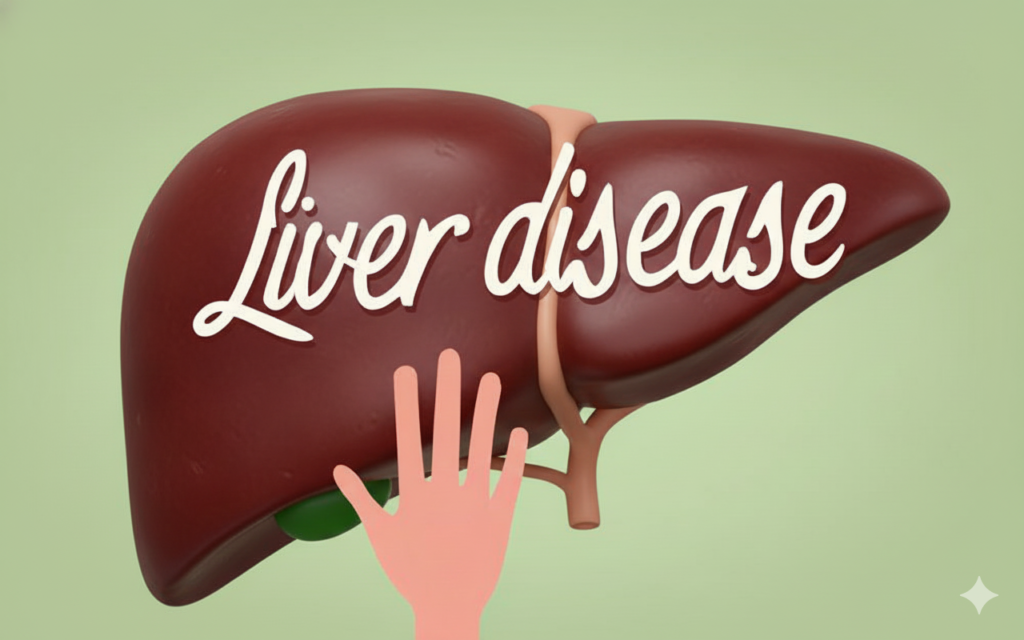
How Liver Health Influences Brain Function and Mental Clarity
Can liver health truly affect cognitive performance? Emerging evidence supports the concept of a liver-brain axis, where metabolic toxins and inflammatory mediators influence neurological activity. When detoxification pathways are compromised, ammonia and other by-products may accumulate, contributing to mental fog, irritability, and reduced concentration.
An author Butterworth, discussed how hepatic metabolic imbalances can alter neurotransmitter dynamics and cerebral energy metabolism. While severe manifestations occur in advanced liver disease, mild cognitive fatigue is increasingly associated with lifestyle-induced hepatic stress. Nutritional antioxidants, adequate hydration, and balanced glucose regulation appear to indirectly support mental clarity by stabilizing hepatic metabolic output. This connection explains the rising interest in liver-support botanicals within cognitive wellness supplements.
Daily Habits to Protect Your Liver
Healthy Diet
What dietary pattern best supports liver resilience? Evidence consistently favors whole-food, plant-forward diets rich in vegetables, fruits, legumes, whole grains, lean proteins, and healthy fats. Such diets provide antioxidants, fiber, and phytonutrients that reduce oxidative stress and lipid accumulation.
Oxford Academic noted that Mediterranean-style dietary patterns correlate with improved liver enzyme profiles and reduced fatty infiltration. Foods containing choline, such as eggs and soy, assist lipid transport, while cruciferous vegetables stimulate detoxification enzymes. In nutraceutical contexts, standardized herbal extracts and polyphenol complexes are often designed to complement not replace dietary foundations.
Weight Management
How strongly is body weight linked to liver health? Excess visceral fat increases hepatic lipid deposition, leading to metabolic strain. Even modest weight reduction improves enzyme markers and insulin sensitivity.
Bellentani and coauthors highlighted in the springer journal that sustained lifestyle modification yields measurable improvements in hepatic fat content and inflammatory status. The implication is clear: gradual, consistent weight management is more beneficial than extreme dieting. Functional nutrition programs increasingly integrate liver-support nutrients alongside structured exercise regimens.
Hydration
Why does hydration influence liver performance? Adequate water intake facilitates blood circulation, nutrient transport, and efficient elimination of metabolic by-products. Dehydration can slow enzymatic reactions and reduce detoxification efficiency.
MDPI Nutrients emphasized that optimal hydration status supports metabolic and renal–hepatic synergy. Herbal infusions, electrolyte-balanced fluids, and water-rich foods collectively contribute to maintaining physiological equilibrium and supporting detox pathways.
Reduce Alcohol Intake
Alcohol remains one of the most direct stressors to hepatic cells. Limiting intake reduces oxidative injury and inflammation.
The Lancet Gastroenterology & Hepatology underscored that even moderate reductions in alcohol consumption significantly decrease long-term liver disease risk. Public-health campaigns increasingly highlight alcohol moderation as a primary preventive strategy rather than a corrective one.
Choose Medicine Safely
Can common medications harm the liver? Yes, improper dosing or chronic misuse of certain drugs can overwhelm detox pathways. Responsible use, medical supervision, and awareness of herb-drug interactions are essential.
Navarro & Senior reported that drug-induced liver injury remains a leading cause of acute hepatic complications worldwide. Reading labels, avoiding unnecessary polypharmacy, and consulting healthcare professionals are simple yet powerful protective measures.
Bottom Line
The liver is not merely an auxiliary organ but a dynamic regulator of metabolism, detoxification, digestion, immunity, and cognitive stability. Scientific literature consistently demonstrates that proactive lifestyle practices balanced nutrition, weight control, hydration, moderated alcohol intake, and medication awareness collectively sustain hepatic efficiency. From a healthcare and nutraceutical standpoint, supporting liver function represents both a preventive and performance-enhancing strategy. Protecting liver health is therefore not an occasional wellness trend but a daily commitment that safeguards systemic balance, long-term vitality, and overall quality of life.