

Irritable Bowel Syndrome (IBS) is a common functional gastrointestinal disorder characterized by chronic abdominal discomfort and altered bowel habits in the absence of identifiable structural or biochemical abnormalities. It affects a significant proportion of the global population and is one of the leading causes of gastroenterology consultations. Although IBS is not life-threatening, it can substantially impair quality of life, productivity, and psychological well-being. Advances in gastrointestinal research have shifted the understanding of IBS from a purely psychosomatic condition to a complex disorder involving gut motility, visceral hypersensitivity, immune activation, and the gut-brain axis. A comprehensive understanding of IBS is essential for accurate diagnosis and effective long-term management.
Understanding Irritable Bowel Syndrome
IBS is classified as a functional bowel disorder, meaning symptoms arise from disturbances in gastrointestinal function rather than visible disease or tissue damage. The condition is primarily defined by recurrent abdominal pain associated with changes in stool frequency, stool form, or both.
Current diagnostic frameworks emphasize symptom-based criteria rather than exclusion alone, reflecting growing insight into the neurogastroenterological mechanisms underlying IBS. Abnormal communication between the central nervous system and the enteric nervous system plays a central role, leading to heightened pain perception and dysregulated bowel activity even in response to normal digestive processes.

Causes and Pathophysiology of IBS
The exact cause of IBS remains multifactorial and incompletely understood. One of the most recognized mechanisms is visceral hypersensitivity, where patients experience exaggerated pain responses to normal intestinal distension. Altered gastrointestinal motility contributes to diarrhea-predominant or constipation-predominant symptom patterns. Dysregulation of the gut-brain axis results in abnormal stress responses that directly influence bowel function. Psychological stress does not cause IBS but can exacerbate symptoms by altering autonomic nervous system signaling and intestinal permeability.
Low-grade inflammation and immune activation have been observed in subsets of IBS patients, particularly following episodes of acute gastroenteritis, a condition referred to as post-infectious IBS. Changes in the gut microbiota composition further contribute to symptom generation by affecting fermentation, gas production, and mucosal immune signaling. Hormonal influences also explain the higher prevalence of IBS in women and the fluctuation of symptoms during menstrual cycles.

Risk Factors for IBS
Several factors increase susceptibility to IBS. A history of gastrointestinal infections significantly raises the risk of developing chronic symptoms. Early-life stress, trauma, and adverse psychosocial experiences are associated with long-term alterations in stress responsiveness and gut sensitivity. Dietary patterns low in fiber and high in fermentable carbohydrates may exacerbate symptoms in susceptible individuals. Genetic predisposition appears to play a modest role, particularly in relation to serotonin signaling and immune regulation pathways.
Common Symptoms of IBS
IBS presents with a wide range of gastrointestinal symptoms that vary in intensity and frequency. Abdominal pain is the defining feature and is typically relieved or worsened by defecation. Patients often report bloating, abdominal distension, and excessive gas, which may occur even in the absence of increased intestinal gas volume. Altered bowel habits are central to IBS and include diarrhea, constipation, or an alternating pattern of both.
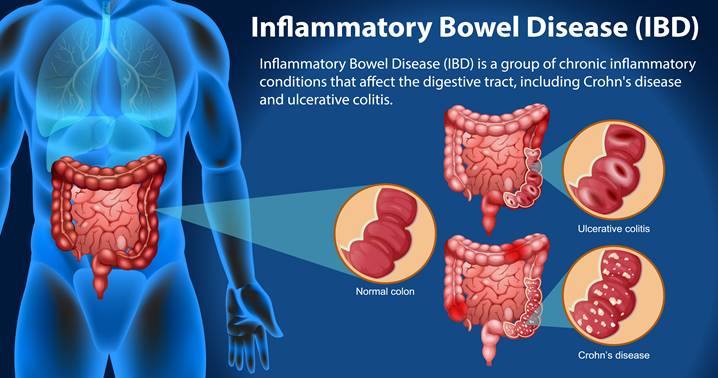
Based on predominant stool pattern, IBS is clinically categorized into IBS with predominant constipation, IBS with predominant diarrhea, IBS with mixed bowel habits, and unclassified IBS. Stool consistency may fluctuate, and urgency or a sensation of incomplete evacuation is common. Unlike inflammatory bowel disease, IBS does not cause nocturnal symptoms, rectal bleeding, or progressive weight loss.
Extra-Intestinal and Psychological Symptoms
IBS frequently coexists with non-gastrointestinal symptoms that reflect its systemic nature. Fatigue, headache, back pain, and urinary symptoms are commonly reported. Psychological comorbidities such as anxiety, depression, and sleep disturbances are prevalent and contribute to symptom severity rather than serving as primary causes. The bidirectional relationship between emotional health and gut function underscores the importance of holistic management approaches.
Complications and Impact on Quality of Life
IBS does not lead to structural bowel damage, cancer, or reduced life expectancy. However, its chronic and relapsing nature can significantly impair daily functioning. Persistent symptoms often result in dietary restriction, social withdrawal, work absenteeism, and increased healthcare utilization. Misdiagnosis or delayed diagnosis may lead to unnecessary investigations and treatments, adding to patient distress. The psychological burden associated with unpredictable bowel symptoms further amplifies disease impact.
Diagnosis of IBS
IBS is diagnosed using symptom-based clinical criteria, most commonly the Rome IV criteria, which require recurrent abdominal pain occurring at least once per week over the previous three months, associated with changes in bowel habits. A careful medical history and physical examination are essential to exclude alarm features such as anemia, gastrointestinal bleeding, unintentional weight loss, or family history of colorectal cancer.
Routine diagnostic testing is limited and guided by clinical presentation. Basic laboratory tests may be used to rule out celiac disease, inflammatory bowel disease, or thyroid dysfunction when indicated. Colonoscopy is not routinely required in young patients without warning signs. A positive diagnosis, rather than one of exclusion, helps improve patient confidence and treatment adherence.
Management and Treatment of IBS
Lifestyle and Behavioral Interventions
Lifestyle modification is a cornerstone of IBS management. Regular physical activity improves gut motility, reduces stress, and enhances overall well-being. Sleep hygiene and stress management techniques such as mindfulness, yoga, and cognitive behavioral strategies help modulate gut-brain signaling. Establishing regular meal patterns and avoiding prolonged fasting can stabilize bowel rhythms.
Dietary Management
Dietary interventions should be individualized and evidence-based. Many patients benefit from reducing fermentable oligosaccharides, disaccharides, monosaccharides, and polyols, commonly referred to as FODMAPs, which are poorly absorbed carbohydrates that increase intestinal fermentation. Gradual reintroduction helps identify personal triggers while maintaining nutritional adequacy. Adequate soluble fiber intake supports bowel regularity, particularly in constipation-predominant IBS, whereas excessive insoluble fiber may worsen symptoms in some individuals.
Clinical or Pharmacological Treatment
Medication selection depends on symptom subtype and severity. Antispasmodics help reduce abdominal pain by relaxing intestinal smooth muscle. Laxatives or secretagogues are used for constipation-predominant IBS, while antidiarrheal agents improve stool consistency and urgency in diarrhea-predominant IBS. Low-dose antidepressants, particularly tricyclic antidepressants and selective serotonin reuptake inhibitors, modulate pain perception and gut motility independent of their mood effects. Probiotics may offer benefit in selected patients, although strain-specific effects vary.
Psychological Therapies
Psychological interventions play a significant role in moderate to severe IBS. Gut-directed hypnotherapy, cognitive behavioral therapy, and stress reduction techniques have demonstrated efficacy in improving symptoms and quality of life. These approaches address central pain processing and maladaptive stress responses, reinforcing the importance of treating IBS as a disorder of gut–brain interaction.
Key Takeaway
IBS is a complex, multifactorial condition that requires a patient-centered, evidence-based approach to management. While IBS does not cause permanent intestinal damage, its impact on daily life can be profound. Early diagnosis, clear patient education, and individualized treatment strategies integrating lifestyle, dietary, psychological, and pharmacological therapies offer the best outcomes. With appropriate management, most individuals with IBS can achieve meaningful symptom control and long-term improvement in quality of life.