

Key Points To Remember: (1). COPD (Chronic Obstructive Pulmonary Disease): 3rd leading cause of death. Affects about 3.2 million globally. (2). Asthma: Impacts over 350 million people worldwide; the most common chronic disease in children. (3). Tuberculosis (TB): Over 10 million new cases and ~1.4 million deaths each year. (4). Pneumonia: Causes more than 2.4 million deaths annually, mainly among children under 5 and adults over 65. (5). Lung Cancer: Leads to ~1.8 million deaths per year.
What is Lung Disease?
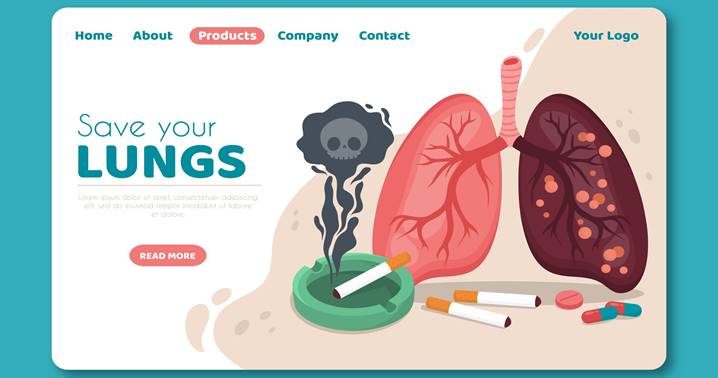
Lung diseases represent one of the most significant global health challenges, contributing to high mortality, long-term disability, and reduced quality of life.
It is a broad group of disorders that affect the airways, lung tissue, and pulmonary circulation. These conditions can be acute, such as pneumonia, or chronic, such as asthma and chronic obstructive pulmonary disease (COPD). Lung diseases interfere with breathing efficiency, oxygen delivery, and overall metabolic function. Conditions affecting the lungs impair the body’s ability to exchange oxygen and carbon dioxide, a process essential for survival. According to the World Health Organization, chronic respiratory diseases and acute lung infections together account for millions of deaths each year, making lung health a public health priority worldwide.
The New England Journal of Medicine highlights that chronic lung diseases often progress silently, with symptoms appearing only after significant lung damage has occurred. This makes early recognition and long-term management critical.
Causes of Lung Disease
Lung diseases develop due to a combination of environmental, infectious, genetic, and lifestyle-related factors. Exposure to air pollution, tobacco smoke, occupational dust, and chemical fumes remains a leading cause globally. Infectious agents such as bacteria, viruses, and fungi can cause acute or chronic lung infections, particularly in individuals with weakened immunity.
The Lancet Commission on Pollution and Health reports that air pollution alone is responsible for millions of respiratory-related deaths annually. Genetic conditions, such as alpha-1 antitrypsin deficiency, also predispose individuals to early-onset lung disease. Additionally, poor nutrition, sedentary lifestyle, and repeated respiratory infections increase vulnerability.
Common Symptoms of Lung Disease
Symptoms of lung disease vary depending on the underlying condition but commonly include chronic cough, shortness of breath, wheezing, chest tightness, and excessive mucus production. Fatigue and reduced exercise tolerance are frequent due to impaired oxygen delivery.
In more advanced stages, patients may experience cyanosis (bluish discoloration of lips or fingers), frequent respiratory infections, unintended weight loss, and sleep disturbances. Severe symptoms such as rapid breathing, confusion, or chest pain may indicate respiratory failure and require immediate medical attention.

Major Types of Lung Diseases
Chronic Obstructive Pulmonary Disease (COPD)
COPD is a progressive lung disease characterized by airflow limitation and chronic inflammation. It includes chronic bronchitis and emphysema and is strongly linked to long-term smoking and air pollution exposure. The Global Initiative for Chronic Obstructive Lung Disease (GOLD) guidelines identify COPD as a leading cause of death worldwide.
1. Asthma
Asthma is a chronic inflammatory condition marked by reversible airway narrowing. It often begins in childhood and is triggered by allergens, infections, exercise, or environmental irritants. The Journal of Allergy and Clinical Immunology reports that effective control can significantly reduce asthma-related hospitalizations.
2. Pneumonia
Pneumonia is an acute infection of the lung tissue caused by bacteria, viruses, or fungi. It remains a major cause of mortality, particularly among older adults and young children. Early diagnosis and appropriate antimicrobial treatment are essential for recovery.
3. Interstitial Lung Diseases
These disorders involve scarring and inflammation of lung tissue, leading to progressive breathlessness. Idiopathic pulmonary fibrosis is one of the most severe forms. The American Journal of Respiratory and Critical Care Medicine notes that these conditions often require long-term management and monitoring.
4. Lung Cancer
Lung cancer is the leading cause of cancer-related deaths globally. Smoking is the primary risk factor, but non-smokers may develop lung cancer due to environmental and genetic factors. Early detection significantly improves outcomes.
Diagnosis of Lung Diseases
Diagnosis of lung disease begins with a detailed medical history and physical examination. Pulmonary function tests assess airflow limitation and lung capacity. Imaging studies such as chest X-rays and CT scans help visualize lung structure and detect abnormalities.
Laboratory tests, including blood gas analysis and sputum examination, assist in identifying infections and inflammation. According to American Thoracic Society guidelines, early and accurate diagnosis improves treatment outcomes and slows disease progression.
Medical Treatment Options for Lung Disease
Treatment depends on the type and severity of lung disease. Bronchodilators and inhaled corticosteroids are commonly used to reduce airway inflammation and improve breathing in asthma and COPD. Antibiotics, antivirals, or antifungals are prescribed for infectious lung diseases based on the causative organism.
Oxygen therapy is essential for patients with chronic hypoxemia, while pulmonary rehabilitation programs improve exercise capacity and quality of life. In advanced cases, surgical interventions or lung transplantation may be considered. The Journal of Thoracic Disease emphasizes that personalized treatment plans are critical for long-term disease control.
How to Manage Lung Disease Naturally
Natural management strategies play an important supportive role alongside medical treatment. While they do not replace prescribed therapies, they can significantly enhance lung function, symptom control, and overall well-being.

Breathing Exercises and Pulmonary Rehabilitation
Controlled breathing techniques such as diaphragmatic breathing and pursed-lip breathing improve oxygen exchange and reduce breathlessness. The European Respiratory Journal reports that structured pulmonary rehabilitation programs improve functional capacity and reduce hospitalizations.
Nutrition for Lung Health
A nutrient-rich diet supports immune function and reduces inflammation. Diets rich in antioxidants, omega-3 fatty acids, fruits, vegetables, and whole grains help combat oxidative stress in lung tissue. Adequate protein intake supports respiratory muscle strength.
Physical Activity and Movement
Regular, moderate exercise enhances lung efficiency and cardiovascular fitness. Walking, cycling, and yoga improve respiratory endurance without overstraining the lungs. The American Lung Association highlights that consistent physical activity reduces symptom severity in chronic lung disease.
Avoiding Environmental Triggers
Reducing exposure to air pollution, tobacco smoke, indoor allergens, and occupational irritants is essential. Using air purifiers, improving ventilation, and wearing protective masks can significantly reduce symptom flare-ups.
Herbal and Traditional Support (Evidence-Informed)
Certain herbs, such as turmeric, ginger, and tulsi, possess anti-inflammatory and antioxidant properties. Phytotherapy studies published in Phytomedicine suggest potential supportive benefits, though these should be used cautiously and under medical guidance.
Stress Management and Sleep Optimization
Chronic stress worsens respiratory symptoms by increasing inflammation and breathing irregularities. Mindfulness, meditation, and adequate sleep improve respiratory control and immune resilience.
Prevention and Long-Term Lung Care
Preventive strategies include smoking cessation, vaccination against influenza and pneumonia, regular health screenings, and early treatment of respiratory infections. WHO guidelines emphasize that public health measures and lifestyle interventions are key to reducing the global burden of lung disease.
Bottom Line
Lung diseases impose a substantial burden of mortality and long-term disability worldwide. Early diagnosis, evidence-based medical treatment, and supportive natural management strategies together form the foundation of effective lung disease care. By combining clinical interventions with lifestyle modification, nutrition, exercise, and environmental control, individuals can significantly improve lung function, slow disease progression, and enhance quality of life.