

The Critical Role of Iron During Pregnancy
Iron supplements play a vital role during pregnancy, one of the most nutritionally demanding phases of a woman’s life. Among all essential micronutrients, iron is crucial for oxygen transport, energy production, and healthy fetal development. Iron requirements rise significantly during pregnancy as maternal blood volume expands, the placenta grows, and the developing baby builds iron stores needed for early infancy. Adequate iron supplementation helps support maternal health, reduce the risk of anemia, and promote optimal growth and development of the fetus.
According to global maternal health estimates, iron deficiency remains the most common micronutrient deficiency worldwide, particularly affecting pregnant women. This deficiency is not merely a nutritional concern but a significant public health issue linked to increased maternal morbidity, adverse birth outcomes, and long-term developmental consequences for the child. As a result, iron supplementation is universally recommended as a cornerstone of antenatal care.
The World Health Organization (WHO) and multiple national health authorities emphasize routine iron supplementation during pregnancy, recognizing that physiological needs often exceed what diet alone can supply, even in well-nourished populations.
What Iron Does in the Body: A Physiological Overview
Iron is a fundamental component of hemoglobin, the oxygen-carrying protein in red blood cells. Adequate iron levels ensure efficient oxygen delivery to maternal tissues and, crucially, to the developing fetus. Beyond hemoglobin synthesis, iron is also involved in myoglobin function, mitochondrial energy production, DNA synthesis, and immune system regulation.
The American Journal of Clinical Nutrition, with Beard and coauthors, highlights that iron plays a direct role in neurodevelopment by supporting neurotransmitter synthesis, myelination, and neuronal energy metabolism. During pregnancy, these functions become critical as the fetal brain undergoes rapid growth and differentiation.
Iron is also essential for placental health. Proper placental vascularization and function depend on sufficient oxygen delivery, which is iron-dependent. Inadequate iron availability can compromise placental efficiency, thereby affecting nutrient and oxygen transfer to the fetus.
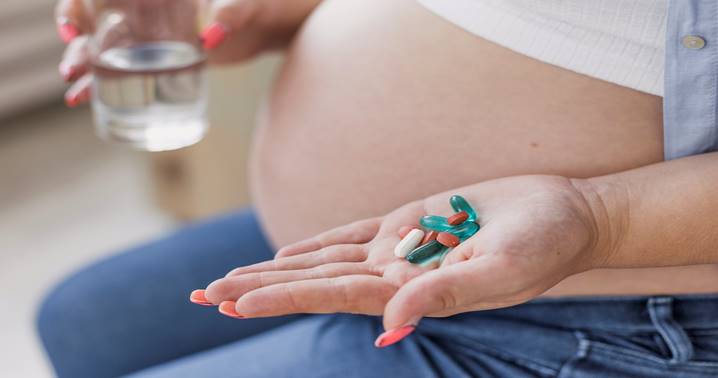
Health Risks of Low Iron Levels for the Mother
Iron deficiency during pregnancy most commonly manifests as iron deficiency anemia, characterized by reduced hemoglobin concentration and diminished oxygen-carrying capacity. Maternal anemia is associated with a spectrum of adverse health outcomes that extend beyond fatigue and weakness.
The British Medical Journal, citing Bothwell, reports that pregnant women with untreated iron deficiency face higher risks of infections, impaired physical performance, and reduced work capacity. Severe anemia increases the likelihood of cardiac strain due to compensatory increases in cardiac output.
One of the most serious maternal risks linked to iron deficiency is postpartum hemorrhage. Anemic women have reduced physiological reserves, making them less capable of tolerating blood loss during childbirth. This significantly raises the risk of maternal mortality, particularly in low-resource settings.
Additionally, iron deficiency has been associated with increased rates of antenatal depression and impaired cognitive function, further underscoring its systemic impact on maternal well-being.
Impact of Iron Deficiency on the Baby
The consequences of maternal iron deficiency extend directly to the developing fetus and newborn. Fetal iron supply is entirely dependent on maternal iron status, especially during the third trimester when fetal iron accumulation is most rapid.
The Journal of Pediatrics, with Lozoff and coauthors, demonstrates that infants born to iron-deficient mothers are at higher risk of low birth weight, preterm delivery, and intrauterine growth restriction. These outcomes are strongly associated with increased neonatal morbidity and mortality.
Beyond birth outcomes, iron deficiency during fetal life has lasting neurodevelopmental implications. The Lancet, through work by Georgieff, reports that inadequate iron during critical windows of brain development can lead to persistent deficits in cognition, attention, and motor development, even when iron deficiency is corrected later in life.
Infants born with low iron stores are also more susceptible to early-life anemia, impaired immune responses, and delayed psychomotor development, reinforcing the intergenerational impact of maternal iron deficiency.
Why Diet Alone Is Often Not Enough During Pregnancy
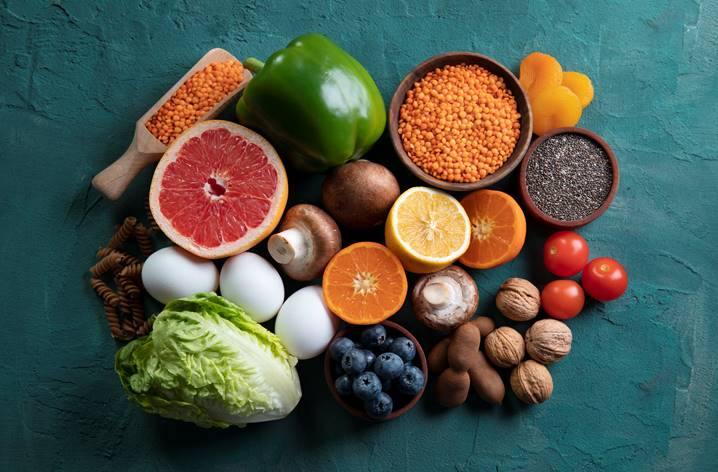
While iron-rich foods such as green leafy vegetables, legumes, whole grains, and animal products contribute to daily intake, dietary iron alone is frequently insufficient to meet pregnancy demands. This limitation arises from both increased physiological requirements and poor iron bioavailability.
Non-heme iron, which constitutes the majority of iron in plant-based diets, has low absorption efficiency and is further inhibited by dietary factors such as phytates, polyphenols, and calcium. Even heme iron absorption from animal sources may not fully compensate for pregnancy-related needs.
The Food and Nutrition Bulletin, authored by Hurrell, emphasizes that iron requirements during pregnancy nearly double compared to non-pregnant states, making reliance on diet alone impractical for most women. Nausea, vomiting, food aversions, and gastrointestinal discomfort during pregnancy further compromise dietary adequacy.
These challenges explain why iron deficiency remains prevalent even among women who consume seemingly balanced diets.
Role of Iron Supplements in Pregnancy
Iron supplementation serves as a practical and evidence-based strategy to bridge the gap between dietary intake and physiological demand. Supplements provide a concentrated, bioavailable source of iron that supports hemoglobin synthesis and replenishes maternal iron stores.
The World Health Organization Guidelines on Antenatal Care recommend routine daily iron supplementation throughout pregnancy to reduce the risk of maternal anemia, puerperal sepsis, low birth weight, and preterm birth. These recommendations are echoed by national health authorities across both developed and developing countries.
The Cochrane Database of Systematic Reviews, through Peña-Rosas and coauthors, confirms that preventive iron supplementation significantly reduces maternal anemia at term and improves birth outcomes without increasing serious adverse effects.
Iron supplements are particularly crucial in populations with high baseline anemia prevalence, short inter-pregnancy intervals, or predominantly plant-based diets. When taken consistently under medical supervision, supplementation remains one of the most cost-effective maternal health interventions.
Safety, Absorption, and Compliance Considerations
While iron supplementation is essential, appropriate dosing and adherence are key to maximizing benefits and minimizing side effects. Common gastrointestinal side effects such as nausea, constipation, or abdominal discomfort are generally mild and manageable.
The Journal of Obstetrics and Gynaecology Research, with Milman, notes that taking iron supplements with vitamin C enhances absorption, while spacing them away from calcium-rich foods and beverages improves bioavailability.
Healthcare providers play a critical role in counseling pregnant women on correct usage, addressing misconceptions, and ensuring regular hemoglobin monitoring. Importantly, iron supplementation should be individualized based on baseline iron status and clinical assessment, reinforcing the need for routine antenatal screening.
Bottom Line
Iron supplementation during pregnancy is not optional; it is a scientifically validated, guideline-driven necessity that protects both maternal and fetal health. Adequate iron status reduces maternal morbidity, supports safe childbirth, and lays the foundation for optimal fetal growth and lifelong cognitive potential.
Investing in maternal iron nutrition is, ultimately, an investment in healthier mothers, stronger newborns, and improved population health outcomes.
References
- WHO Recommendations on Antenatal Care for a Positive Pregnancy Experience.
World Health Organization; Geneva, Switzerland. 2016. - Daily Iron and Folic Acid Supplementation in Pregnant Women.
WHO Guideline. Geneva; 2012 (updated guidance referenced in 2020 antenatal nutrition recommendations). - Peña-Rosas JP, De-Regil LM, Garcia-Casal MN, Dowswell T. Daily oral iron supplementation during pregnancy. Cochrane Database of Systematic Reviews. 2015; Issue 7: CD004736.
- Bothwell TH. Iron requirements in pregnancy and strategies to meet them. British Medical Journal (BMJ). 2000; 321(7270): 954-955.
- Beard JL. Iron deficiency alters brain development and functioning. American Journal of Clinical Nutrition. 2003; 78(2): 229-234.
- Georgieff MK. Iron deficiency in pregnancy. The Lancet. 2020; 396(10259): 185-186.
- Lozoff B, Beard J, Connor J, Barbara F, Georgieff M, Schallert T. Long-lasting neural and behavioral effects of iron deficiency in infancy. Journal of Pediatrics. 2006; 149(5): 652-659.
- Hurrell R, Egli I. Iron bioavailability and dietary reference values. Food and Nutrition Bulletin. 2010; 31(2 Suppl): S125-S146.
- Milman N. Iron prophylaxis in pregnancymgeneral or individual and in which dose? Journal of Obstetrics and Gynaecology Research. 2011; 37(10): 1344-1352.
- Institute of Medicine (IOM). Dietary Reference Intakes for Iron. National Academies Press; Washington DC. 2001.
- Black RE, Victora CG, Walker SP, et al. Maternal and child undernutrition and overweight in low-income and middle-income countries. The Lancet. 2013; 382(9890): 427-451.
- Centers for Disease Control and Prevention (CDC). Recommendations to prevent and control iron deficiency in the United States. MMWR. 1998; 47(RR-3): 1-29.