

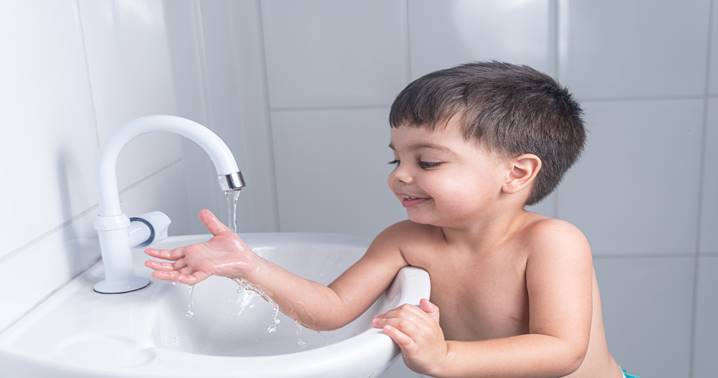
Handwashing after using the toilet is one of the simplest yet most powerful public health interventions. When children skip this essential hygiene step, they unintentionally expose themselves and those around them to harmful pathogens that can cause gastrointestinal, respiratory, and systemic infections. According to global health authorities, unwashed hand hygiene remains a leading contributor to preventable childhood illness, particularly in home and school environments. The World Health Organization emphasizes that proper handwashing with soap can reduce diarrheal diseases by up to 40% and respiratory infections by nearly 25%. Despite this, many children either forget, rush, or are not adequately supervised after using the toilet, creating a hidden but significant health risk.
Why Handwashing After Toilet Use Matters for Children
Children’s immune systems are still developing, making them more vulnerable to infections transmitted through contaminated hands. Toilet use introduces direct exposure to fecal matter, which contains millions of microorganisms even when the child appears “clean.”
The Centers for Disease Control and Prevention states that human feces can carry pathogens such as Escherichia coli, Salmonella, Shigella, norovirus, and rotavirus. Without handwashing, these microbes remain on the skin and are easily transferred to the mouth, nose, eyes, food, toys, and surfaces.
The Journal of Pediatrics highlights that children frequently touch their faces up to 20 times per hour, dramatically increasing the likelihood of self-inoculation when hands are unwashed. This behavioral pattern makes post-toilet hand hygiene especially critical in early childhood.
Common Germs Transmitted Through Unwashed Hands
Unwashed hands act as vehicles for disease transmission, particularly for pathogens spread via the fecal oral route.
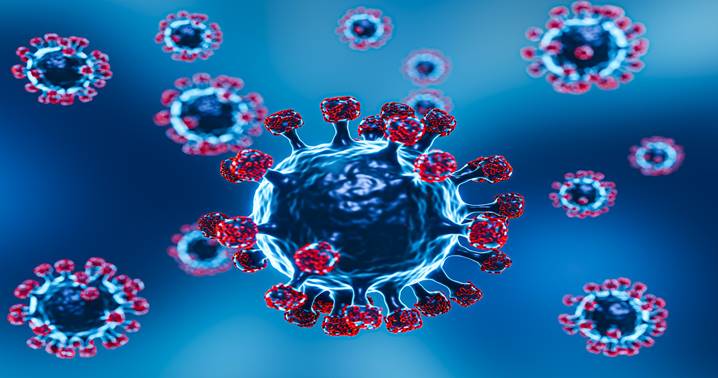
The Journal of Clinical Microbiology reports that E. coli and Shigella are among the most common causes of pediatric diarrhea linked to poor hand hygiene. These bacteria can survive on hands and surfaces for hours. The New England Journal of Medicine documents that norovirus, one of the leading causes of acute gastroenteritis in children, requires as few as 18 viral particles to cause infection. Handwashing with soap is far more effective than water alone in removing these viruses. The Lancet Infectious Diseases further notes that rotavirus, although vaccine-preventable, continues to circulate in environments where hand hygiene is inconsistent, particularly among younger children.
Health Effects of Poor Hand Hygiene in Children
Failure to wash hands after using the toilet can result in a wide spectrum of health problems, ranging from mild discomfort to serious complications.
The World Journal of Gastroenterology explains that repeated diarrheal infections in early childhood are associated with malnutrition, impaired gut integrity, and delayed cognitive development. Frequent illness also leads to school absenteeism and reduced learning capacity. The Pediatrics Journal reports that unwashed hands contribute not only to gastrointestinal infections but also to respiratory illnesses such as colds, influenza, and pneumonia, as pathogens are transferred from hands to the respiratory tract. Skin infections are another overlooked consequence. The British Journal of Dermatology identifies that bacteria transferred from fecal contamination can exacerbate conditions like impetigo and eczema, particularly in children with sensitive skin.
How Unwashed Hands Spread Illness at Home
The home environment becomes a silent transmission hub when hand hygiene is neglected. Children touch door handles, furniture, remote controls, toys, books, and kitchen surfaces shortly after toilet use.
The American Journal of Infection Control demonstrates that household surfaces can remain contaminated for hours to days, facilitating indirect transmission to siblings, parents, and caregivers. The Journal of Applied Microbiology found that pathogens from unwashed hands frequently contaminate shared food items, leading to family-wide outbreaks of stomach infections. This risk is particularly high in homes with infants, elderly members, or immunocompromised individuals. Notably, infections acquired at home often circulate repeatedly among family members, creating a cycle of reinfection that could be prevented with consistent handwashing.
Making Handwashing a Daily Habit for Kids
Establishing handwashing as a routine behavior requires consistency, education, and positive reinforcement rather than fear-based messaging.
The UNICEF Hand Hygiene Guidelines emphasize teaching children the “why” behind handwashing in age-appropriate language. Visual cues, such as posters near sinks, and engaging techniques like singing a 20-second song can improve compliance.
The Journal of School Health reports that children are significantly more likely to wash their hands when adults model the behavior. Parental involvement and supervision are therefore critical, especially for younger children.
Using soap, not just water, is essential. The WHO Guidelines on Hand Hygiene confirm that soap breaks down grease and microbial membranes, removing pathogens more effectively than rinsing alone. Alcohol-based sanitizers may be useful when soap and water are unavailable, but they are not a substitute after toilet use when hands are visibly soiled.
Key Takeaways for Parents
Handwashing after toilet use is not optional; it is a foundational health behavior that protects children and families alike.
The Journal of Global Health estimates that inadequate hand hygiene contributes to hundreds of thousands of preventable child deaths annually, primarily from diarrheal diseases. Parents play a decisive role in shaping hygiene habits that last into adulthood. Consistent reminders, accessible handwashing facilities, child-friendly soap, and calm repetition help transform handwashing from a chore into an automatic habit. Importantly, reinforcing hand hygiene also teaches children responsibility, self-care, and respect for others’ health values that extend beyond infection prevention.
Summary
Not washing a child’s hands after using the toilet may seem like a small oversight, but the health consequences can be worse. From gastrointestinal and respiratory infections to household-wide illness spread, the evidence is unequivocal: proper hand hygiene saves lives.
The World Health Organization and Centers for Disease Control and Prevention consistently identify handwashing with soap as one of the most effective, low-cost public health measures available. When taught early and practiced consistently, it dramatically reduces disease burden, improves child well-being, and fosters lifelong healthy habits.