

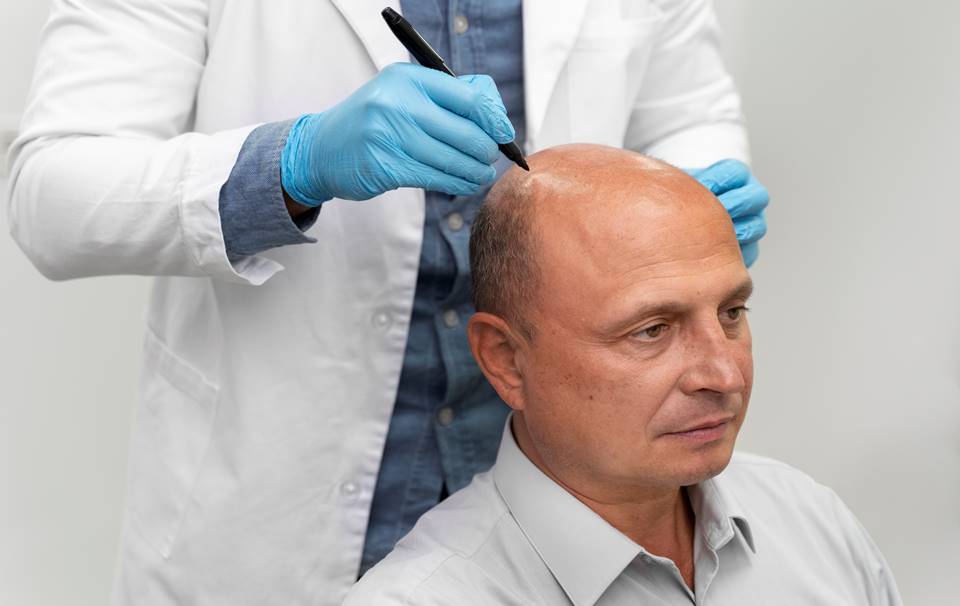
Alopecia (Hair loss) affects millions of people worldwide and can significantly impact self-confidence and quality of life. Alopecia is a broad medical term used to describe hair loss from the scalp or other parts of the body. While some forms of alopecia are temporary and reversible, others may lead to permanent hair loss if not diagnosed and managed early.
Recent clinical research suggests that genetics, autoimmune disorders, hormonal imbalances, nutritional deficiencies, stress, medications, and environmental factors all contribute to various forms of alopecia. Understanding the different types, recognizing early symptoms, and adopting preventive measures can help preserve hair health and improve treatment outcomes.
What Is Alopecia?
Alopecia refers to partial or complete hair loss from areas where hair normally grows. It is not a single disease but a group of disorders characterized by hair thinning, patchy hair loss, or complete baldness.
Hair growth occurs in cycles involving:
- Anagen (growth phase)
- Catagen (transition phase)
- Telogen (resting phase)
Disruptions in these cycles can trigger excessive shedding or impaired hair regrowth. According to dermatological research, approximately 50% of men and women experience noticeable hair loss by the age of 50, making alopecia one of the most common dermatological concerns worldwide.
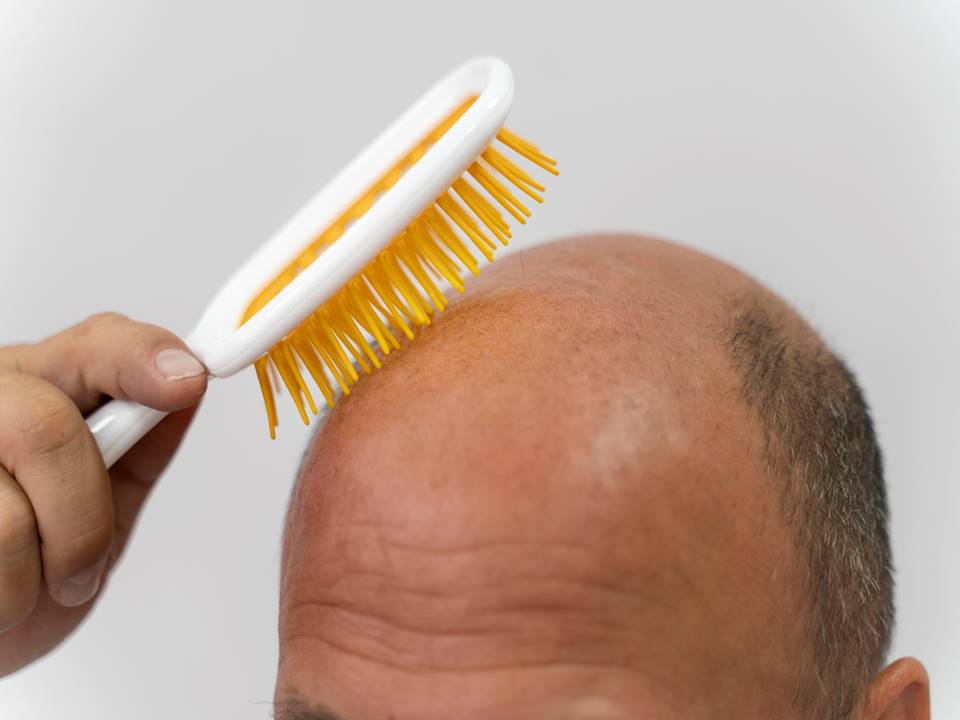
Major Types of Alopecia
1. Androgenetic Alopecia (Male and Female Pattern Hair Loss)
This is the most common form of alopecia.
Characteristics:
- Gradual thinning of hair
- Receding hairline in men
- Widening of the central part in women
- Strong genetic influence
Clinical studies indicate that dihydrotestosterone (DHT) contributes significantly to follicular miniaturization in genetically susceptible individuals.
2. Alopecia Areata
Alopecia areata is an autoimmune condition in which the immune system mistakenly attacks hair follicles.
Characteristics:
- Round or oval bald patches
- Sudden onset
- Can affect scalp, beard, eyebrows, and eyelashes
- Hair follicles remain alive, allowing regrowth in many cases
Research published in the Journal of the American Academy of Dermatology identifies T-cell-mediated autoimmune activity as the primary mechanism behind alopecia areata.
3. Alopecia Totalis
This severe form of alopecia areata causes complete loss of scalp hair.
Which Type of Alopecia Is More Dangerous for Hair Loss?
While all forms of alopecia can affect appearance and psychological well-being, scarring alopecia is generally considered the most dangerous because hair follicles are permanently destroyed. Among non-scarring forms, alopecia universalis and alopecia totalis represent more severe disease due to extensive hair loss and higher psychosocial burden.
Alopecia areata can also progress unpredictably from small patches to total scalp or body hair loss in some individuals. Early diagnosis by a dermatologist is crucial because prompt treatment may preserve remaining hair follicles and improve outcomes.
Symptoms of Alopecia Areata
Alopecia areata often develops suddenly and may be difficult to predict.
Common Symptoms
Patchy Hair Loss
- One or more smooth, round bald patches
- Usually on the scalp
- May occur in beard areas
Exclamation Mark Hairs
Short hairs that narrow at the base and widen at the tip are considered a hallmark clinical sign.
Nail Changes
Studies report that 10-20% of patients may experience:
- Nail pitting
- Rough nails
- Nail ridges
Rapid Hair Shedding: Hair may fall out over days or weeks.
Eyebrow and Eyelash Loss: Some individuals develop thinning or complete loss of eyebrow and eyelash hair.
Tingling or Itching: A mild burning, tingling, or itching sensation may precede hair loss.
How to Prevent Alopecia
Not all forms of alopecia can be prevented, particularly those strongly influenced by genetics or autoimmune mechanisms. However, several evidence-based strategies may reduce risk and support healthier hair growth.
Maintain a Nutrient-Rich Diet
Hair follicles require adequate nutrients for growth.
Important nutrients include:
- Protein
- Iron
- Zinc
- Vitamin D
- Vitamin B12
- Folate
- Selenium
- Omega-3 fatty acids
Research consistently links nutritional deficiencies with increased hair shedding and poor hair quality.
Manage Stress Effectively
Chronic stress can contribute to telogen effluvium and may worsen autoimmune hair disorders.
Avoid Aggressive Hair Styling
Reduce excessive tension caused by:
- Tight hairstyles
- Frequent chemical treatments
- Excessive heat styling
Treat Underlying Medical Conditions
Conditions associated with hair loss include:
- Thyroid disorders
- Iron-deficiency anemia
- Autoimmune diseases
- Polycystic ovary syndrome (PCOS)
Protect the Scalp
Maintaining scalp health through gentle cleansing and protection from excessive sun exposure may support follicular function.
Can Supplements Prevent Alopecia?
Supplements can be beneficial when hair loss is associated with nutritional deficiencies. However, current clinical evidence does not support supplements as a universal cure or guaranteed preventive strategy for alopecia.
Vitamin D: Several studies have found lower vitamin D levels in patients with alopecia areata. Supplementation may be beneficial when deficiency is confirmed through laboratory testing.
Iron: Iron deficiency is frequently associated with hair shedding, especially among women. Correcting deficiency often improves hair growth.
Zinc: Zinc plays an important role in hair follicle function and immune regulation. Some research suggests that zinc deficiency may contribute to alopecia areata and diffuse hair loss.
Biotin: Biotin supplementation is often marketed for hair growth. However, clinical evidence suggests benefits primarily in individuals with confirmed biotin deficiency, which is relatively uncommon.
Omega-3 Fatty Acids: These healthy fats possess anti-inflammatory properties and may support scalp health.
Multivitamin and Mineral Formulations: Patients with multiple nutrient deficiencies may benefit from carefully formulated supplements under medical supervision.
What Clinical Evidence Says
A 2023 review in Dermatology and Therapy concluded that correcting deficiencies in vitamin D, iron, zinc, and other micronutrients may support hair growth in selected patients, but routine supplementation without documented deficiency lacks strong evidence.
For autoimmune forms such as alopecia areata, treatments targeting immune dysfunction including corticosteroids and newer Janus kinase (JAK) inhibitors have demonstrated stronger clinical efficacy than nutritional supplements alone.
Bottom Line
Alopecia encompasses a diverse group of hair loss disorders ranging from common pattern baldness to autoimmune and scarring conditions. Alopecia areata is characterized by sudden patchy hair loss caused by an immune attack on hair follicles, while scarring alopecia is generally the most concerning form because hair loss can become permanent.
Although no single strategy can completely prevent alopecia, maintaining nutritional adequacy, managing stress, protecting the scalp, and addressing underlying medical conditions may help support healthy hair growth. Supplements such as vitamin D, iron, zinc, and omega-3 fatty acids may be useful when deficiencies exist, but they should not be viewed as standalone treatments for all types of hair loss.
References
- Dolečková I, Kušnierik P, Berka V, et al. Oral sodium hyaluronate improves skin hydration, barrier function and signs of aging: a randomized, double-blind, placebo-controlled trial in 150 healthy adults. Scientific Reports. 2025.
- Gao YR, et al. Oral administration of hyaluronic acid to improve skin conditions. Skin Research and Technology. 2023.
- Oe M, Sakai S, Yoshida H, et al. Oral Hyaluronan Relieves Wrinkles and Improves Dry Skin. Nutrients. 2021.
- Gold MH, et al. Multicenter Evaluation of a Topical Hyaluronic Acid Serum. Dermatology and Therapy. 2022.
- Meta-analysis of Oral Hyaluronic Acid Supplementation for Skin Health. Journal of Drugs in Dermatology. 2025.