


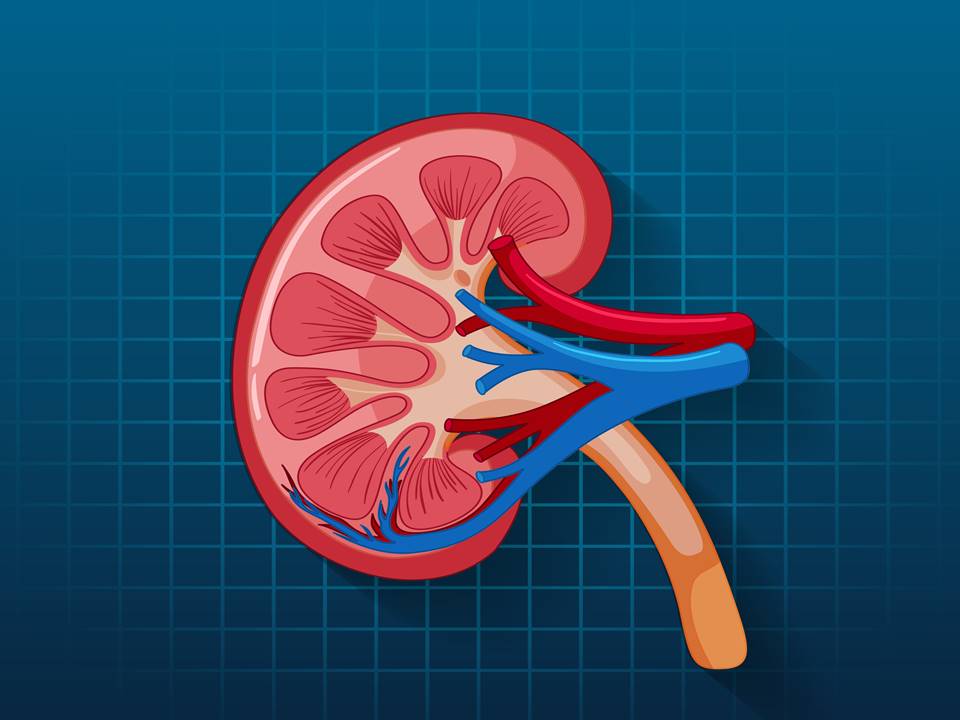
Best Supplements for Kidney Health can play a supportive role in maintaining optimal kidney function, especially when combined with a balanced diet and healthy lifestyle. Kidneys are among the most vital organs in the human body, filtering approximately 180 liters of blood daily to remove waste products, maintain electrolyte balance, regulate blood pressure, support red blood cell production, and manage fluid levels. However, factors such as diabetes, hypertension, obesity, aging, poor dietary habits, and certain medications can gradually impair kidney function.
Chronic Kidney Disease (CKD) now affects an estimated 850 million people worldwide, making kidney health a growing public health concern. Appropriate nutritional support and evidence-based supplementation may help address nutrient deficiencies and support overall kidney wellness.
While supplements cannot cure kidney disease, specific vitamins and nutrients may help support kidney health, address nutritional deficiencies common in people with impaired kidney function, and potentially reduce complications associated with CKD. However, supplementation should always be individualized and guided by healthcare professionals because excessive intake of certain nutrients may be harmful in kidney disorders.
Why Nutritional Support Matters for Kidney Health
As kidney function declines, the body’s ability to maintain optimal levels of vitamins, minerals, and hormones becomes compromised. Nutrient deficiencies are particularly common among people with CKD due to dietary restrictions, reduced absorption, medication interactions, inflammation, and dialysis-related nutrient losses.
Clinical guidelines from the Kidney Disease: Improving Global Outcomes (KDIGO) organization emphasize the importance of assessing and correcting nutritional deficiencies in patients with chronic kidney disease. Appropriate supplementation may help improve bone health, reduce anemia, support cardiovascular function, and enhance quality of life.

Key Supplements for Kidney Support
1. Vitamin D
Vitamin D is one of the most important nutrients for individuals concerned about kidney health. Healthy kidneys convert inactive vitamin D into its biologically active form, calcitriol. As kidney function declines, this conversion becomes impaired, resulting in vitamin D deficiency.
How Vitamin D Supports Kidney Health
Vitamin D plays a crucial role in:
- Calcium and phosphorus regulation
- Bone mineralization
- Immune system function
- Inflammation control
- Parathyroid hormone regulation
Vitamin D deficiency is highly prevalent among CKD patients and is associated with increased cardiovascular risk, bone disorders, and disease progression.
Clinical Evidence
A systematic review published in the American Journal of Kidney Diseases found that vitamin D supplementation effectively improves vitamin D status and reduces elevated parathyroid hormone levels in CKD patients. Research also suggests that adequate vitamin D levels may help reduce proteinuria and inflammatory markers in some individuals with kidney disease (Pilz et al., 2011; Kandula et al., 2011).
Healthcare providers often monitor serum 25-hydroxyvitamin D levels and prescribe supplementation when necessary.
2. B-Complex Vitamins
B vitamins are water-soluble nutrients essential for energy metabolism, nerve function, and red blood cell production. Individuals with kidney disease frequently experience deficiencies because these vitamins can be lost during dialysis and may be limited by dietary restrictions.
How B-Complex Vitamins Support Kidney Health
Important B vitamins include:
- Vitamin B1 (Thiamine)
- Vitamin B2 (Riboflavin)
- Vitamin B6 (Pyridoxine)
- Vitamin B9 (Folate)
- Vitamin B12 (Cobalamin)
These nutrients contribute to:
- Healthy metabolism
- Reduced fatigue
- Red blood cell formation
- Homocysteine regulation
- Nervous system support
Clinical Evidence
Elevated homocysteine levels are common in CKD and are linked to cardiovascular complications. Studies indicate that folic acid and vitamin B12 supplementation can effectively reduce homocysteine concentrations, although the impact on cardiovascular outcomes remains under investigation (House et al., 2010).
Clinical practice guidelines frequently recommend renal-specific B-complex formulations for dialysis patients to replace nutrients lost during treatment.
3. Iron Supplements
Anemia is one of the most common complications of chronic kidney disease. Healthy kidneys produce erythropoietin, a hormone that stimulates red blood cell production. When kidney function declines, erythropoietin production decreases, often leading to anemia.
How Iron Supports Kidney Health
Iron is essential for:
- Hemoglobin synthesis
- Oxygen transport
- Energy production
- Reduction of fatigue and weakness
Without sufficient iron, anemia treatment becomes less effective, even when erythropoiesis-stimulating agents are used.
Clinical Evidence
KDIGO guidelines recommend routine screening for iron deficiency in CKD patients. Numerous clinical trials have demonstrated that iron supplementation, particularly intravenous iron in advanced CKD, improves hemoglobin levels and reduces the need for erythropoiesis-stimulating medications (Macdougall et al., 2014).
Iron supplementation should only be initiated after laboratory confirmation because excessive iron accumulation may be harmful.
4. Calcium
Calcium plays a critical role in bone health, nerve transmission, muscle contraction, and cardiovascular function. However, calcium balance becomes increasingly complex in chronic kidney disease.
How Calcium Supports Kidney Health
Adequate calcium helps:
- Maintain bone strength
- Prevent mineral and bone disorders
- Support muscle function
- Regulate nerve signaling
Kidney disease often disrupts calcium-phosphorus balance, contributing to bone loss and vascular calcification.
Clinical Evidence
Research indicates that maintaining appropriate calcium levels is essential for preventing CKD-related mineral and bone disorders (CKD-MBD). Calcium supplementation may be recommended in selected patients with low calcium intake or deficiency; however, excessive supplementation may increase the risk of vascular calcification and kidney stones (KDIGO CKD-MBD Guidelines, 2017).
Therefore, calcium supplementation should always be personalized and monitored by healthcare professionals.
5. Omega-3 Fatty Acids
Omega-3 fatty acids, particularly EPA (eicosapentaenoic acid) and DHA (docosahexaenoic acid), are widely recognized for their anti-inflammatory and cardiovascular benefits.
How Omega-3 Fatty Acids Support Kidney Health
Omega-3s may help:
- Reduce inflammation
- Improve cardiovascular health
- Lower triglyceride levels
- Support blood vessel function
- Potentially reduce proteinuria
Since cardiovascular disease remains the leading cause of death among CKD patients, omega-3 fatty acids offer important protective benefits.
Clinical Evidence
Several systematic reviews have shown that omega-3 supplementation may modestly reduce proteinuria and inflammatory markers in individuals with chronic kidney disease. Research published in the Clinical Journal of the American Society of Nephrology suggests omega-3 fatty acids may contribute to preserving kidney function in selected populations (Miller et al., 2009).
Although more long-term studies are needed, omega-3s remain one of the most promising nutritional interventions for kidney support.
How to Nourish Kidney Health with Foods
While supplements can be beneficial, nutrition remains the cornerstone of kidney health. A balanced diet rich in whole foods provides essential nutrients while reducing strain on the kidneys.
Include Kidney-Friendly Foods
Focus on:
- Berries
- Apples
- Cabbage
- Cauliflower
- Garlic
- Onions
- Bell peppers
- Fish rich in omega-3s
- Egg whites
- Olive oil
Control Sodium Intake
Excess sodium contributes to:
- High blood pressure
- Fluid retention
- Increased kidney workload
Most experts recommend limiting processed foods and excess salt consumption.
Stay Hydrated
Adequate hydration supports waste removal and kidney filtration. Individual fluid requirements vary based on age, health status, climate, and kidney function.
Manage Blood Sugar and Blood Pressure
Diabetes and hypertension remain the leading causes of chronic kidney disease worldwide. Maintaining healthy blood glucose and blood pressure levels significantly reduces kidney damage risk.
Limit Ultra-Processed Foods
Highly processed foods often contain excess sodium, phosphorus additives, and unhealthy fats that may accelerate kidney dysfunction.
Safety Considerations
Not all supplements are safe for people with kidney disease. Some herbal products, high-dose vitamin A, excess vitamin C, potassium-containing supplements, and certain mineral formulations may worsen kidney problems or interact with medications.
Before starting any supplement:
- Consult a nephrologist or healthcare provider.
- Review current medications.
- Monitor kidney function regularly.
- Avoid self-prescribing high doses.
Bottom Line
Kidney health depends on a combination of proper nutrition, healthy lifestyle habits, and appropriate medical care. Among the most evidence-supported supplements for kidney support are vitamin D, B-complex vitamins, iron, calcium, and omega-3 fatty acids. These nutrients may help address common deficiencies, improve anemia, support bone health, reduce inflammation, and enhance overall well-being in individuals with kidney disease.
However, supplementation should never replace a kidney-friendly diet or medical treatment. The best approach combines evidence-based nutrition, regular health monitoring, blood pressure and blood sugar control, and professional guidance to preserve kidney function and promote long-term health.
References
- KDIGO Clinical Practice Guideline for Chronic Kidney Disease Evaluation and Management. Kidney International Supplements. 2013.
- KDIGO 2017 Clinical Practice Guideline Update for CKD-Mineral and Bone Disorder (CKD-MBD). Kidney International Supplements. 2017.
- Kandula P, Dobre M, Schold JD, et al. Vitamin D supplementation in chronic kidney disease: A systematic review and meta-analysis. American Journal of Kidney Diseases. 2011;58(3):419-430.
- Pilz S, Tomaschitz A, Friedl C, et al. Vitamin D status and mortality in chronic kidney disease. Nephrology Dialysis Transplantation. 2011;26(11):3603-3609.
- House AA, Eliasziw M, Cattran DC, et al. Effect of B-vitamin therapy on progression of diabetic nephropathy. JAMA. 2010;303(16):1603-1609.
- Macdougall IC, White C, Anker SD, et al. Intravenous iron in patients undergoing maintenance hemodialysis. New England Journal of Medicine. 2014;370:447-458.
- Miller ER III, Juraschek SP, Appel LJ, et al. The effects of omega-3 fatty acids on kidney function and cardiovascular outcomes. Clinical Journal of the American Society of Nephrology. 2009;4(12):1931-1938.
- National Kidney Foundation. Nutrition and Chronic Kidney Disease Guidelines. 2024.