


Collagen is often called the foundation of youthful skin, and for good reason. It is the most abundant protein in the human body and plays a vital role in maintaining skin firmness, elasticity, hydration, and overall resilience. In fact, collagen makes up nearly 75% of the skin’s dry weight, forming the structural framework that keeps skin smooth, plump, and strong. However, as we age, natural collagen production begins to decline typically starting in our mid-20s and this gradual loss becomes one of the main reasons skin starts to show visible signs of aging.
The reduction in collagen leads to thinner skin, loss of elasticity, dryness, wrinkles, and sagging. External factors such as sun exposure, smoking, pollution, stress, and poor diet can accelerate this breakdown even further. Fortunately, modern scientific research has shown that protecting existing collagen and supporting new collagen production can significantly improve skin health and slow down visible aging.
Understanding Collagen and Its Role in Skin Health
To understand why collagen is so important, it helps to know how it works in the skin. Collagen is found primarily in the dermis, the middle layer of the skin, where it creates a strong fibrous network that provides structure and support.
The two main types involved in skin health are Type I collagen, which accounts for around 80–85% of skin collagen and is responsible for firmness and strength, and Type III collagen, which is more abundant in youthful skin and helps maintain elasticity and smoothness. Together, these collagen types help skin look firm, plump, and radiant.
How Collagen Improves Skin Firmness
One of collagen’s most important roles is maintaining skin firmness. It acts like an internal scaffold, supporting the skin against gravity and everyday wear. As collagen fibers weaken and break down over time often accelerated by UV exposure the skin loses this support system, resulting in sagging and the formation of deeper wrinkles. This is why reduced collagen is often directly linked to visible skin aging.
Collagen and Skin Elasticity: The Secret to Youthful Bounce
Collagen also plays a key role in skin elasticity, which is the skin’s ability to stretch and return to its original shape. This natural “bounce” is what gives youthful skin its fresh, healthy appearance.
However, after the mid-20s, collagen production declines by approximately 1% each year, and this process can speed up dramatically during Menopause, when women may lose significant amounts of collagen in a short period. This loss often appears as fine lines, crow’s feet, and sagging around the eyes and mouth.
The Role of Collagen in Skin Hydration
Hydration is another major benefit of healthy collagen levels. While Hyaluronic Acid often gets the spotlight for moisture retention, collagen plays a critical supporting role by helping the skin retain water within its extracellular matrix.
Well-hydrated skin looks smoother, brighter, and more youthful. Research has shown that oral collagen supplementation can improve skin moisture and elasticity significantly, with some studies reporting visible improvements within just a few weeks.
Can Collagen Reduce Wrinkles and Fine Lines?
One of the most sought-after benefits of collagen is its ability to reduce wrinkles and fine lines. As collagen fibers degrade, the skin loses structural support, making wrinkles more noticeable.
Studies on collagen peptide supplementation have demonstrated promising results, including reduced wrinkle depth, smaller wrinkle area, and improved skin smoothness. This makes collagen an increasingly popular ingredient in both supplements and anti-aging skincare routines.
Collagen’s Role in Skin Repair and Renewal
Collagen is also essential for skin repair and regeneration. It supports fibroblasts, the specialized skin cells responsible for producing collagen, elastin, and Hyaluronic Acid.
When the skin experiences damage from acne, cuts, environmental stress, or sun exposure, collagen helps accelerate the healing process by encouraging tissue renewal and improving skin texture. This is why strong collagen levels are often associated with faster healing and healthier-looking skin.
What Causes Collagen Loss?
Several factors contribute to collagen loss beyond natural aging. Excessive sun exposure is one of the biggest culprits because UV rays trigger enzymes that break down collagen fibers.
Smoking reduces oxygen delivery to the skin and slows collagen production, while poor nutrition especially a lack of protein, vitamin C, zinc, and copper can impair the body’s ability to make new collagen.
High sugar intake can also damage collagen through a process called glycation, making fibers stiff and less functional. Chronic stress adds another layer by increasing cortisol, a hormone known to suppress collagen production.

How to Boost Collagen Naturally
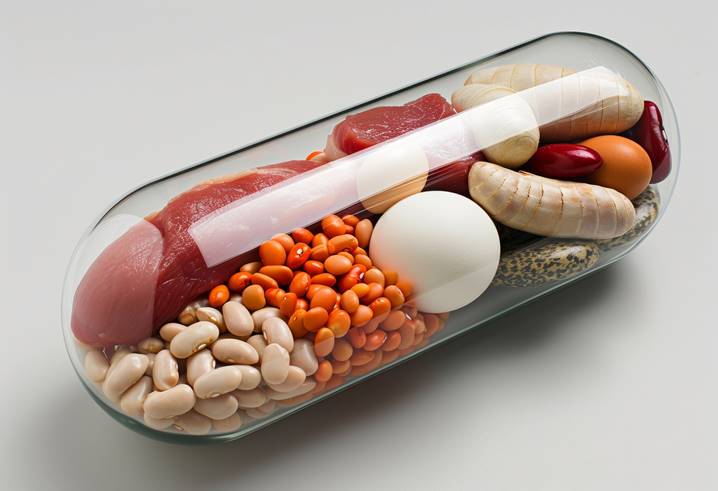
A nutrient-rich diet is one of the most effective strategies for supporting collagen production. Foods rich in vitamin C, such as oranges, berries, and bell peppers, are essential because vitamin C is required for collagen synthesis.
Protein-rich foods like eggs, fish, poultry, and bone broth provide the amino acids needed to build collagen, while minerals like zinc and copper further support the process. Antioxidant-rich foods such as green tea and leafy greens help protect existing collagen from oxidative damage.
Collagen supplements have also become increasingly popular, especially hydrolyzed collagen peptides, which are broken down into smaller molecules for better absorption. Many studies suggest these supplements can improve skin hydration, elasticity, and wrinkle appearance when taken consistently. Combining collagen with vitamin C may further enhance results.
Topical skincare can also help stimulate collagen production. Ingredients like Retinoids, peptides, and vitamin C are known to encourage new collagen formation, while daily sunscreen remains the most important step for preventing collagen breakdown caused by UV damage.
Final Thoughts: Invest in Your Skin’s Future
Collagen is one of the most powerful allies for maintaining youthful, healthy skin. It supports firmness, elasticity, hydration, wrinkle reduction, and skin repair all of which contribute to a brighter and more resilient complexion.
While aging is inevitable, taking steps to protect and support collagen through smart nutrition, skincare, supplementation, and healthy lifestyle habits can make a noticeable difference in how your skin looks and feels over time. Investing in collagen today is truly an investment in stronger, healthier skin for the future.
- Written By: Dr Gaurav (Formulation Scientist)
- Medically Reviewed By: Dr Sachin (MD Ayurveda)