

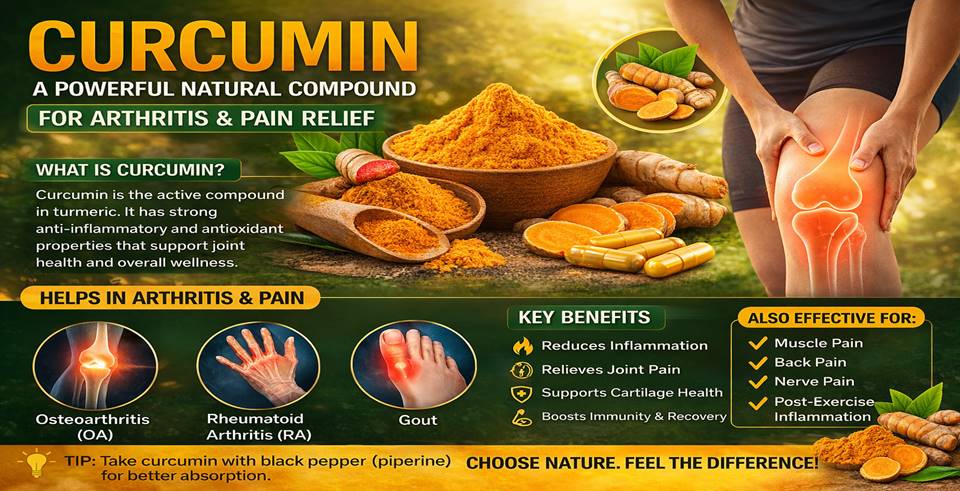
What Is Curcumin?
Curcumin, the primary bioactive compound found in turmeric, has gained widespread attention in recent years for its potent anti-inflammatory and pain-relieving properties. As arthritis and chronic pain conditions continue to rise globally, interest in natural, evidence-based therapies has also increased. Among these, curcumin stands out due to its strong scientific backing and long history of use in traditional medicine systems such as Ayurveda.
Why Is Curcumin Important?
Chronic inflammation is a root cause of many modern diseases, including arthritis, cardiovascular disease, diabetes, and even neurodegenerative disorders. Curcumin plays a crucial role in modulating inflammatory pathways.
It works by inhibiting key inflammatory molecules such as:
- Nuclear factor-kappa B (NF-κB)
- Cyclooxygenase-2 (COX-2)
- Tumor necrosis factor-alpha (TNF-α)
- Interleukins (IL-1, IL-6)
By targeting these pathways, curcumin helps reduce inflammation at the molecular level rather than simply masking symptoms like many conventional painkillers.
Additionally, curcumin acts as a powerful antioxidant, neutralizing free radicals and enhancing the activity of the body’s own antioxidant enzymes. This dual action makes it particularly effective in managing chronic inflammatory conditions like arthritis.
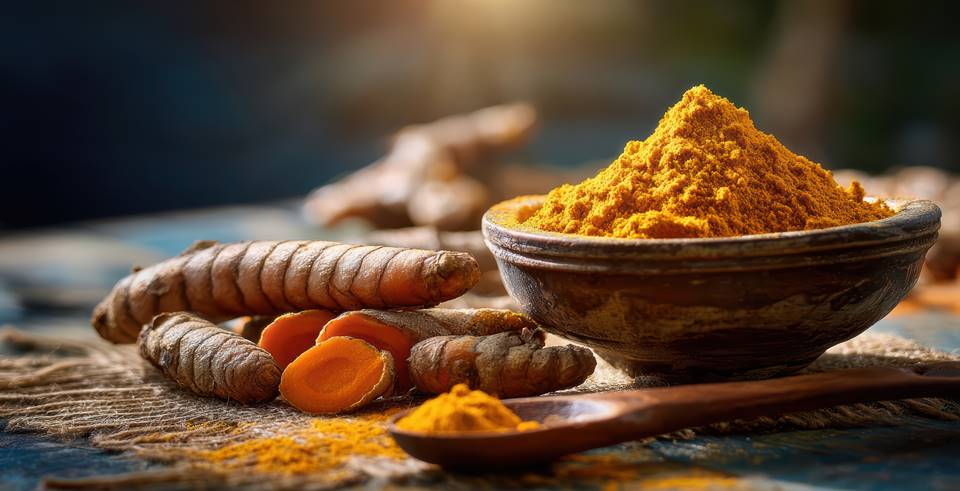
Health Benefits of Curcumin Against Arthritis
Arthritis is not a single disease but a group of conditions characterized by joint pain, stiffness, and inflammation. Curcumin has shown promising results in multiple types of arthritis.

1. Osteoarthritis (OA)
Osteoarthritis is the most common form of arthritis, caused by the gradual breakdown of cartilage in joints. It typically affects older adults and commonly involves the knees, hips, and spine.
Curcumin helps in osteoarthritis by:
- Reducing joint inflammation
- Decreasing cartilage degradation
- Improving joint mobility
Clinical studies have shown that curcumin can be as effective as nonsteroidal anti-inflammatory drugs (NSAIDs) like ibuprofen in reducing pain, but with fewer gastrointestinal side effects. Patients using curcumin supplements often report improved physical function and reduced stiffness. Furthermore, curcumin may slow disease progression by inhibiting enzymes that degrade cartilage, such as matrix metalloproteinases (MMPs).
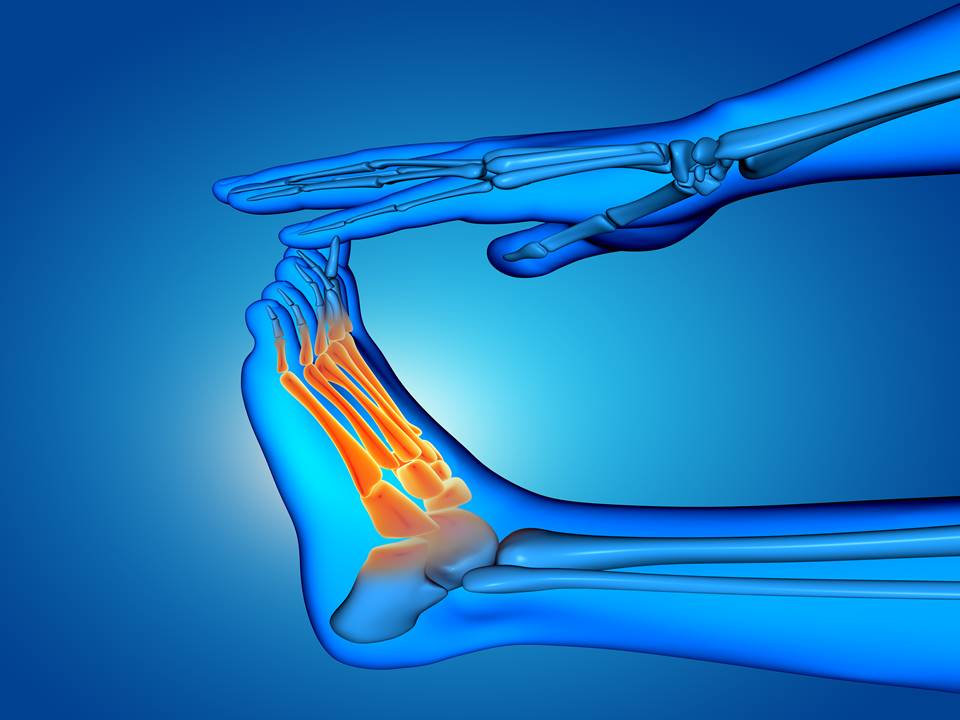
2. Rheumatoid Arthritis (RA)
Rheumatoid arthritis is an autoimmune disease in which the immune system mistakenly attacks the joints, leading to severe inflammation, pain, and joint deformity.
Curcumin offers significant benefits in RA due to its immunomodulatory effects:
- Suppresses autoimmune inflammatory responses
- Reduces joint swelling and tenderness
- Protects joint tissues from damage
Research suggests that curcumin can reduce disease activity scores in RA patients. It works by downregulating pro-inflammatory cytokines like TNF-α and IL-6, which play a central role in RA progression. In some studies, curcumin supplementation showed better tolerance and comparable effectiveness to standard anti-inflammatory drugs, making it a promising adjunct therapy.
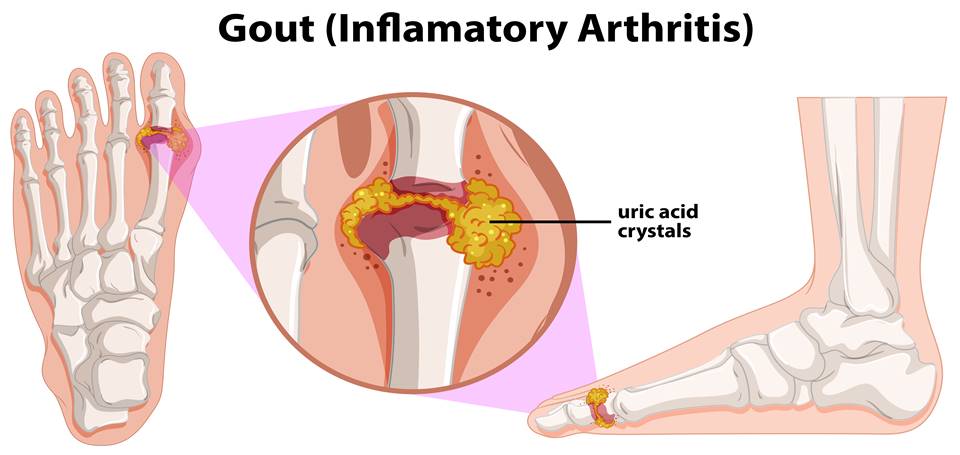
3. Gout
Gout is a type of inflammatory arthritis caused by the accumulation of uric acid crystals in joints, leading to sudden and severe pain attacks.
Curcumin helps in managing gout by:
- Reducing inflammation triggered by uric acid crystals
- Inhibiting oxidative stress in joint tissues
- Potentially lowering uric acid levels (indirect effect)
While curcumin is not a primary treatment for gout, it can support conventional therapies by reducing pain intensity and frequency of flare-ups. Its antioxidant effects also help protect tissues from damage caused by repeated inflammatory attacks.
Health Benefits of Curcumin Against Pain
Pain, whether acute or chronic, often involves inflammation and oxidative stress. Curcumin’s ability to target both makes it an effective natural pain reliever.
1. Anti-Inflammatory Pain Relief
Curcumin reduces inflammation at its source, making it beneficial for conditions like:
- Joint pain
- Muscle soreness
- Back pain
- Post-exercise inflammation
Unlike traditional painkillers, curcumin does not simply block pain signals but addresses the underlying cause.
2. Neuropathic Pain Management
Emerging research suggests that curcumin may help in neuropathic pain (nerve-related pain) by modulating neurotransmitters and reducing nerve inflammation.
This makes it potentially useful in conditions such as:
- Diabetic neuropathy
- Sciatica
- Chronic nerve pain
3. Post-Surgical and Injury Pain
Curcumin may also aid recovery after surgery or injury by:
- Reducing swelling
- Accelerating tissue healing
- Minimizing oxidative damage
Athletes and physically active individuals often use curcumin supplements to support faster recovery and reduce delayed onset muscle soreness (DOMS).
4. Chronic Pain Conditions
Chronic pain conditions like fibromyalgia and lower back pain are often linked to systemic inflammation. Curcumin’s systemic anti-inflammatory action can help reduce overall pain burden and improve quality of life.
Safety and Usage Considerations
Curcumin is generally considered safe when taken in recommended doses. However, some key points to consider include:
- Dosage: Typically ranges from 500 mg to 2000 mg per day (standardized extract)
- Absorption: Best taken with black pepper extract (piperine) or in enhanced formulations
- Side Effects: Mild gastrointestinal discomfort in some individuals
- Precautions: People on blood thinners, pregnant women, or those with gallbladder issues should consult a healthcare professional before use
Bottom Line
Curcumin is a powerful natural compound with strong anti-inflammatory and antioxidant properties, making it highly effective for managing arthritis and pain. Whether it is osteoarthritis, rheumatoid arthritis, or gout, curcumin targets the root causes of inflammation and provides long-term relief rather than temporary symptom suppression. Its benefits extend beyond joint health, offering relief from muscle pain, nerve pain, and chronic inflammatory conditions.