


Digestive health plays an important role in overall well-being, influencing nutrient absorption, immune function, metabolism, and even mental health. According to the World Gastroenterology Organisation, digestive disorders affect millions of people worldwide and contribute significantly to reduced quality of life.
Conditions such as irritable bowel syndrome (IBS), gastroesophageal reflux disease (GERD), inflammatory bowel disease (IBD), constipation, and functional dyspepsia are among the most common gastrointestinal disorders. While medical treatment remains the cornerstone of management, growing scientific evidence suggests that certain natural health supplements may support digestive function and help manage symptoms when used appropriately alongside professional medical care.
Common Digestive Diseases
Digestive diseases encompass a broad range of conditions affecting the gastrointestinal tract.
1. Irritable bowel syndrome (IBS)
IBS is one of the most prevalent functional gastrointestinal disorders and is characterized by abdominal pain, bloating, constipation, diarrhea, or a combination of both. Research published in The Lancet Gastroenterology & Hepatology estimates that approximately 4-10% of the global population experiences IBS symptoms.
2. Gastroesophageal reflux disease (GERD)
Gastroesophageal reflux disease (GERD) occurs when stomach acid repeatedly flows back into the esophagus, causing heartburn, regurgitation, and discomfort. Chronic reflux can lead to complications such as esophagitis and Barrett’s esophagus if left untreated.
3.Inflammatory bowel disease
It includes Crohn’s disease and ulcerative colitis, involves chronic inflammation of the digestive tract. These autoimmune conditions can result in abdominal pain, diarrhea, weight loss, fatigue, and nutritional deficiencies.
4. Constipation
It remains one of the most common digestive complaints globally, often resulting from inadequate fiber intake, dehydration, sedentary lifestyles, or underlying medical conditions. Functional dyspepsia, another frequent disorder, causes upper abdominal discomfort, fullness, and nausea without an identifiable structural cause.

Role of Natural Health Supplements in Digestive Wellness
Natural health supplements have gained popularity as complementary approaches to digestive health management. Although supplements cannot cure digestive diseases, several have demonstrated potential benefits in clinical research. The effectiveness of these products varies depending on the condition, individual response, dosage, and product quality.
Probiotics
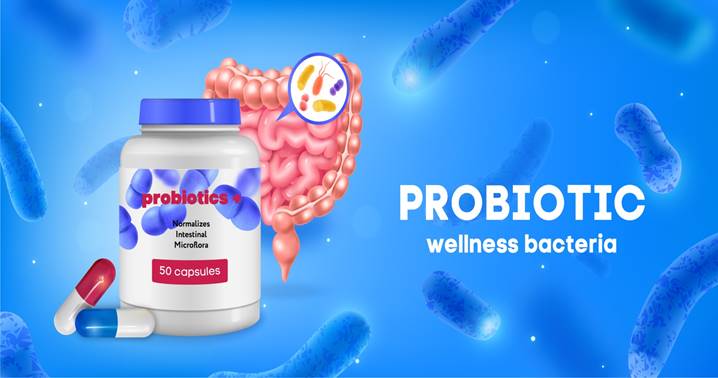
Probiotics are live microorganisms that provide health benefits when consumed in adequate amounts. They are among the most extensively studied supplements for digestive health. The human gut contains trillions of microorganisms that influence digestion, immunity, and inflammation.
A 2023 systematic review published in Nutrients reported that specific probiotic strains may reduce IBS symptoms, including bloating, abdominal pain, and irregular bowel habits. Species such as Lactobacillus and Bifidobacterium have shown particular promise in improving gut microbial balance and reducing symptom severity.
Clinical evidence also suggests that probiotics may help reduce antibiotic-associated diarrhea and support remission maintenance in certain patients with ulcerative colitis. However, benefits are strain-specific, and not all probiotic products produce the same effects.
Soluble Fiber Supplements
Dietary fiber is essential for digestive function, yet many individuals fail to meet recommended daily intake levels. Soluble fiber supplements, particularly psyllium husk, have demonstrated effectiveness in managing constipation and improving IBS symptoms.
A review published in the American Journal of Gastroenterology found that soluble fiber supplementation significantly improved stool frequency and consistency while reducing overall IBS symptom burden. Psyllium works by absorbing water in the intestines, promoting softer stools and supporting healthy bowel movements.
In addition to digestive benefits, adequate fiber intake may contribute to improved cholesterol levels and blood sugar control, making it a valuable component of overall health management.
Digestive Enzymes and Nutrient Absorption
Digestive enzymes help break down carbohydrates, proteins, and fats into absorbable nutrients. Individuals with pancreatic insufficiency, lactose intolerance, or certain digestive disorders may benefit from enzyme supplementation.
Research suggests that digestive enzyme preparations may improve symptoms such as bloating, gas, and post-meal discomfort in selected individuals. Lactase supplements, for example, can help people with lactose intolerance digest dairy products more effectively and reduce gastrointestinal symptoms.
While enzyme supplements may provide symptom relief, they should not replace medical evaluation for persistent digestive complaints.
Peppermint Oil
Peppermint oil has long been used as a traditional remedy for digestive discomfort. Modern clinical studies support its use for IBS symptom management.
A meta-analysis published in BMC Complementary Medicine and Therapies found that enteric-coated peppermint oil significantly improved abdominal pain and global IBS symptoms compared with placebo. Researchers believe peppermint oil exerts antispasmodic effects on the intestinal smooth muscles, helping reduce cramping and discomfort.
Individuals with severe GERD should use peppermint oil cautiously, as it may worsen reflux symptoms in some cases.

L-Glutamine
L-glutamine is an amino acid that serves as an important fuel source for intestinal cells. Emerging research suggests it may support intestinal barrier integrity and gastrointestinal recovery under certain conditions.
A randomized clinical trial published in Gut reported improvements in IBS symptoms among selected patients receiving glutamine supplementation compared with placebo. While findings are promising, additional large-scale studies are needed before routine supplementation can be universally recommended.
Omega-3 Fatty Acids
Omega-3 fatty acids possess anti-inflammatory properties that may benefit individuals with chronic inflammatory conditions. Several studies have explored their role in inflammatory bowel disease management.
Research published in Clinical Nutrition suggests omega-3 supplementation may help modulate inflammatory pathways, although evidence regarding long-term remission maintenance remains mixed. Patients with Crohn’s disease or ulcerative colitis should consult healthcare professionals before beginning supplementation due to potential interactions with medications and individual treatment plans.
Important Considerations Before Using Digestive Health Supplements
Although natural supplements are often perceived as inherently safe, they can cause side effects, interact with medications, or be inappropriate for certain individuals. Product quality and ingredient accuracy may also vary significantly among manufacturers.
Individuals experiencing persistent digestive symptoms, unexplained weight loss, blood in the stool, severe abdominal pain, difficulty swallowing, or prolonged changes in bowel habits should seek prompt medical evaluation. Such symptoms may indicate serious underlying conditions requiring professional diagnosis and treatment.
Healthcare providers can help determine whether supplementation is appropriate and recommend evidence-based products tailored to specific digestive conditions and health needs.
Bottom Line
Digestive diseases such as IBS, GERD, inflammatory bowel disease, constipation, and functional dyspepsia can significantly affect quality of life. Natural health supplements may provide additional support for digestive wellness and symptom management. The effectiveness natural supplements depends on the individual, the condition being treated, and the quality of the product used. Consulting a healthcare professional before starting any supplement regimen remains the safest and most effective approach to supporting long-term digestive health.
References
- Ford AC, Sperber AD, Corsetti M, Camilleri M. Irritable bowel syndrome. The Lancet. 2020;396(10263):1675-1688.
- Hill C, Guarner F, Reid G, et al. Expert consensus document: The International Scientific Association for Probiotics and Prebiotics. Nature Reviews Gastroenterology & Hepatology. 2014;11:506-514.
- Black CJ, Ford AC. Global burden of irritable bowel syndrome. The Lancet Gastroenterology & Hepatology. 2020.
- McRorie JW Jr, Chey WD. Systematic review of fiber supplementation in gastrointestinal disorders. American Journal of Gastroenterology. 2016.
- Alammar N, Wang L, Saberi B, et al. The impact of peppermint oil on irritable bowel syndrome. BMC Complementary Medicine and Therapies. 2019.
- Zhou Q, Verne ML, Fields JZ, et al. Randomized controlled trial of glutamine supplementation in IBS. Gut. 2019.
- Calder PC. Omega-3 fatty acids and inflammatory processes. Clinical Nutrition. 2017.
- World Gastroenterology Organisation (WGO). Global Guidelines on Probiotics and Prebiotics. Updated guidance.
- National Institute of Diabetes and Digestive and Kidney Diseases (NIDDK). Digestive Diseases Information Resources.
- Nutrients Journal. Systematic reviews on probiotics and gastrointestinal health, 2023.