

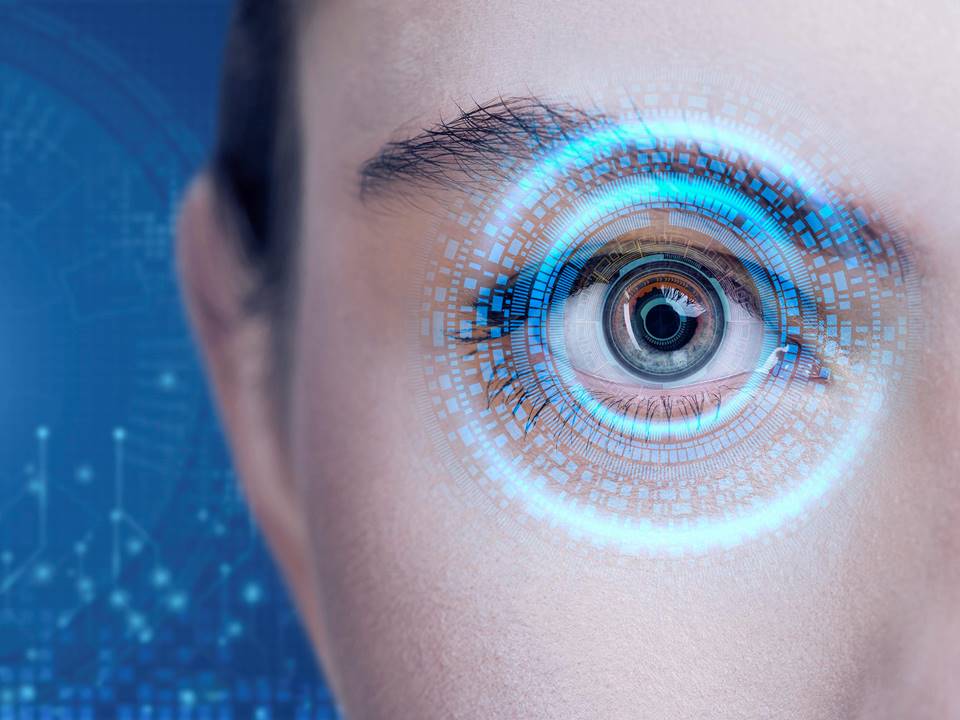
What Is Lutein?
Lutein is a carotenoid, a type of antioxidant pigment found in colorful plant foods. It’s especially abundant in leafy green vegetables, egg yolks, and certain fruits and vegetables.
Unlike some other carotenoids, lutein doesn’t convert into vitamin A. Instead, it works directly in the body by:
✔ Neutralize harmful free radicals
✔ Reduce chronic inflammation
✔ Protect sensitive cells from oxidative damage
What makes lutein unique is that it selectively concentrates in two important places:
- The macula of the eye, which supports central vision
- Key areas of the brain, including regions involved in memory, learning, and emotional regulation
Since your body cannot make lutein on its own, it must come from your diet.
How Lutein Supports Eye Health
Lutein is best known for its role in protecting vision especially as we age.
Inside the retina, lutein forms part of the macular pigment, a protective layer that helps filter harmful blue light and shields delicate eye tissues from damage.
Research suggests lutein may help:
- Support healthy visual acuity
- Improve contrast sensitivity
- Protect against age-related macular degeneration (AMD)
- Reduce oxidative stress in retinal cells
This is especially important today, as prolonged screen exposure increases blue light exposure and digital eye strain.

The Growing Evidence for Brain Health Benefits
Lutein’s role in the brain is a newer but rapidly growing area of research.
The brain is particularly vulnerable to oxidative stress because it uses large amounts of oxygen and contains high levels of fatty tissue. Over time, this can contribute to cognitive decline.
Studies suggest higher lutein levels may be associated with:
- Better memory performance
- Faster processing speed
- Improved attention and focus
- Greater neural efficiency
Researchers have even found that people with higher lutein concentrations in the body often perform better on cognitive tests, particularly in older adults.
Can Lutein Influence Mood and Emotional Health?
Surprisingly, lutein may also play a role in emotional well-being.
Recent studies suggest people with higher dietary intake of lutein and zeaxanthin may have a lower risk of depressive symptoms. Researchers believe this may be linked to lutein’s ability to:
- Reduce inflammation linked to mood disorders
- Lower oxidative stress in brain tissue
- Support neurotransmitter function
- Help regulate cortisol, the body’s main stress hormone
One clinical trial found that lutein supplementation was associated with lower cortisol levels and improved mood markers-highlighting a possible role in stress resilience.
Why One Nutrient Can Help Both Eyes and Brain
The connection comes down to shared biological mechanisms.
1. Powerful Antioxidant Protection
Both retinal cells and brain cells are highly vulnerable to oxidative damage. Lutein helps neutralize free radicals before they can harm these sensitive tissues.
2. Reduced Inflammation
Chronic inflammation is linked to age-related vision loss, cognitive decline, and depression. Lutein helps calm inflammatory pathways throughout the body.
3. Better Neural Communication
Healthy neurons rely on efficient signaling. Lutein may support mitochondrial function and help brain cells communicate more effectively.
4. Blue Light Defense
By filtering blue light in the eye, lutein may indirectly reduce visual stress and support healthier visual processing in the brain.
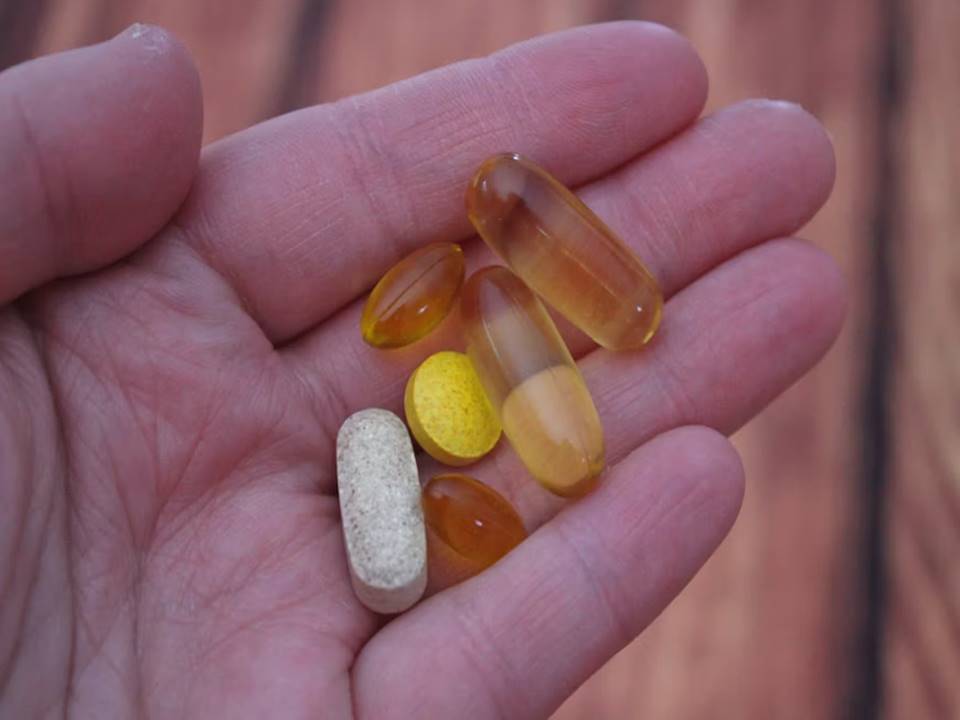
Should You Consider a Supplement?
While food should always come first, supplements may help if you:
- Eat few vegetables
- Spend long hours on digital devices
- Are concerned about age-related vision changes
- Want additional cognitive support
Most clinical studies use doses between 10-20 mg daily, which appear safe and well tolerated for most adults.
However, it’s always wise to speak with a healthcare professional before starting a new supplement.
Why Lutein Matters at Every Age
Lutein isn’t just for older adults. Across the lifespan, it may support:
Children and teens
- Visual development
- Learning and concentration
- Protection from screen-related eye strain
Adults
- Productivity and mental clarity
- Stress resilience
- Long-term eye protection
Older adults
- Healthy aging of both the eyes and brain
- Preservation of memory and visual function
The Bottom Line
Lutein is no longer just an “eye nutrient.” Growing research suggests it may play a dual role protecting both your vision and your brain through shared antioxidant and anti-inflammatory pathways. By supporting retinal health, cognitive function, and emotional balance, lutein offers a compelling example of how one nutrient can nourish multiple systems at once.