

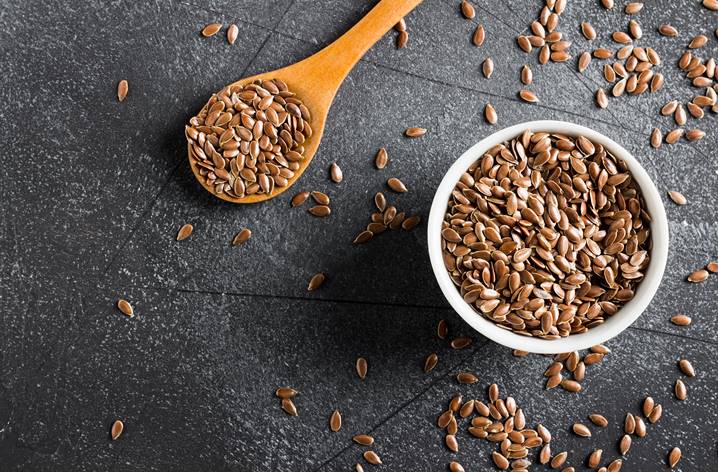
What Are Flax Seeds?
Flaxseed are tiny brown or golden seeds known for their impressive nutritional value. Often called a superfood, flax seeds are rich in omega-3 fatty acids, dietary fiber, protein, antioxidants, vitamins, and minerals. These nutrients help support heart health, digestion, metabolism, hormonal balance, and overall wellness in both men and women.
One of the most important compounds found in flax seeds is alpha-linolenic acid (ALA), a plant-based omega-3 fatty acid with anti-inflammatory properties. Flax seeds are also rich in lignans, natural plant compounds that act as antioxidants and may support hormonal balance.
Flax Seeds for Men
1. Benefits for Prostate Health
Flax seeds may help support prostate health in men, especially as they age. The prostate gland is vulnerable to inflammation and enlargement over time, and the anti-inflammatory nutrients in flax seeds may provide supportive benefits.
The lignans and omega-3 fatty acids found in flax seeds help reduce oxidative stress and inflammation in the body. Research suggests these compounds may support healthy prostate function and contribute to overall cellular protection.
Flax seeds are also high in fiber, which supports digestive health and healthy weight management. Maintaining a healthy body weight is important because obesity and metabolic problems are linked with prostate-related health concerns.
Although flax seeds are not a treatment for prostate disease, including them in a balanced diet may help support long-term wellness and healthy aging in men.

2. Muscle Recovery and Fitness Support
Flax seeds are a good addition to fitness-focused diets because they provide plant-based protein, healthy fats, and minerals that support energy production and muscle recovery.
Exercise can increase inflammation and oxidative stress in the body. The omega-3 fatty acids in flax seeds may help reduce post-workout soreness and support recovery after physical activity. The protein content also helps maintain muscle tissue and supports strength-building goals.
Flax seeds contain magnesium, an important mineral involved in muscle function, nerve activity, and energy metabolism. Adequate magnesium intake may help reduce muscle cramps and fatigue.
Their high fiber content also promotes fullness, which can support healthy weight management. Men looking to improve fitness or maintain lean body composition may benefit from adding flax seeds to smoothies, protein shakes, or breakfast meals.
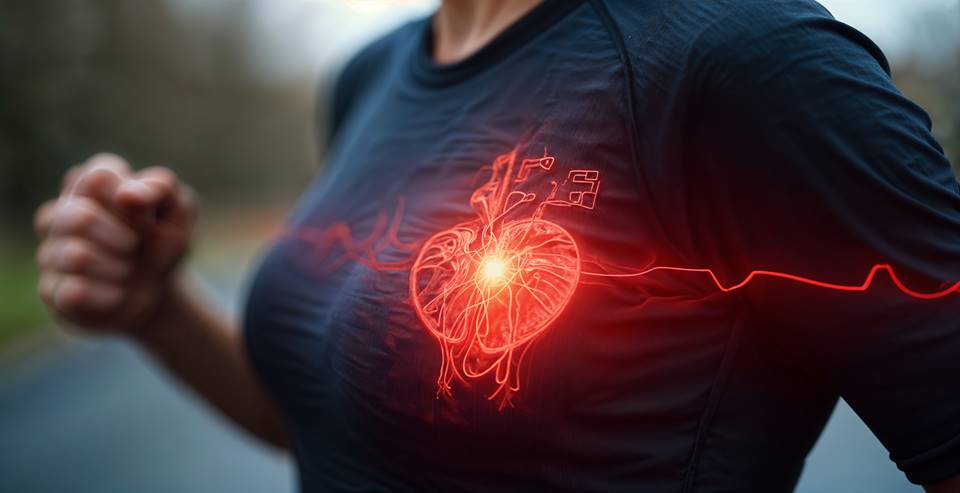
3. Heart and Metabolic Health Benefits
Heart disease is one of the most common health concerns among men. Flax seeds may help support cardiovascular health because they contain omega-3 fatty acids, soluble fiber, and antioxidants.
The soluble fiber in flax seeds may help maintain healthy cholesterol levels by reducing cholesterol absorption in the digestive tract. Omega-3 fatty acids support healthy blood vessel function and may help reduce inflammation associated with heart disease.
Flax seeds may also support healthy blood sugar control. Fiber slows glucose absorption, helping prevent sudden spikes in blood sugar levels after meals. This can improve satiety and support metabolic balance.
For men with stressful lifestyles, sedentary habits, or poor eating patterns, flax seeds can be a simple addition to a heart-friendly and balanced diet.
Flax Seeds for Women
1. Hormonal Wellness Support
Flax seeds are widely recognized for their potential role in supporting women’s hormonal health. They contain lignans, which are natural phytoestrogens that may help support estrogen balance in the body.
Many women include flax seeds in their diet to support menstrual health and reduce hormonal fluctuations. The fiber content also helps support digestion and may assist the body in eliminating excess hormones naturally.
Omega-3 fatty acids and magnesium found in flax seeds may support mood balance, energy levels, and overall well-being. Because hormones influence many aspects of women’s health, nutrient-rich foods like flax seeds can help support overall wellness.
Although flax seeds may support hormonal balance naturally, results can vary depending on age, diet, and individual health conditions.
2. Bone Health Benefits
Bone health becomes increasingly important for women as they age, especially after menopause. Flax seeds contain minerals such as magnesium and phosphorus that contribute to healthy bones and muscles.
Magnesium plays a major role in bone mineralization and calcium regulation. Omega-3 fatty acids may also support joint comfort and reduce inflammation that affects mobility and overall bone health.
Women are at greater risk of osteoporosis later in life, making nutrient-rich foods essential for long-term wellness. Including flax seeds in daily meals may help support healthy bones when combined with adequate calcium, vitamin D, and regular exercise.
Flax seeds can easily be added to yogurt, soups, smoothies, or cereals for better nutritional intake.
3. Pregnancy and Menopause Considerations
Flax seeds are often discussed in relation to pregnancy and menopause because of their nutritional benefits. During pregnancy, fiber-rich foods may help reduce constipation, a common digestive problem among pregnant women.
The healthy fats in flax seeds also support overall nutritional balance. However, pregnant women should consume flax seeds in moderation and consult healthcare professionals before making major dietary changes.
During menopause, women commonly experience hormonal changes, hot flashes, mood shifts, and metabolic changes. Some studies suggest that the phytoestrogen content of flax seeds may help support menopausal wellness.
Flax seeds may also help maintain heart and bone health during menopause, making them a valuable part of a balanced diet for aging women.
Bottom Line
Flaxseed are nutrient-rich seeds that provide health benefits for both men and women. Packed with omega-3 fatty acids, fiber, antioxidants, protein, and minerals, flax seeds may support heart health, digestion, hormonal balance, prostate wellness, bone strength, and fitness recovery.
For men, flax seeds may support prostate function, muscle recovery, and metabolic health. For women, they may contribute to hormonal wellness, stronger bones, and nutritional support during pregnancy and menopause.