
Chronic Obstructive Pulmonary Disease (COPD) is a progressive, irreversible respiratory condition characterized by persistent airflow limitation, chronic inflammation, and structural lung damage. According to the World Health Organization (WHO), COPD is currently the third leading cause of death globally, responsible for over 3.2 million deaths annually. Low- and middle-income countries account for nearly 90% of COPD-related mortality, with India bearing a disproportionate burden due to tobacco exposure, biomass fuel use, air pollution, and occupational hazards.
The Global Burden of Disease (GBD) Study estimates that more than 390 million people worldwide live with COPD, and prevalence continues to rise due to aging populations and sustained environmental exposures. Medical research revealed that regular fruit intake improved lung function, reduced inflammation, and lower COPD risk, particularly due to antioxidant, anti-inflammatory, and immunomodulatory effects.
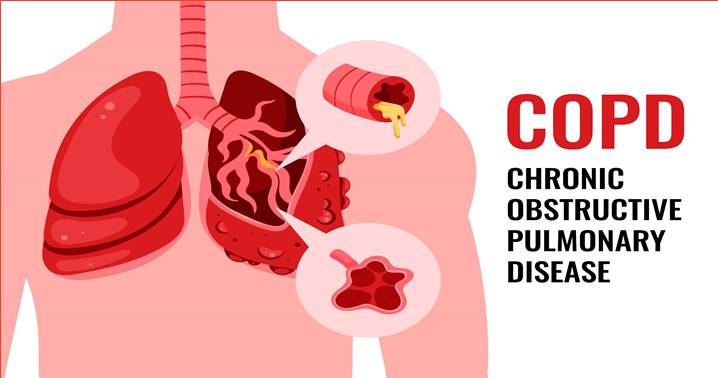
How Does COPD Occur?
The American Journal of Respiratory and Critical Care Medicine, with work by MacNee, highlights that COPD develops due to long-term exposure to harmful particles and gases such as cigarette smoke, biomass fuel emissions, occupational dust, and air pollution. These exposures trigger persistent inflammation in the airways and lungs, leading to excessive production of reactive oxygen species that overwhelm natural antioxidant defenses. The resulting oxidative stress damages lung cells and activates inflammatory pathways, causing airway narrowing, mucus overproduction, and destruction of alveolar walls. Over time, this leads to loss of lung elasticity, impaired gas exchange, and irreversible airflow limitation. Recurrent respiratory infections further accelerate lung damage, ultimately resulting in progressive breathlessness, chronic cough, and reduced lung function characteristic of COPD.
Evidence-Based Fruits That Support Lung Health in COPD
1. Apples: The Most Consistent Fruit Linked to Better Lung Function
Apples are among the most studied fruits in respiratory health. They are rich in flavonoids, quercetin, and vitamin C compounds known to modulate airway inflammation.
Carey and coauthors reported that higher apple consumption is associated with better forced expiratory volume (FEV₁) and reduced COPD prevalence. Similarly, the European Respiratory Journal, with research by Shaheen and coauthors, demonstrated slower lung function decline among adults with higher apple intake. These protective effects are attributed to apples’ antioxidant capacity and their ability to suppress inflammatory pathways involved in airway obstruction.
2. Citrus Fruits (Oranges, Grapefruit, Lemons): Vitamin C for Lung Defense
Citrus fruits are primary dietary sources of vitamin C, a critical antioxidant involved in immune defense and tissue repair. The American Journal of Clinical Nutrition, featuring studies by Grievink et al., shows that higher vitamin C intake is associated with improved lung function and reduced respiratory symptoms, particularly in smokers and individuals exposed to air pollution. Citrus flavonoids such as hesperidin and naringenin also exhibit anti-inflammatory effects that may reduce airway edema and mucus production, key features of COPD pathology.
3. Berries (Blueberries, Strawberries, Blackberries): Anti-Inflammatory Powerhouses
Berries are rich in anthocyanins and polyphenols, which exert potent anti-inflammatory and antioxidant effects. The Journal of Nutrition, with research by Wood and coauthors, highlights that berry polyphenols reduce systemic inflammation and oxidative biomarkers implicated in chronic lung diseases. Respiratory Research further reports that flavonoid-rich diets are associated with fewer COPD exacerbations and better respiratory outcomes. The high fiber content of berries also supports gut-lung axis modulation, an emerging mechanism in respiratory disease management.
4. Pomegranate: Polyphenols for Airway Protection
Pomegranate contains high concentrations of punicalagins and ellagic acid, which reduce oxidative damage and inflammatory signaling. Pulmonary Pharmacology & Therapeutics, with experimental work by Ahmad and coauthors, demonstrates that pomegranate extract reduces airway inflammation and inhibits neutrophil infiltration, hallmarks of COPD-related lung injury. While human trials remain limited, epidemiological and mechanistic data strongly support pomegranate’s role in lung-protective dietary patterns.
5. Kiwi: Vitamin C and Lung Function Preservation
Kiwi fruit provides exceptionally high vitamin C content along with carotenoids and polyphenols. The European Respiratory Journal, with findings by Ng and coauthors, reports that vitamin C-rich fruit intake is associated with reduced wheezing, cough, and breathlessness. Kiwi’s antioxidant profile supports epithelial repair and reduces oxidative damage to lung tissue. The presence of small edible seeds contributes additional fiber and micronutrients that support immune regulation.
6. Tomatoes: Lycopene and Reduced COPD Progression
Tomatoes are rich in lycopene, a carotenoid shown to reduce oxidative stress in lung tissue. The American Journal of Respiratory and Critical Care Medicine, through studies by Wood and coauthors, indicates that higher tomato intake is associated with a slower decline in lung function, particularly among ex-smokers. Lycopene appears to protect alveolar structures from oxidative injury and inflammation.
7. Bananas: Supporting Respiratory Function and Mucus Regulation
Bananas provide potassium, vitamin B6, and dietary fiber, which collectively support muscle function and immune regulation. Thorax, with epidemiological data from Butland and coauthors, reports that higher banana intake in childhood is associated with lower incidence of wheezing and improved lung health later in life. While not curative, bananas contribute to overall respiratory resilience and nutritional adequacy in COPD patients.
Epidemiological Evidence Linking Fruit Intake and COPD Risk
Large population studies consistently demonstrate an inverse relationship between fruit intake and COPD risk. The European Respiratory Journal, analyzing data from the Nurses’ Health Study and Health Professionals Follow-Up Study, shows that individuals with the highest fruit and vegetable intake had a 35-40% lower risk of developing COPD, particularly among former smokers. The British Medical Journal, with cohort analysis by Kaluza and coauthors, further reports that diets rich in fruits and whole foods are associated with reduced COPD incidence and mortality, reinforcing the role of nutrition in respiratory disease prevention.
Common Myths About Fruits and COPD
A common misconception is that diet plays a minimal role in COPD because the disease is irreversible. While structural damage cannot be undone, evidence clearly shows that dietary patterns influence symptom burden, exacerbation risk, and lung function decline. Another myth is that only supplements can provide antioxidants. Research consistently favors whole fruits, where nutrients act synergistically, over isolated antioxidant supplementation.
Key Takeaway
COPD is a complex, inflammation-driven respiratory disease with a growing global burden. Medical evidence supports the role of fruits such as apples, citrus fruits, berries, pomegranate, kiwi, tomatoes, and bananas as a natural source to manage COPD because of their antioxidant potential.
- Written By: Shabina Khan (Clinical Pharmacist)
- Medically Reviewed By: Dr Avinash Singh (PhD, Pharm. Medicine)