


Joint pain is among the leading causes of disability worldwide, particularly in older adults. Osteoarthritis (OA), the most common form of arthritis, affects millions of people by gradually breaking down the cartilage that cushions joints. While dietary supplements such as glucosamine, along with regular exercise, weight management, and physical therapy remain the cornerstones of joint care widespread popularity for supporting joint health.
Glucosamine supplements are commonly available as glucosamine sulfate, glucosamine hydrochloride, and N-acetyl glucosamine. Among these, glucosamine sulfate has demonstrated the strongest clinical evidence for knee osteoarthritis. Clinical trials suggest that glucosamine may provide modest benefits in relieving pain and improving joint function in selected individuals, particularly those with mild-to-moderate knee osteoarthritis (1, 2).
How Does Glucosamine Support Bone and Joint Health?
Glucosamine serves as a building block for glycosaminoglycans and proteoglycans, structural molecules that help maintain cartilage strength, elasticity, and hydration. Laboratory studies suggest glucosamine may also reduce cartilage degradation and influence inflammatory pathways involved in joint damage. Although these biological mechanisms are well established, clinical improvements are generally modest and vary between individuals.
Key Benefits of Glucosamine
1. May Support Long-Term Joint Health
Glucosamine contributes to cartilage maintenance by supporting the production of essential structural compounds within connective tissues. Several long-term studies suggest glucosamine sulfate may help slow down the damages of knee osteoarthritis.
A landmark three-year randomized clinical trial demonstrated reduced joint-space narrowing among patients taking glucosamine sulfate, suggesting a potential protective effect on cartilage integrity (1). However, major clinical guidelines acknowledge that evidence remains inconsistent across different glucosamine formulations.

2. May Help Relieve Osteoarthritis Pain
Pain reduction remains the primary reason many individuals use glucosamine supplements. Clinical evidence indicates glucosamine sulfate may modestly reduce knee osteoarthritis pain after consistent use for two to three months. The European Society for Clinical and Economic Aspects of Osteoporosis, Osteoarthritis and Musculoskeletal Diseases (ESCEO) recommends pharmaceutical-grade glucosamine sulfate as a first-line symptomatic slow-acting drug for osteoarthritis in appropriate patients.
Conversely, large independent trials reported that many individuals with moderate-to-severe pain experienced greater improvement (3). These findings suggest glucosamine may work better in selected patient populations rather than universally.
3. May Improve Joint Mobility and Physical Function
Joint stiffness often limits walking, climbing stairs, and performing daily activities.
Several randomized controlled trials have found that glucosamine supplementation may improve physical function and reduce morning stiffness, particularly in knee osteoarthritis. Improvements generally become noticeable after 8-12 weeks of regular supplementation and are typically modest rather than dramatic.
Because cartilage repair occurs slowly, glucosamine should not be considered a fast-acting pain reliever like non-steroidal anti-inflammatory drugs (NSAIDs).
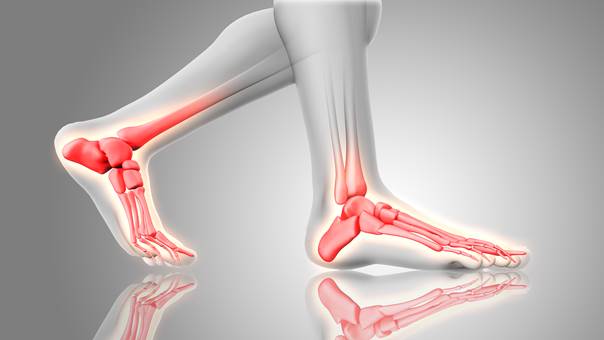
4. May Help Reduce Joint Inflammation
Inflammation contributes to cartilage destruction and worsening osteoarthritis symptoms.
Experimental studies suggest glucosamine may suppress inflammatory mediators such as nuclear factor-kappa B (NF-κB), interleukin-1β, and matrix metalloproteinases, which are involved in cartilage degradation. While these anti-inflammatory effects are well documented in laboratory studies, clinical trials indicate only modest reductions in inflammatory symptoms.
For this reason, glucosamine is best viewed as a supportive supplement rather than a replacement for prescribed anti-inflammatory treatments.
Other Potential Health Benefits of Glucosamine
Emerging research suggests glucosamine may offer additional health benefits beyond joint support, although stronger clinical evidence is still needed.
Some observational studies have linked regular glucosamine use with lower levels of systemic inflammation and a reduced risk of cardiovascular disease. Researchers believe glucosamine may influence inflammatory pathways that contribute to chronic diseases, but these findings do not establish cause and effect.
Preliminary research has also explored potential roles in supporting connective tissue health, tendon function, and recovery from joint injuries. However, these applications require further well-designed clinical trials before firm recommendations can be made.

Who May Benefit Most from Glucosamine?
Glucosamine supplementation may be considered for:
- Adults with mild-to-moderate knee osteoarthritis
- Older adults experiencing age-related joint stiffness
- Individuals seeking additional support alongside exercise and weight management
- People with chronic joint discomfort after consultation with their healthcare provider
Glucosamine is unlikely to reverse advanced cartilage damage and should not replace evidence-based medical treatments.
Recommended Dosage and Safety
Most clinical studies have used 1,500 mg of glucosamine sulfate daily, either as a single dose or divided into three doses.
Glucosamine is generally well tolerated. Mild side effects may include:
- Nausea
- Heartburn
- Abdominal discomfort
- Diarrhea or constipation
People with shellfish allergies should verify the product source, as some glucosamine products are derived from shellfish shells. Individuals taking blood-thinning medications such as warfarin or those with diabetes should consult their healthcare provider before beginning supplementation due to potential interactions.
Conclusion
Glucosamine remains are effective dietary supplements for joint health. For optimal joint health, glucosamine should be combined with regular physical activity, maintaining a healthy body weight, balanced nutrition, and appropriate medical care.
Written By: Anzer Hussain (M. Pharm, Pharmaceutical Medicine)