
HbA1c is widely used as a gold-standard marker for diagnosing and monitoring diabetes, reflecting average blood glucose levels over the previous two to three months. However, clinicians and patients are sometimes confronted with a puzzling scenario: HbA1c levels are elevated while fasting and post-meal blood glucose readings remain within the normal range. This apparent mismatch can create confusion, anxiety, and even misdiagnosis if not interpreted correctly.
Scientific literature increasingly recognizes that HbA1c, although highly valuable, is not infallible. Multiple physiological, hematological, and metabolic factors can influence HbA1c independently of actual glucose levels.
Understanding HbA1c and Blood Glucose: Why They Are Not the Same
HbA1c, or glycated hemoglobin, is formed when glucose irreversibly binds to hemoglobin within red blood cells (RBCs). Because RBCs typically survive for about 120 days, HbA1c reflects long-term glycemic exposure rather than moment-to-moment glucose fluctuations. This biochemical principle was extensively described in early foundational work published in The Lancet and later validated across large population studies.
In contrast, blood glucose measurements whether fasting, random, or post-prandial represent single time-point values. They are influenced by recent meals, stress, physical activity, illness, and medications. As highlighted in Diabetes Care (American Diabetes Association), normal glucose readings do not always exclude abnormal glycemic patterns over time.
Therefore, HbA1c and blood glucose measure related but fundamentally different aspects of glucose metabolism, which partly explains why discordance can occur.
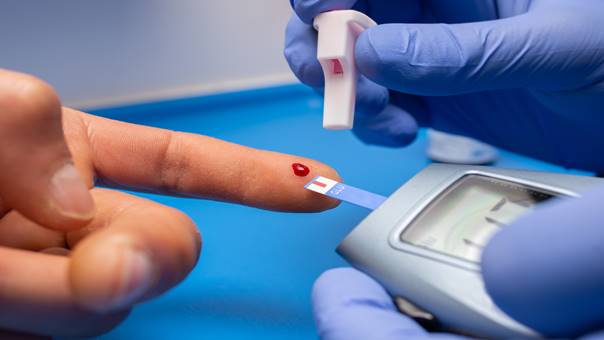
The HbA1c-Glucose Discordance: A Recognized Clinical Phenomenon
The phenomenon of high HbA1c with normal glucose levels is well-documented. A large analysis published in The New England Journal of Medicine and corroborated by data from Oxford Academic journals demonstrated that up to 15-20% of individuals show significant discordance between HbA1c and mean glucose values.
Researchers increasingly describe this as a limitation of HbA1c as a universal marker. As noted in a systematic review in Frontiers in Endocrinology, HbA1c is influenced not only by glucose exposure but also by red blood cell turnover, hemoglobin structure, and individual glycation rates.
Causes of High HbA1c Despite Normal Blood Sugar
1. Altered Red Blood Cell Lifespan
One of the most important and often overlooked factors is red blood cell lifespan. HbA1c increases when RBCs circulate longer than normal, allowing more time for glucose binding. Conditions such as iron deficiency anemia, vitamin B12 deficiency, and folate deficiency are strongly associated with falsely elevated HbA1c.
A meta-analysis published in Diabetes & Metabolic Syndrome (Elsevier) and studies indexed in PubMed confirm that iron deficiency anemia can raise HbA1c by 0.5-1.5 percentage points without any actual increase in glucose levels. This effect reverses after correction of anemia, highlighting the non-glycemic influence on HbA1c.
2. Iron Deficiency Anemia
Iron deficiency alters hemoglobin structure and slows erythropoiesis, prolonging RBC survival. Research in The Journal of Clinical Pathology and Springer’s European Journal of Endocrinology consistently shows higher HbA1c values in iron-deficient individuals with otherwise normal glucose metabolism.
This is particularly relevant in populations with high anemia prevalence, including women of reproductive age and older adults. Clinicians are advised, as per Oxford Handbook of Endocrinology, to evaluate iron status before diagnosing diabetes based solely on HbA1c.
3. Vitamin B12 and Folate Deficiency
Vitamin B12 and folate deficiencies cause macrocytic anemia and reduced RBC turnover. Studies published in Journal of Diabetes Investigation demonstrate that HbA1c may be spuriously elevated in these conditions. Importantly, glucose tolerance tests in such individuals often remain normal, confirming that HbA1c elevation is not glycemia-driven.
4. Hemoglobin Variants and Hemoglobinopathies
Structural hemoglobin variants such as HbS, HbC, HbE, and thalassemia traits can interfere with HbA1c measurement depending on the assay method used. Research published in Clinical Chemistry and The Lancet Diabetes & Endocrinology indicates that certain assays may overestimate or underestimate HbA1c in the presence of hemoglobin variants.
This issue is particularly relevant in South Asian, African, and Mediterranean populations, where hemoglobinopathies are more prevalent. MDPI reviews stress the importance of assay selection and alternative markers in these cases.
5. Individual Glycation Phenotype
Emerging research suggests that individuals differ in how readily glucose binds to hemoglobin, independent of blood glucose levels. This concept, known as the glycation gap, has been explored in Diabetologia and Frontiers in Physiology.
Some individuals are “high glycators,” producing higher HbA1c at the same glucose exposure. Genetic, oxidative stress, and inflammatory factors may contribute, though this remains an active area of research.
6. Postprandial Glucose Spikes Not Captured by Testing
Standard glucose testing may miss short-lived post-meal glucose spikes. Continuous glucose monitoring (CGM) studies published in Diabetes Care and The Lancet reveal that individuals can experience brief but frequent hyperglycemic excursions that elevate HbA1c while fasting and routine post-meal values appear normal.
This explains why HbA1c may reveal hidden dysglycemia that spot glucose tests fail to detect.
7. Chronic Kidney Disease and Liver Disorders
Chronic kidney disease (CKD) alters erythropoiesis, iron metabolism, and uremic toxin exposure, all of which influence HbA1c reliability. Reviews in Kidney International (Elsevier) and Springer Nephrology journals caution against over-reliance on HbA1c in CKD patients.
Similarly, chronic liver disease can affect glucose metabolism and RBC turnover, leading to misleading HbA1c values, as documented in Hepatology (Wiley).
Clinical Implications: Should You Worry?
A high HbA1c with normal glucose does not automatically mean diabetes. However, it should never be ignored. As emphasized by expert consensus in The Lancet and ADA Standards of Care, discordant results warrant further evaluation rather than immediate labeling.
Misinterpretation can lead to unnecessary medication, psychological stress, or missed diagnoses of underlying conditions such as anemia or hemoglobin disorders.
How Doctors Evaluate HbA1c–Glucose Mismatch
When HbA1c and glucose do not align, clinicians typically take a stepwise approach supported by guidelines published in Diabetes Care and Oxford Clinical Medicine.
This includes repeating HbA1c using a different assay, assessing iron, B12, and folate levels, screening for hemoglobin variants, and considering alternative glycemic markers such as fructosamine or glycated albumin.
HbA1c Is a Tool-Not a Verdict
Modern endocrinology increasingly recognizes that HbA1c is a population-level marker, not a perfect individual diagnostic test. A landmark review in The Lancet Diabetes & Endocrinology concluded that HbA1c should be interpreted alongside clinical findings, glucose measurements, and individual patient characteristics.
Key Takeaway
A high HbA1c with normal blood sugar levels is a well-recognized, scientifically explained phenomenon rather than a paradox. Factors such as altered red blood cell lifespan, iron or vitamin deficiencies, hemoglobin variants, individual glycation tendencies, and missed glucose spikes can all elevate HbA1c independently of true hyperglycemia.
- Written By: Dr Gaurav (Formulation Scientist)
- Reviewed By: Dr Abdul Qayyoom (MBBS, MD Scholar)