
Hypertension, commonly known as high blood pressure, is one of the leading causes of preventable illness and death worldwide. It is often referred to as the “silent killer“ because it usually develops without noticeable symptoms while gradually damaging vital organs. According to the World Health Organization (WHO), approximately 1.28 billion adults aged 30-79 years worldwide have hypertension, and nearly half are unaware they have the condition (1).
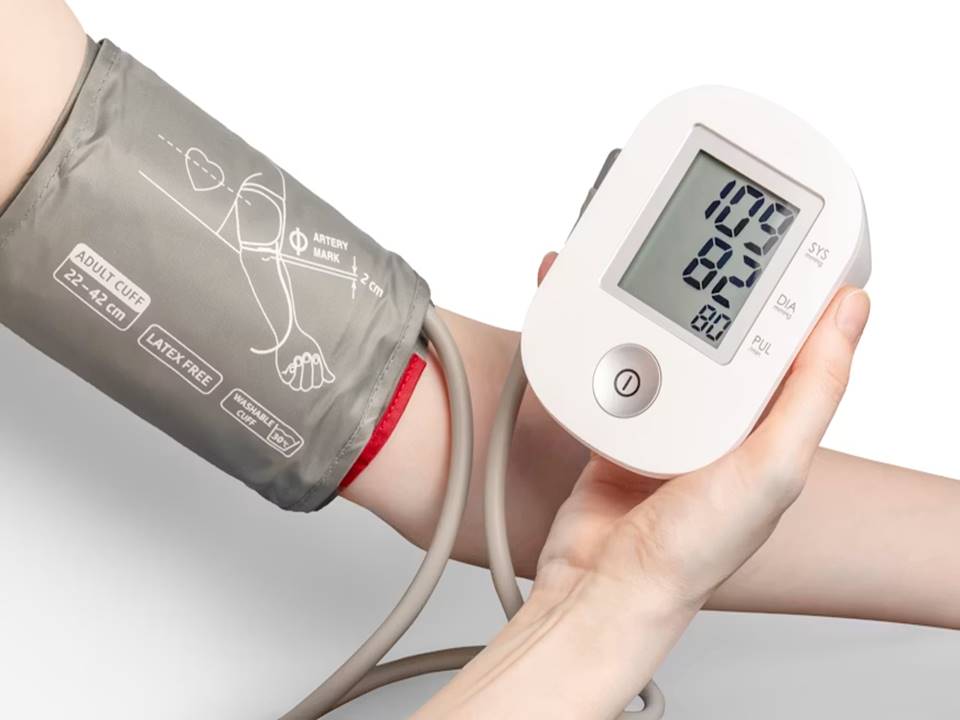
According to the American College of Cardiology (ACC) and the American Heart Association (AHA), blood pressure consistently at or above 130/80 mmHg is considered hypertension in many clinical settings (2). Lifestyle modifications remain the cornerstone of prevention and treatment. Early diagnosis and effective management can significantly reduce the risk of heart disease, stroke, kidney failure, and premature death.
Common Factors Behind of Hypertension
Hypertension develops through a combination of genetic, environmental, and lifestyle factors.
Diets high in sodium, processed foods, and saturated fats can increase blood pressure, while insufficient intake of potassium-rich fruits and vegetables may worsen the problem. Physical inactivity, obesity, excessive alcohol consumption, smoking, chronic stress, and poor-quality sleep are also strongly associated with hypertension.
Certain medical conditions, including diabetes, chronic kidney disease, obstructive sleep apnea, and thyroid disorders, may increase the likelihood of developing hypertension. Some medications, including nonsteroidal anti-inflammatory drugs (NSAIDs), corticosteroids, and certain hormonal contraceptives, may also elevate blood pressure in susceptible individuals.
Clinical evidence consistently demonstrates that maintaining a healthy weight, exercising regularly, reducing sodium intake, and limiting alcohol consumption can substantially reduce blood pressure and cardiovascular risk (1; 2).
The Hidden Health Risks of Uncontrolled Hypertension
Persistently elevated blood pressure damages blood vessels and organs throughout the body. Over time, these changes increase the likelihood of serious and potentially life-threatening complications.
1. Heart Health
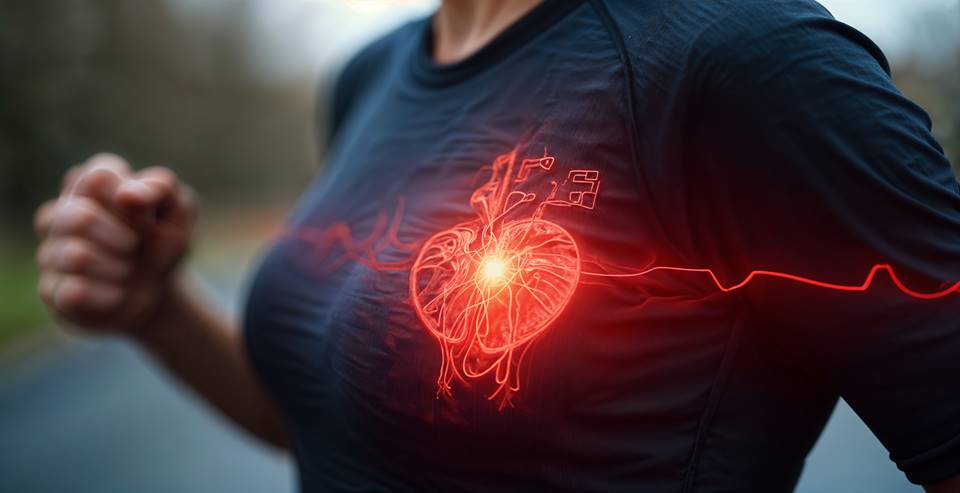
High blood pressure forces the heart to work harder to pump blood, leading to thickening of the heart muscle (left ventricular hypertrophy). This increased workload raises the risk of coronary artery disease, heart attack, heart failure, and irregular heart rhythms. Long-term hypertension remains one of the strongest predictors of cardiovascular mortality.
2. Brain Health
Hypertension significantly increases the risk of both ischemic and hemorrhagic stroke. Reduced blood flow and damage to small blood vessels in the brain may also contribute to vascular dementia and cognitive decline. Research shows that effective blood pressure control lowers the risk of stroke by approximately 35-40% (3).
3. Kidney Damage
The kidneys rely on healthy blood vessels to filter waste from the bloodstream. Chronic hypertension damages these delicate vessels, reducing kidney function and potentially leading to chronic kidney disease or kidney failure. Hypertension is one of the leading causes of end-stage kidney disease worldwide.
4. Eye Health
The tiny blood vessels in the retina are particularly vulnerable to elevated blood pressure. Hypertensive retinopathy may cause blurred vision, bleeding within the eye, retinal swelling, and in severe cases, permanent vision loss. Routine eye examinations can help detect early vascular changes.
5. Blood Vessel Damage
Constant pressure against artery walls accelerates atherosclerosis, making arteries narrower and less flexible. This increases the risk of peripheral artery disease, aneurysms, and reduced circulation to vital organs. Damaged blood vessels also increase the risk of blood clots.
6. Sexual Health
Hypertension may impair blood flow required for normal sexual function. Men with uncontrolled hypertension are more likely to experience erectile dysfunction, while women may notice reduced sexual arousal and lubrication. Blood pressure control often improves vascular health and sexual function.
7. Pregnancy Complications
Women who develop hypertension during pregnancy are at increased risk of preeclampsia, premature birth, placental complications, and low birth weight infants. Careful prenatal monitoring is essential for protecting both maternal and fetal health.

How High Blood Pressure Can Affect Your Everyday Life
Although hypertension often causes no symptoms, its long-term effects can gradually reduce overall quality of life. Some individuals experience headaches, dizziness, fatigue, or shortness of breath when blood pressure becomes severely elevated, but many remain symptom-free until complications develop.
Living with uncontrolled hypertension may limit physical endurance, increase healthcare visits, and create anxiety regarding cardiovascular health. Serious complications such as stroke or heart failure can significantly impair independence, mobility, and daily functioning. Regular blood pressure monitoring allows early intervention before irreversible damage occurs.
Natural and Evidence-Based Ways to Manage Hypertension
Lifestyle changes are highly effective in reducing blood pressure and lowering cardiovascular risk. For many individuals, these interventions complement prescribed medications, while in some cases of mild hypertension they may substantially delay the need for medication under medical supervision.
Following the DASH (Dietary Approaches to Stop Hypertension) eating plan is one of the most effective dietary strategies. This eating pattern emphasizes fruits, vegetables, whole grains, legumes, low-fat dairy products, lean proteins, nuts, and healthy fats while limiting sodium, processed foods, sugary beverages, and saturated fats.
Reducing sodium intake to less than 2,300 mg per day, and ideally closer to 1,500 mg daily for many adults, has been shown to lower blood pressure significantly. Increasing dietary potassium through foods such as bananas, spinach, beans, sweet potatoes, and avocados also supports healthy blood pressure in individuals without kidney disease.
Regular physical activity plays a crucial role. Most clinical guidelines recommend at least 150 minutes of moderate-intensity aerobic exercise each week, combined with muscle-strengthening activities on two or more days weekly. Even brisk walking can produce meaningful reductions in blood pressure.
Maintaining a healthy body weight remains one of the most effective interventions. Studies indicate that every kilogram of weight loss can contribute to measurable improvements in blood pressure control.
Stress management is equally important. Mindfulness meditation, yoga, deep breathing exercises, adequate sleep, and maintaining social connections may help reduce stress-related increases in blood pressure.
Limiting alcohol consumption, avoiding tobacco products, obtaining 7-9 hours of quality sleep each night, and adhering to prescribed medications when necessary further improve long-term cardiovascular health.
Bottom Line
Hypertension is a common but highly manageable condition that affects millions of people worldwide. Because it often develops silently, routine blood pressure screening is essential even in individuals who feel healthy. Left untreated, hypertension can damage the heart, brain, kidneys, eyes, and blood vessels while increasing the risk of stroke, heart attack, and kidney failure.
References
- World Health Organization (WHO). Hypertension Fact Sheet. Updated 2023.
- Whelton PK, Carey RM, Aronow WS, et al. 2017 ACC/AHA Guideline for the Prevention, Detection, Evaluation, and Management of High Blood Pressure in Adults. Hypertension. 2018;71:e13-e115.
- SPRINT Research Group. A Randomized Trial of Intensive versus Standard Blood-Pressure Control. New England Journal of Medicine. 2015;373:2103-2116.
- American Heart Association. Understanding Blood Pressure Readings.