
Key Points To Remember: Infectious diseases account for substantial mortality worldwide because of the significant long-term disability across populations, and an unpredictable spread can trigger serious global health, social, and economic consequences.
What Are Infectious Diseases?
Infectious diseases are illnesses caused by pathogenic microorganisms that invade the human body, multiply, and disrupt normal physiological functions. These pathogens include bacteria, viruses, fungi, parasites, and, in rare cases, prions. Infectious diseases can range from mild, self-limiting conditions such as the common cold to severe, life-threatening illnesses like tuberculosis, HIV/AIDS, Ebola, and sepsis. According to the World Health Organization, infectious diseases remain among the leading causes of global mortality, particularly in low- and middle-income countries, despite advances in medicine and public health infrastructure.
Unlike non-communicable diseases, infectious diseases are often transmissible, spreading directly or indirectly from one individual to another. Their burden is influenced by population density, sanitation, vaccination coverage, antimicrobial resistance, and emerging environmental factors such as climate change and urbanization.
What Causes Infectious Diseases?
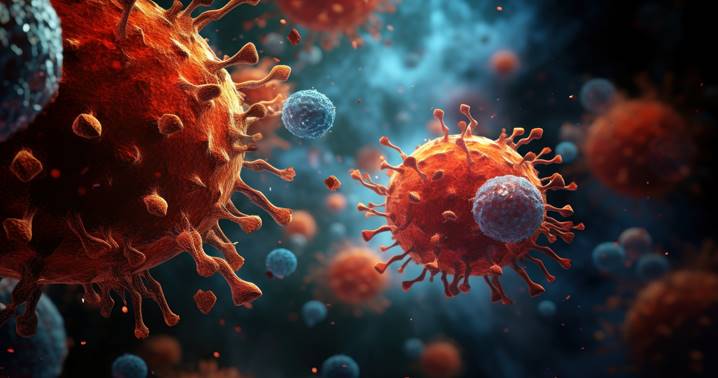
Infectious diseases are caused by the invasion of pathogenic organisms that overcome the body’s natural defense mechanisms. These pathogens enter the body through various routes, including the respiratory tract, gastrointestinal system, skin, mucous membranes, or bloodstream. Once inside, they replicate and trigger immune responses that lead to tissue damage and clinical symptoms.
The Lancet Infectious Diseases journal, led by Murray CJL, highlights that host susceptibility, pathogen virulence, and environmental exposure collectively determine the onset and severity of infectious diseases. Individuals with weakened immune systems, such as older adults, children, pregnant women, and those with chronic illnesses, are particularly vulnerable.
Common Causative Agents of Infectious Diseases
Bacteria
Bacteria are single-celled microorganisms capable of surviving in diverse environments. Some bacteria are harmless or even beneficial, but pathogenic bacteria can cause serious infections such as tuberculosis, pneumonia, typhoid fever, and urinary tract infections. The Journal of the American Medical Association, through studies by Fauci AS, emphasizes that bacterial infections often provoke strong inflammatory responses and may lead to complications if untreated.
Viruses
Viruses are submicroscopic agents that require host cells for replication. Viral infections include influenza, COVID-19, hepatitis, HIV, and dengue. Nature Reviews Microbiology, in studies by Knipe DM, explains that viruses evade immune defenses by rapidly mutating, making prevention and treatment more complex.
Fungi
Fungal infections are caused by yeasts and molds and typically affect the skin, nails, lungs, or bloodstream. Common examples include candidiasis and aspergillosis. The Clinical Infectious Diseases journal reports that invasive fungal infections are increasingly observed among immunocompromised individuals and hospitalised patients.
Parasites
Parasitic infections are caused by protozoa and helminths and are commonly transmitted through contaminated water, food, or insect vectors. Malaria, amoebiasis, and giardiasis are prominent examples. According to WHO-led studies, parasitic infections remain a major public health challenge in tropical and subtropical regions.
Prions
Prions are misfolded proteins that cause rare but fatal neurodegenerative diseases such as Creutzfeldt–Jakob disease. The New England Journal of Medicine notes that prion diseases are unique due to their long incubation periods and lack of effective treatment.
How Infectious Diseases Spread
Infectious diseases spread through multiple transmission pathways. Direct contact involves physical interaction with an infected individual or their bodily fluids. Airborne and droplet transmission occurs when pathogens are expelled through coughing, sneezing, or talking. Food- and water-borne infections arise from consuming contaminated substances, while vector-borne diseases are transmitted by insects such as mosquitoes and ticks. Blood-borne transmission occurs through unsafe injections or transfusions, and zoonotic transmission involves the transfer of infections from animals to humans. The Centers for Disease Control and Prevention emphasizes that understanding transmission routes is essential for effective prevention strategies.
Common Symptoms of Infectious Diseases
Symptoms of infectious diseases vary depending on the causative agent and the organ system involved. General symptoms commonly include fever, fatigue, chills, body aches, and malaise, reflecting the body’s immune response. Respiratory symptoms such as cough, shortness of breath, and sore throat are typical of airborne infections. Gastrointestinal symptoms, including diarrhea, nausea, vomiting, and abdominal pain, are frequently seen in food- and water-borne infections.
Skin and soft tissue infections may present as rashes, redness, swelling, or pus formation, while neurological symptoms such as headache, confusion, seizures, or altered consciousness suggest central nervous system involvement. Severe or life-threatening symptoms include persistent high fever, difficulty breathing, dehydration, organ failure, or sepsis, requiring immediate medical attention.
Types of Infectious Diseases
- Bacterial Infections
- Viral Infections
- Fungal Infections
- Parasitic Infections
- Emerging and Re-Emerging Infectious Diseases (COVID-19)
Diagnosis of Infectious Diseases
Accurate diagnosis is critical for effective treatment and prevention of disease spread. Diagnosis typically begins with clinical evaluation and patient history, followed by laboratory investigations. These may include blood tests, cultures, molecular diagnostics, imaging studies, and rapid antigen or antibody tests. According to CDC guidelines, early and precise diagnosis reduces complications, transmission, and inappropriate antimicrobial use.
Treatment Options for Infectious Diseases
Treatment depends on the type of pathogen and the severity of illness. Bacterial infections are primarily treated with antibiotics, while viral infections may require antiviral drugs or supportive care. Antifungal and antiparasitic medications are used for their respective infections, often for prolonged durations.
The Journal of Infectious Diseases emphasizes that supportive treatments such as hydration, nutrition, oxygen therapy, and fever management are crucial components of care. Hospitalization may be necessary for severe infections, immunocompromised patients, or those with complications. Rational use of antimicrobials is strongly advocated to combat resistance.
Bottom Line
Infectious diseases remain a significant global health challenge despite medical advancements. Understanding their causes, symptoms, types, diagnostic approaches, and treatment options is essential for early detection, effective management, and prevention. Strengthening public health systems, promoting vaccination, improving hygiene, and ensuring responsible antimicrobial use are essential to minimize the the global burden of infectious diseases.
- Written By: Shabina Khan (Clinical Pharmacist)
- Medically Reviewed By: Dr Avinash Singh (PhD, Pharm. Medicine)