

Learn to recognize the early and advanced warning signs of painkiller-induced kidney damage. Explore key symptoms, risk factors, and expert guidance on when to seek medical attention.
Painkillers are among the most frequently used medications worldwide. But, many people are unaware that certain painkillers, especially nonsteroidal anti-inflammatory drugs (NSAIDs) such as ibuprofen, diclofenac, naproxen, and ketoprofen, can impair kidney function. According to the National Kidney Foundation and research published in nephrology journals, kidney damage caused by medications often develops gradually and may remain unnoticed until significant injury has occurred. Recognizing the early warning signs can help prevent irreversible kidney damage and improve long-term health outcomes.
What Is the Kidney?
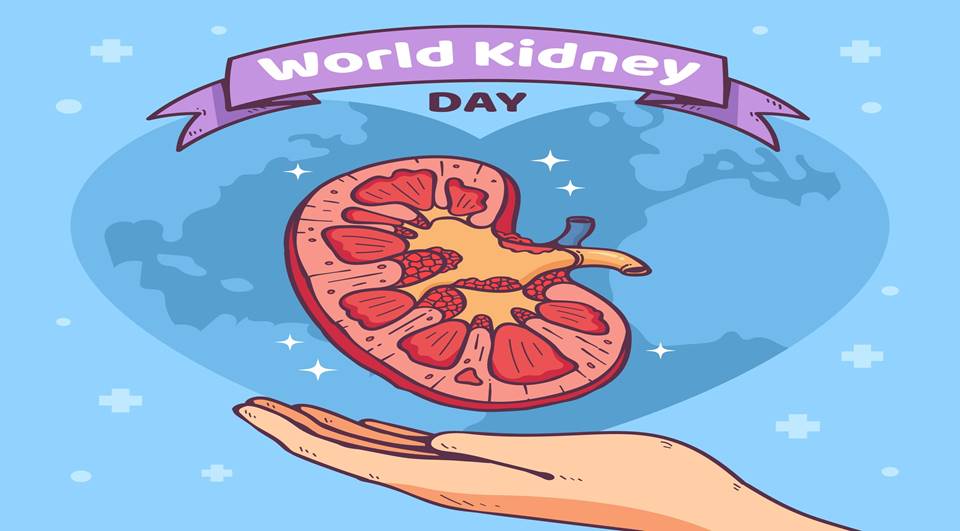
The kidneys are two bean-shaped organs located on either side of the spine just below the rib cage. Although each kidney is only about the size of a fist, together they perform several essential functions that support overall health.
The primary role of the kidneys is to filter waste products and excess fluid from the bloodstream, producing urine that removes these substances from the body. In addition, the kidneys regulate electrolyte balance, maintain healthy blood pressure, support red blood cell production through the hormone erythropoietin, and help activate vitamin D, which is essential for bone health.
According to the National Institute of Diabetes and Digestive and Kidney Diseases (NIDDK), healthy kidneys filter approximately 150 quarts of blood daily and produce about 1 to 2 quarts of urine. Even mild reductions in kidney function can affect multiple body systems, emphasizing the importance of protecting these vital organs.
Why Kidney Health Matters
Kidney health is closely linked to overall well-being. When the kidneys function properly, they maintain the body’s internal balance by removing toxins and regulating fluid levels. However, damaged kidneys cannot efficiently perform these tasks, allowing waste products and excess fluids to accumulate in the body.
The World Health Organization (WHO) recognizes chronic kidney disease (CKD) as a growing global health concern. Research published by Jha et al. in The Lancet highlights that kidney disease affects hundreds of millions of people worldwide and contributes significantly to morbidity and mortality.
Medication-related kidney injury is a preventable cause of kidney dysfunction. NSAIDs can reduce blood flow to the kidneys by inhibiting prostaglandin production, which may compromise renal filtration, particularly in vulnerable individuals such as older adults and those with diabetes, hypertension, or existing kidney disease (Perazella, Clinical Journal of the American Society of Nephrology, 2018).
Because kidney damage often develops silently, recognizing early symptoms is critical.
Signs of Kidney Damage
Kidney damage caused by painkillers can present with subtle symptoms initially and more severe manifestations as the condition progresses. The severity depends on the extent of kidney injury, duration of medication use, underlying health conditions, and individual susceptibility.
Early Symptoms
Fatigue
Persistent fatigue is one of the earliest and most common signs of declining kidney function. Healthy kidneys produce erythropoietin, a hormone that stimulates red blood cell production. When kidney function decreases, erythropoietin levels may fall, leading to anemia and reduced oxygen delivery throughout the body.
Patients often report feeling unusually tired, lacking energy, or experiencing difficulty concentrating. According to studies published in Kidney International, fatigue is frequently among the first symptoms reported by individuals with kidney disease.
Swelling of Legs and Feet
Swelling, medically known as edema, can occur when damaged kidneys are unable to remove excess sodium and fluid efficiently. Fluid may accumulate in the tissues, particularly in the lower extremities, causing swelling of the feet, ankles, and legs.
The National Kidney Foundation notes that persistent swelling should not be ignored, especially when accompanied by other symptoms of kidney dysfunction.
Reduced Urine Output
A noticeable decrease in urine production may indicate impaired kidney filtration. Although urine output can vary based on fluid intake and environmental conditions, a sustained reduction may signal acute kidney injury or worsening kidney function.
Research published in the Kidney Disease: Improving Global Outcomes (KDIGO) Guidelines identifies reduced urine output as one of the hallmark indicators of acute kidney injury.
Advanced Symptoms
As kidney damage progresses, symptoms often become more pronounced and may indicate substantial loss of kidney function.
Persistent Nausea
When the kidneys cannot effectively remove waste products from the bloodstream, toxins accumulate in the body. This condition, known as uremia, may cause persistent nausea, loss of appetite, vomiting, and an unpleasant metallic taste in the mouth.
According to nephrology literature published in The New England Journal of Medicine, gastrointestinal symptoms are common among individuals with moderate to severe kidney impairment.
Shortness of Breath
Shortness of breath may develop due to fluid accumulation in the lungs or anemia associated with chronic kidney disease. Excess fluid can interfere with normal lung function, making breathing difficult, particularly during physical activity or while lying down.
The American Kidney Fund emphasizes that unexplained breathlessness, especially when accompanied by swelling and fatigue, warrants prompt medical evaluation.
Elevated Blood Pressure
The kidneys play a crucial role in regulating blood pressure through fluid balance and hormonal mechanisms. When kidney function declines, blood pressure often rises.
Hypertension can be both a cause and consequence of kidney disease. Studies by Ku et al. in JAMA have demonstrated a strong association between declining kidney function and poorly controlled blood pressure.
Individuals who notice a sudden increase in blood pressure while regularly using painkillers should discuss their medication use with a healthcare professional.
Confusion and Weakness
Advanced kidney dysfunction can lead to significant electrolyte imbalances and toxin accumulation. These changes may affect brain function, resulting in confusion, difficulty concentrating, memory problems, and generalized weakness.
Severe kidney failure may cause altered mental status, requiring urgent medical intervention. The presence of neurological symptoms should never be ignored.
When to Seek Medical Attention
While occasional use of painkillers does not typically cause serious kidney problems in healthy individuals, certain symptoms require immediate medical assessment.
Seek medical attention if you experience:
- Persistent swelling of the legs, ankles, or feet.
- Significant reduction in urine output.
- Unexplained fatigue lasting several weeks.
- Ongoing nausea or vomiting.
- Shortness of breath without an obvious cause.
- Sudden elevation in blood pressure.
- Confusion, dizziness, or unusual weakness.
- Blood in the urine.
- Severe lower back or flank pain.
According to KDIGO guidelines, early detection and treatment of kidney injury significantly improve outcomes and may prevent progression to chronic kidney disease or kidney failure.
Healthcare providers may perform blood tests measuring serum creatinine and estimated glomerular filtration rate (eGFR), along with urine analysis, to evaluate kidney function. These tests can identify kidney damage even before symptoms become severe.
Protecting Your Kidneys While Using Painkillers
Experts recommend using painkillers only as directed and avoiding unnecessary long-term use. Individuals with diabetes, hypertension, heart disease, chronic kidney disease, or advanced age should be particularly cautious with NSAIDs.
Staying well hydrated, following dosing instructions, avoiding simultaneous use of multiple NSAIDs, and discussing medication choices with healthcare providers can help reduce the risk of kidney injury.
Regular monitoring of kidney function may be advisable for people who require long-term pain management.
Key Takeaway
Painkillers can provide valuable relief, but they are not entirely risk-free. Experts revealed that excessive or prolonged use of certain pain medications particularly NSAIDs can adversely affect kidney health.
Early warning signs such as fatigue, swelling of the legs and feet, and reduced urine output may signal developing kidney damage. More advanced symptoms, including persistent nausea, shortness of breath, elevated blood pressure, confusion, and weakness, require prompt medical evaluation.
Recognizing these symptoms early and seeking timely medical care can help protect kidney function, prevent long-term complications, and support overall health. Responsible medication use and regular health monitoring remain the most effective strategies for safeguarding your kidneys.
References
- Perazella MA. Drug-Induced Acute Kidney Injury. Clinical Journal of the American Society of Nephrology. 2018.
- KDIGO Clinical Practice Guideline for Acute Kidney Injury. Kidney International Supplements. 2012.
- National Kidney Foundation. Pain Medicines and Kidney Disease.
- National Institute of Diabetes and Digestive and Kidney Diseases (NIDDK). Kidney Disease Overview.
- Jha V et al. Chronic Kidney Disease: Global Dimension and Perspectives. The Lancet. 2013.
- Ku E et al. Hypertension and Kidney Disease Progression. JAMA.
- Kidney International. Clinical Features of Chronic Kidney Disease.
- World Health Organization. Chronic Kidney Disease and Noncommunicable Diseases Resources.